Behind the Bionic Bear:
How a School Project Became a Community STEM Workshop
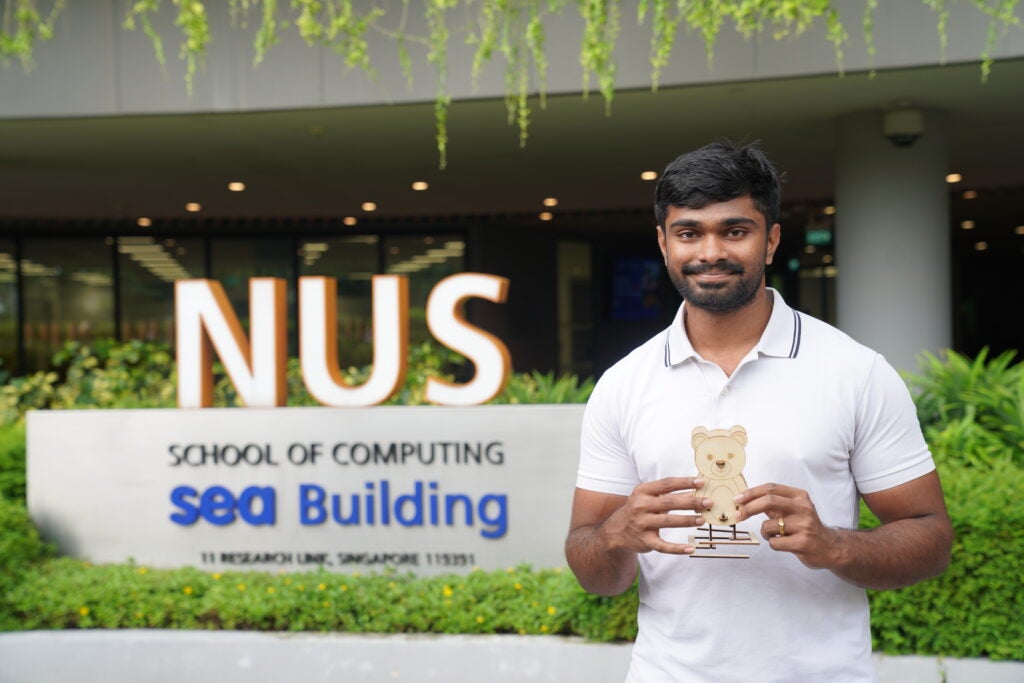
In 2019, Mathan Chidambaranathan had a problem. As president of the Engineering Interest Group (EIG) at the NUS High School of Math and Science, he had $500, two months, and a room full of Primary 5 students expecting something more exciting than a noise maker.
So he built a bear.
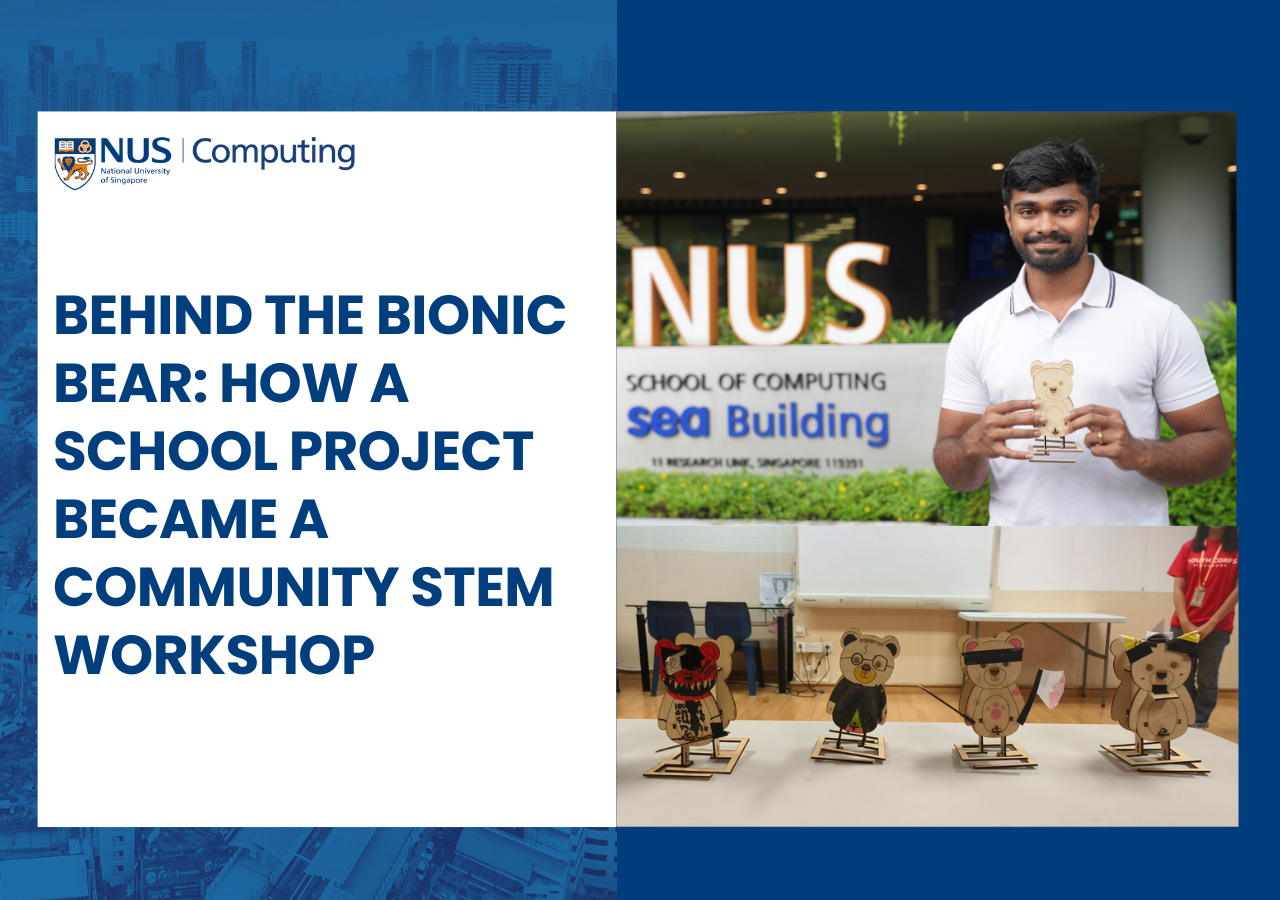
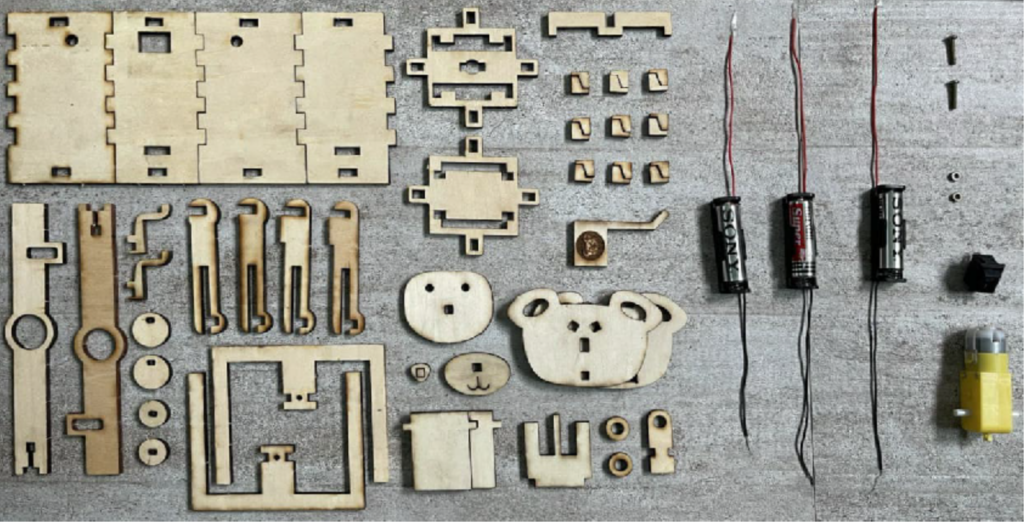
Inspired by the simple mechanics of a wind-up walking toy, Mathan designed a laser-cut wooden bear powered by a 3V motor, batteries, and a switch. The idea was straightforward: give young students a project where they could wire real circuits, assemble real parts, and walk away with something that actually moved.
The first workshop didn’t go entirely to plan. Tight tolerances and inconsistent plywood thicknesses meant many students couldn’t finish their bears in time. But Mathan ran a second session before graduating from NUS High, refining the design – and the results were markedly better.
That could have been the end of it. Instead, it was just the beginning.
Six years and counting
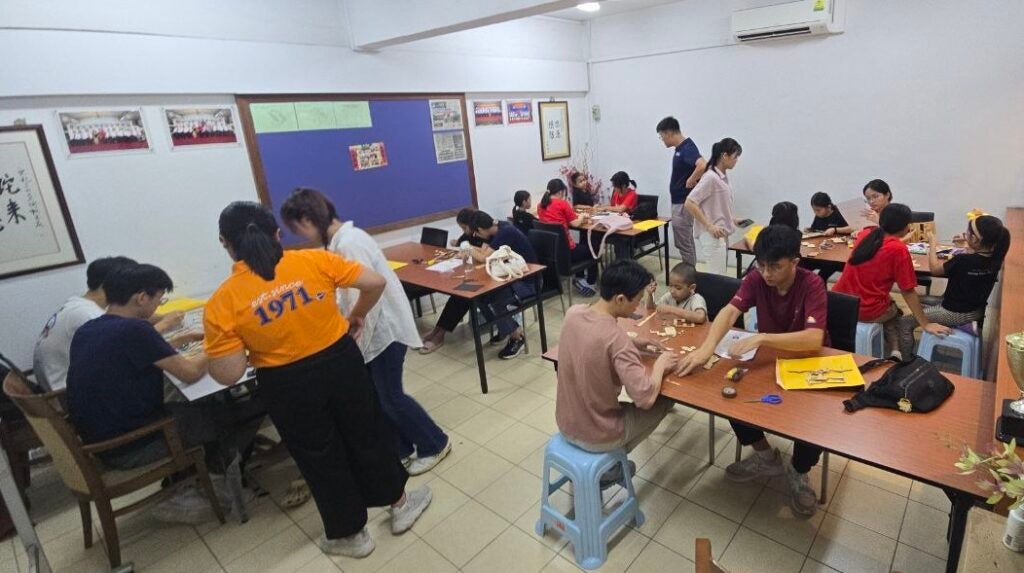
with Boon Lay Youth Network
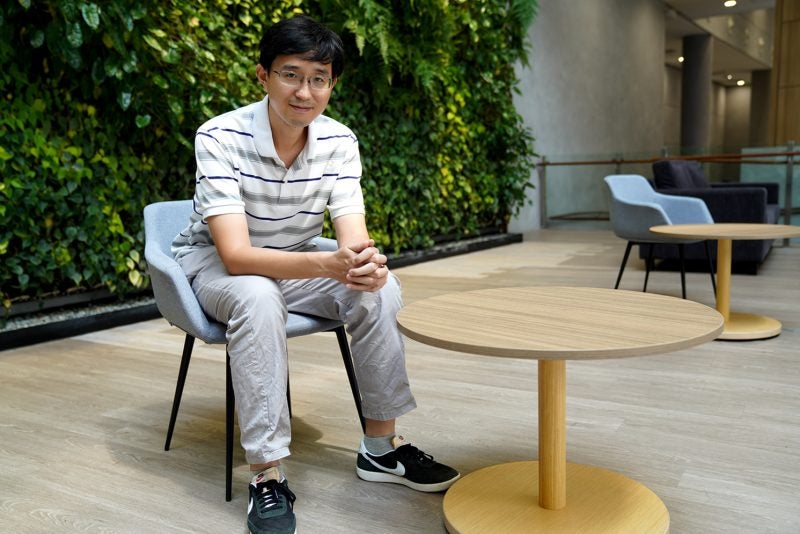
Since those early sessions, the Bionic Bear Workshop has taken on a life well beyond its origins. Now a final-year Computer Science student at NUS School of Computing, Mathan has partnered with Nee Soon Youth Network and Boon Lay Youth Network to bring the workshop to community centres. He’s run it as a family bonding event for a company through Engineering Good, and at Jurong West Primary School as a fundraiser for a tuition programme.
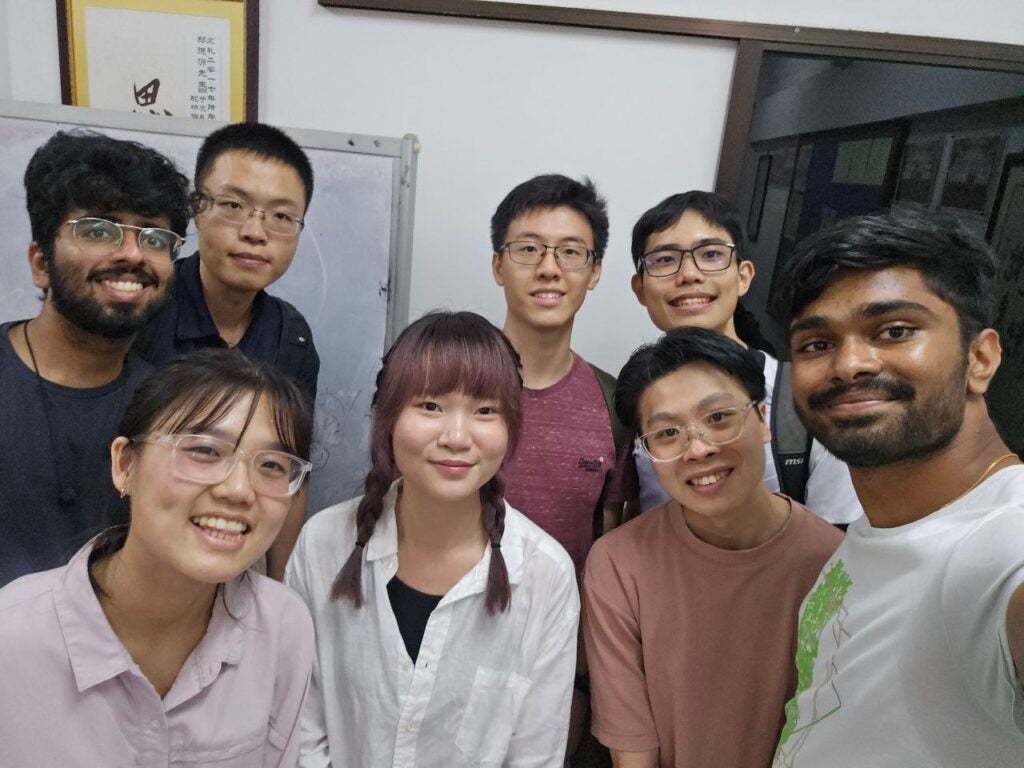
When COVID-19 made classroom sessions impossible, Mathan didn’t pause; he adapted. He mailed out kits, simplified the design from over 50 parts down to 20, and ran the workshop over Zoom with volunteers guiding students through breakout rooms. That streamlined design stuck, and has been used in every workshop since.
More than a toy
At its core, the Bionic Bear Workshop addresses something that often gets lost in early STEM education: the chance to do.
For Mathan, many primary education systems lean heavily on theory – and this project is his way of offering something different. An experiential, hands-on opportunity that encourages curiosity while laying a foundation in science and engineering.
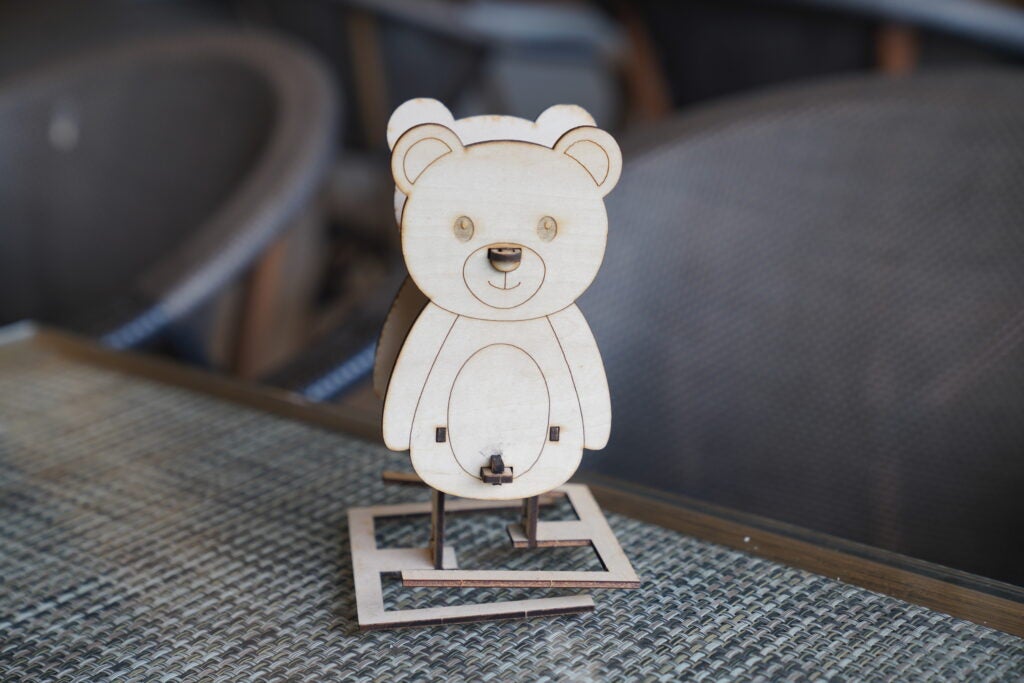
The workshop targets Primary 4 to 6 students, runs at a 5:1 student-to-facilitator ratio, and every child keeps their completed bear. It’s a deliberate setup – small groups, tangible outcomes, real circuits.
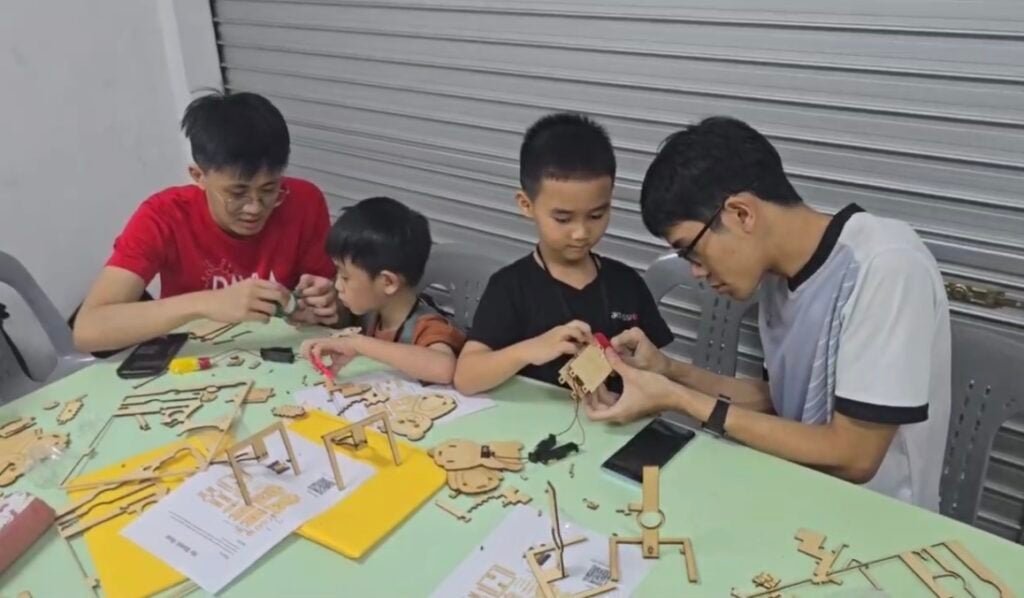
The moment that stays with you
Ask Mathan why he keeps doing this, and he’ll tell you about a parent who came to find him after a session – not to ask a question, but simply to say thank you.
“She was genuinely grateful that such workshops exist for her son to take part in,” he recalls. “Seeing that, and the joy in the students’ faces after they successfully manage to build the bears – it’s a truly satisfying experience.”
Each set takes about 20 minutes to laser cut. Multiply that across dozens of kits per workshop, and the preparation alone is a labour of commitment. But for Mathan, the payoff is watching a child flip a switch and see something they built with their own hands come to life.
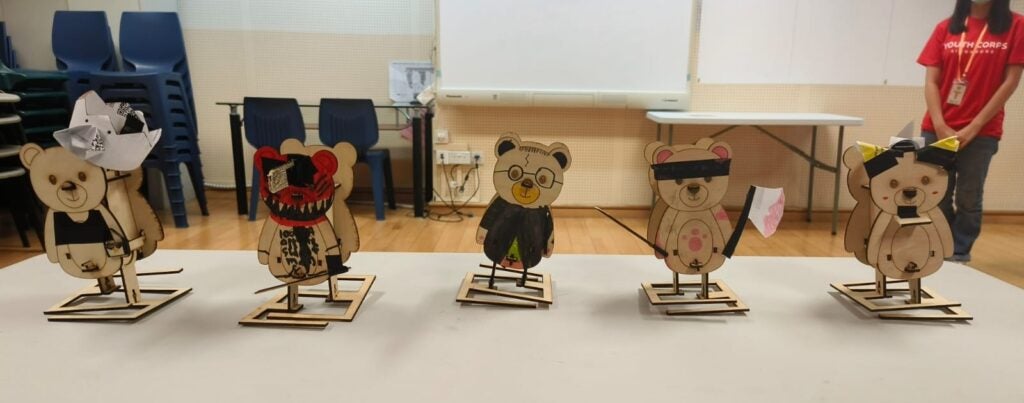
What’s next
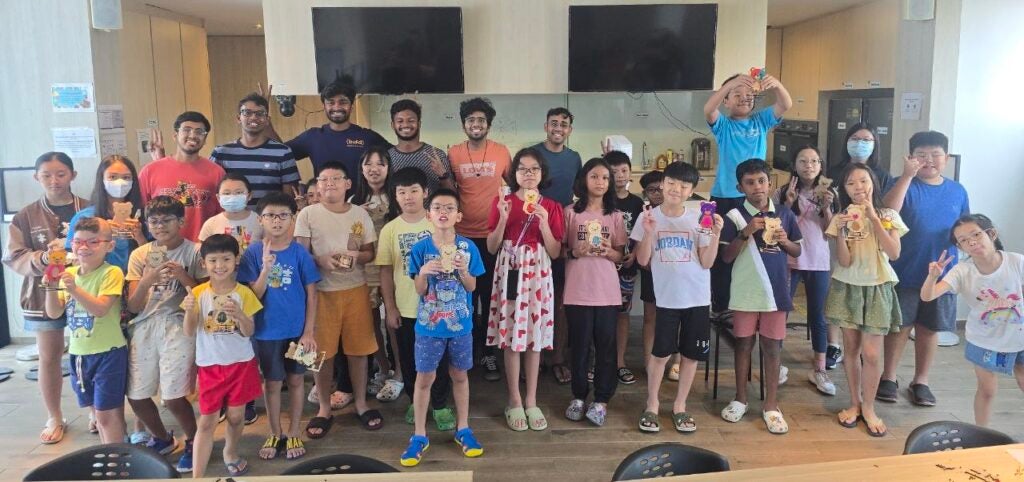
held at Nee Soon Community Centre
Mathan has no plans to stop. With support from the School’s Centre for Computing for Social Good and Philanthropy, he aims to continue offering the sessions at subsidised rates through community centres, and hopes to partner directly with primary schools to run sessions during the March, June, and September holidays and as post-exam activities.
It’s a simple model, really: plywood, a motor, a bit of patience, and someone willing to show up. Six years on, the bears keep walking.