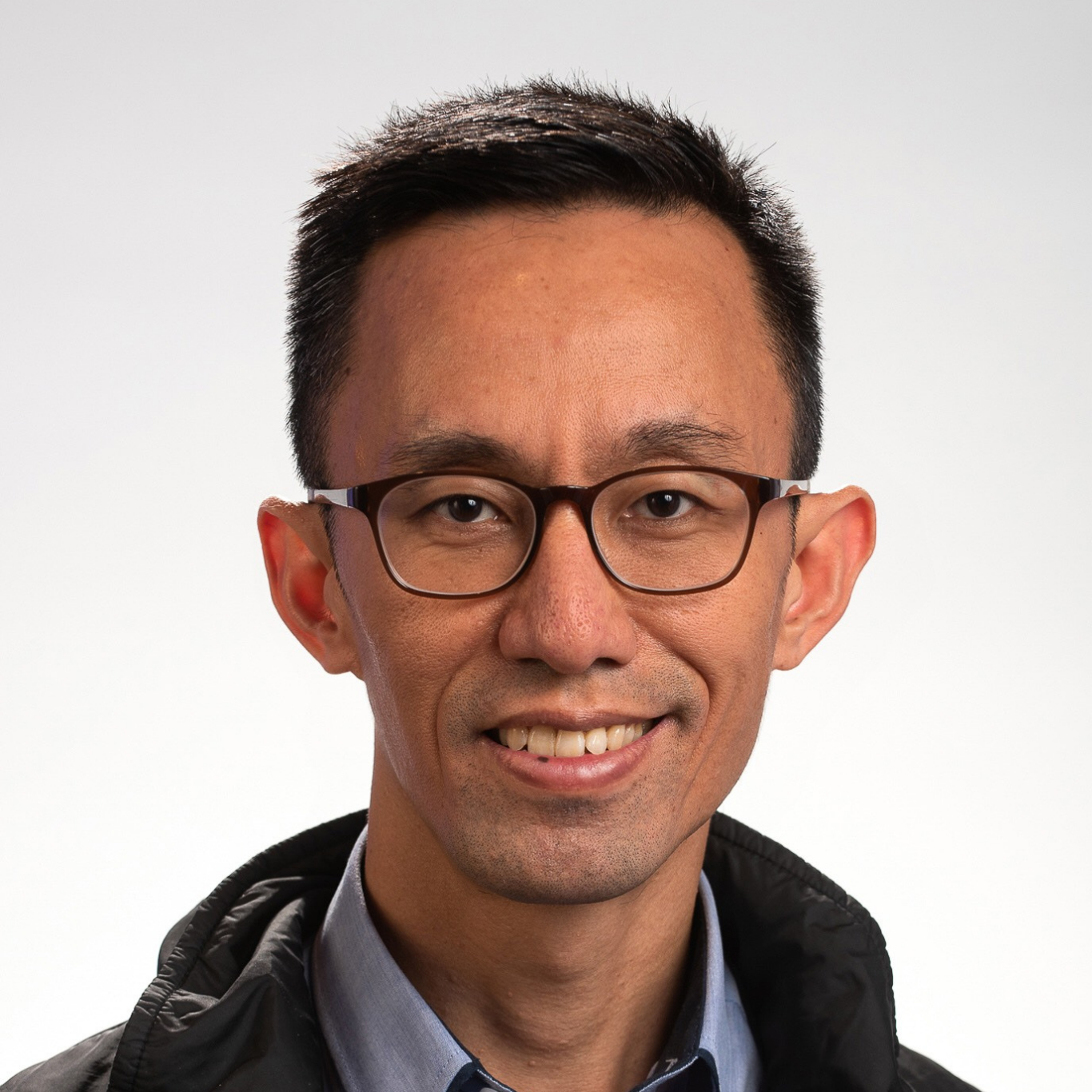
Mr Vincent Loy
PIAC Chairperson
Chief Technology Officer & Asst Managing Director
Monetary Authority of Singapore
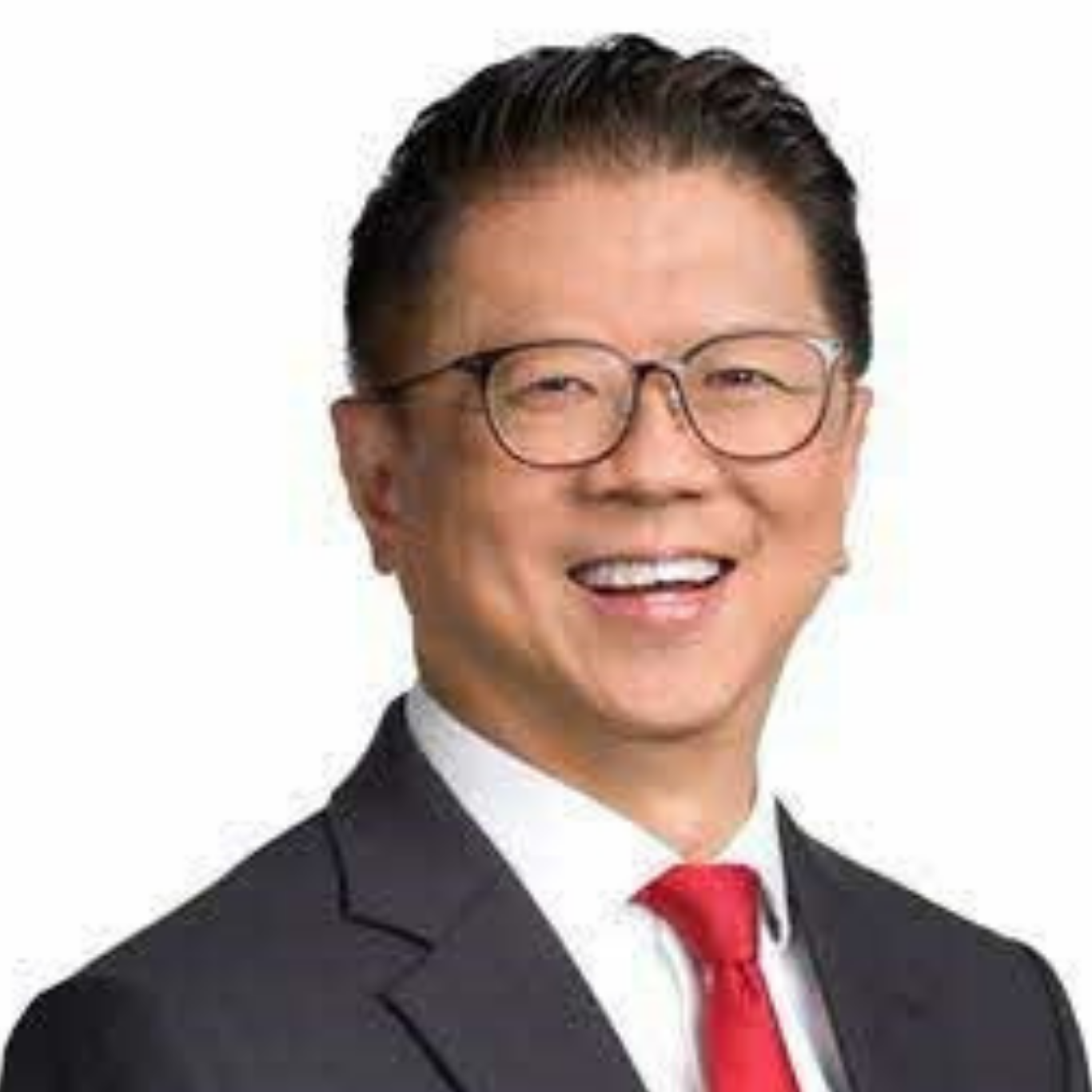
Mr Lim Him Chuan
Singapore Country Head & Group Executive
DBS Singapore
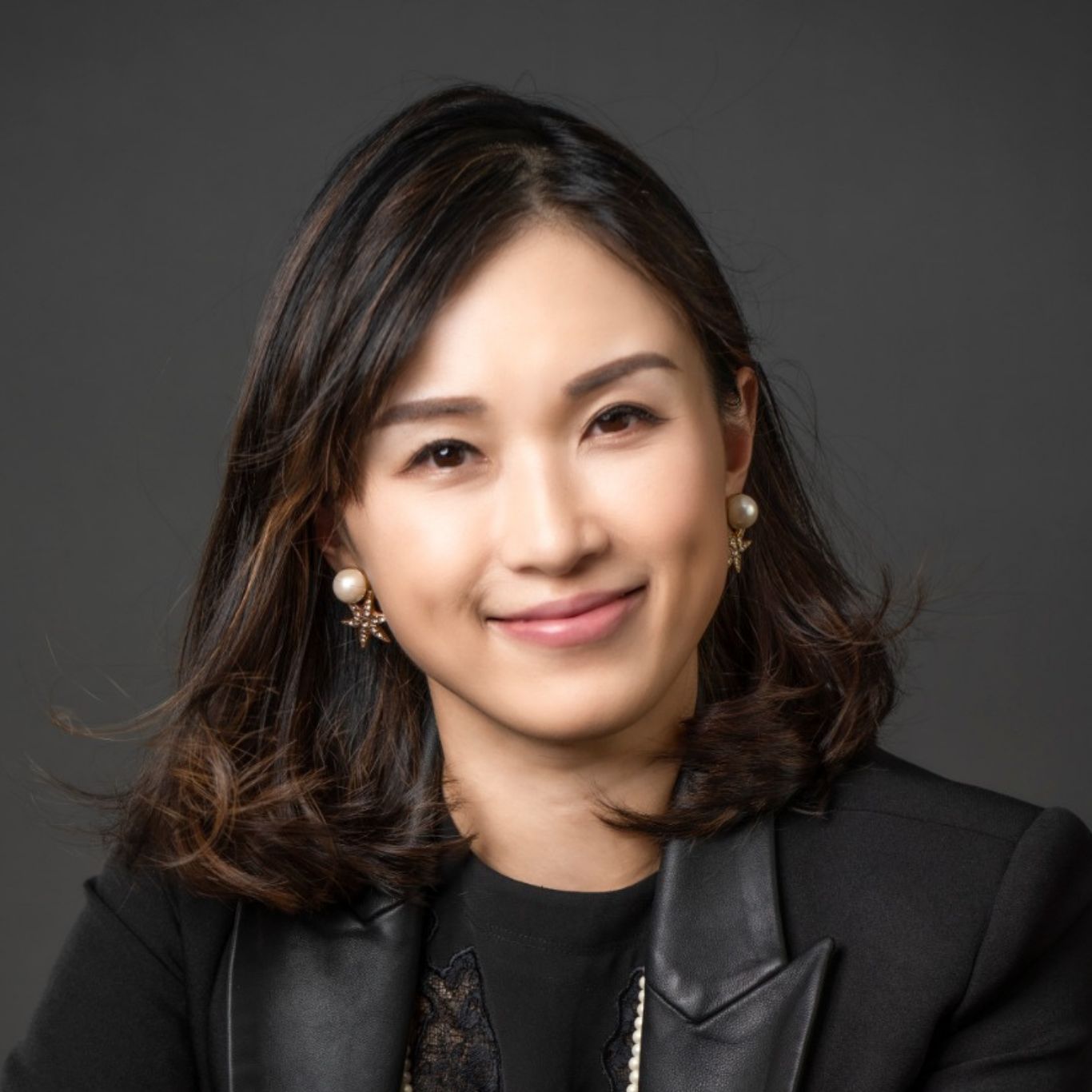
Ms Carrie Suen
Vice President, Head of Global Affairs and Strategic Development
Ant International
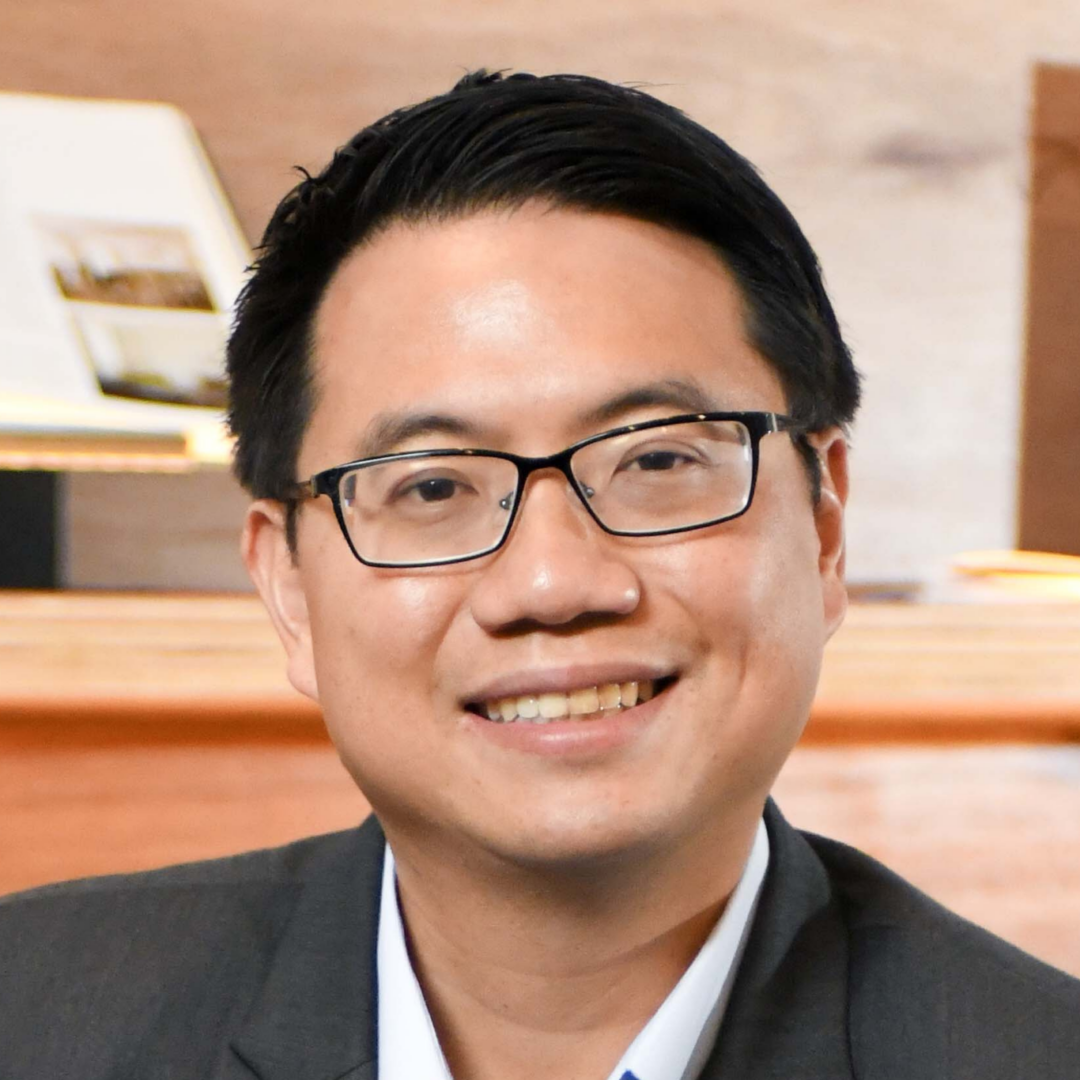
Mr Arthur Mak
Co-Founder, Chairman, Chief Product and Technology Officer
You Technologies Group Limited
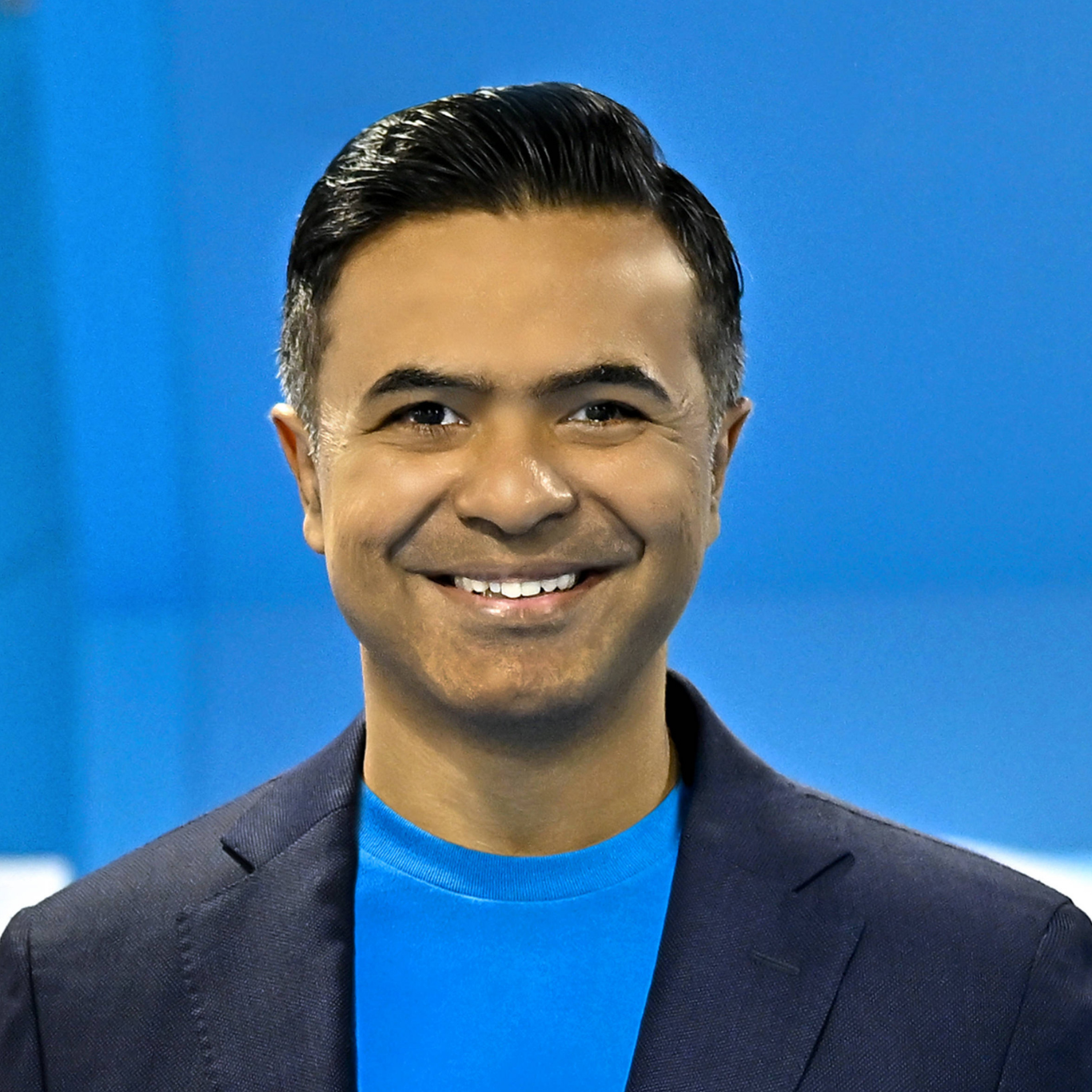
Mr Dwaipayan Sadhu
Chief Executive Officer
Trust Bank Singapore
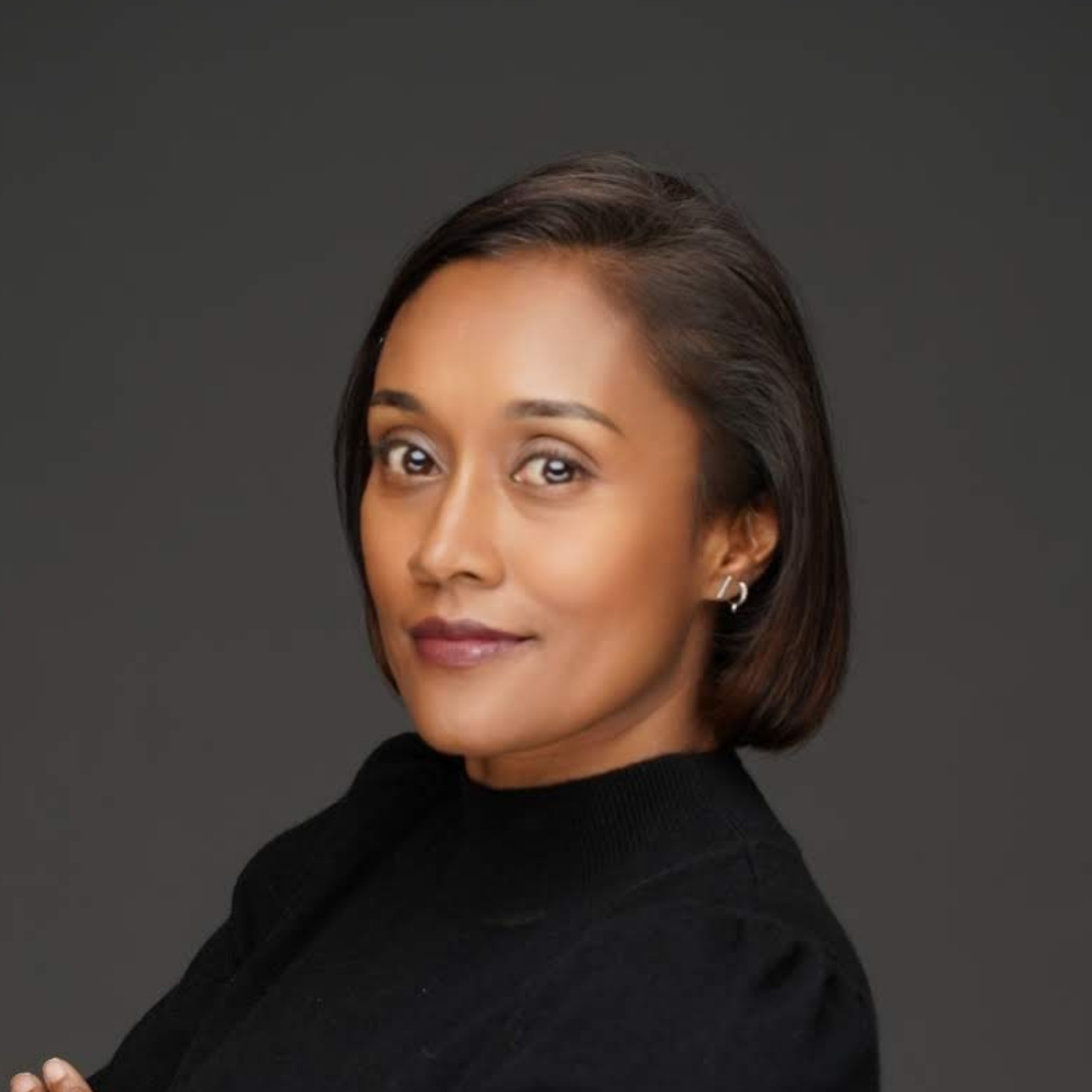
Ms Sarita Singh
Regional Lead & Managing Director Southeast Asia, South Korea, Greater China
Stripe
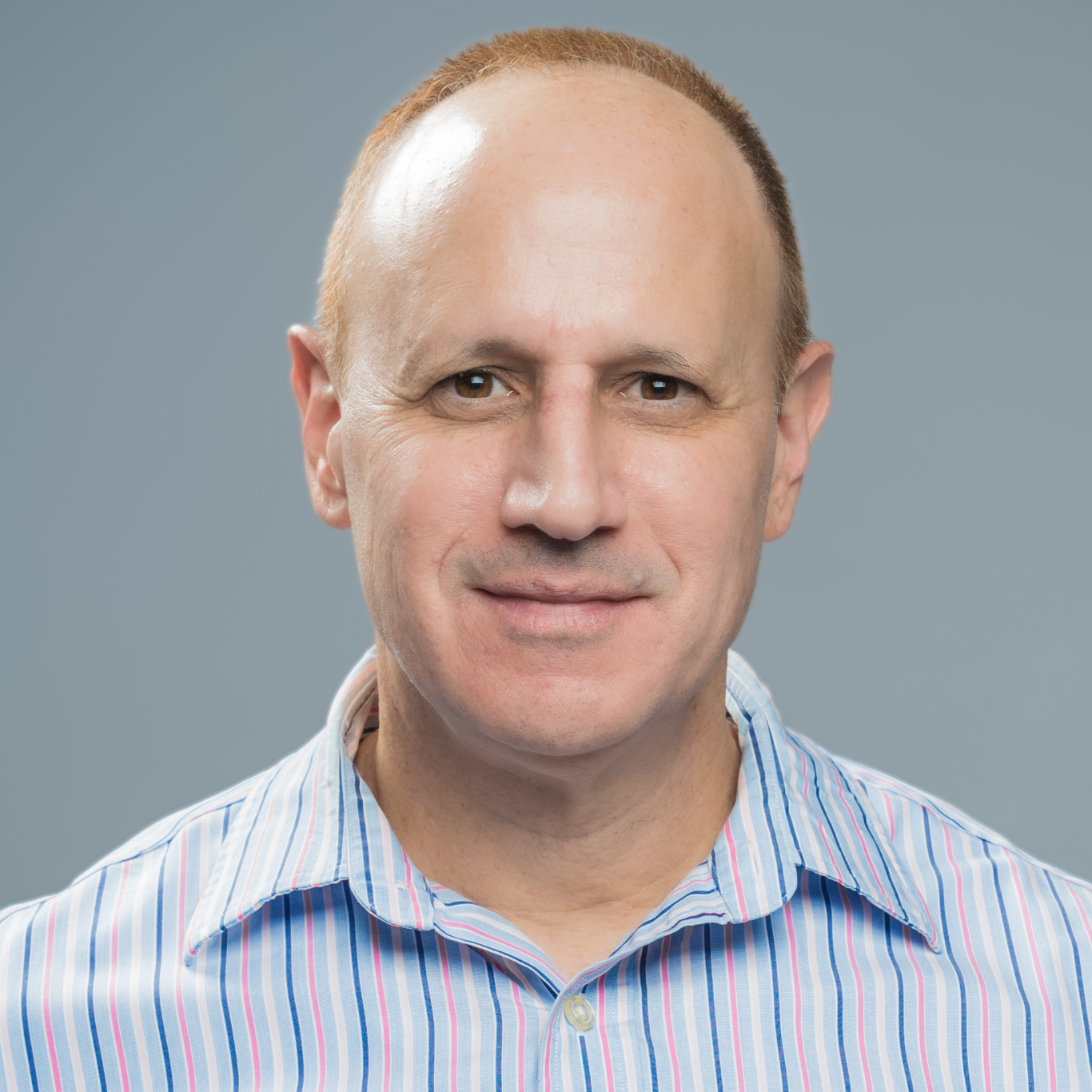
Mr David Allan Katz
Vice President for Strategy and Public Policy, Asia Pacific
Circle
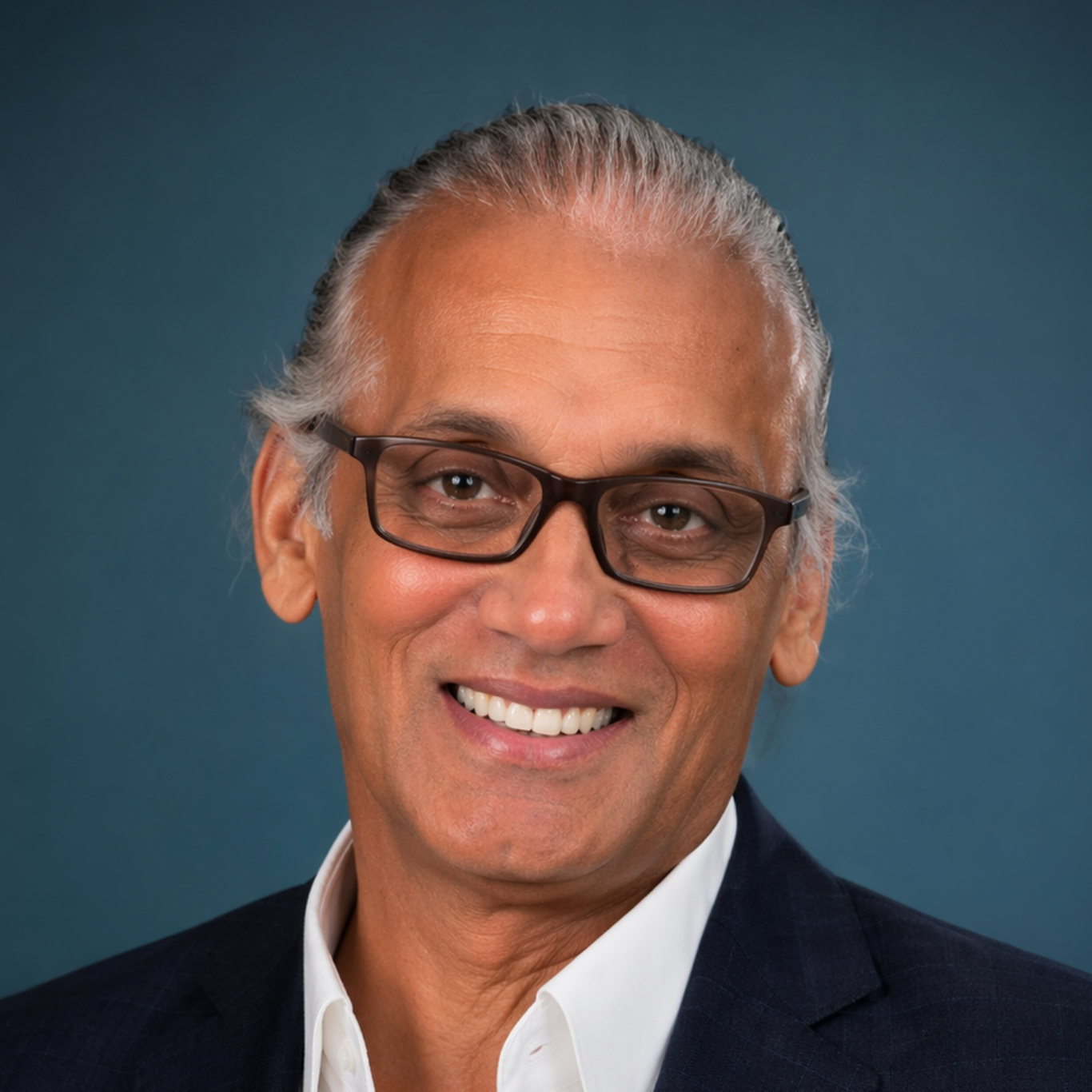
Professor Ram Gopal
Professor of Information Systems Management and Analytics Academic Director of the Gillmore Centre for Financial Technology
Warwick Business School
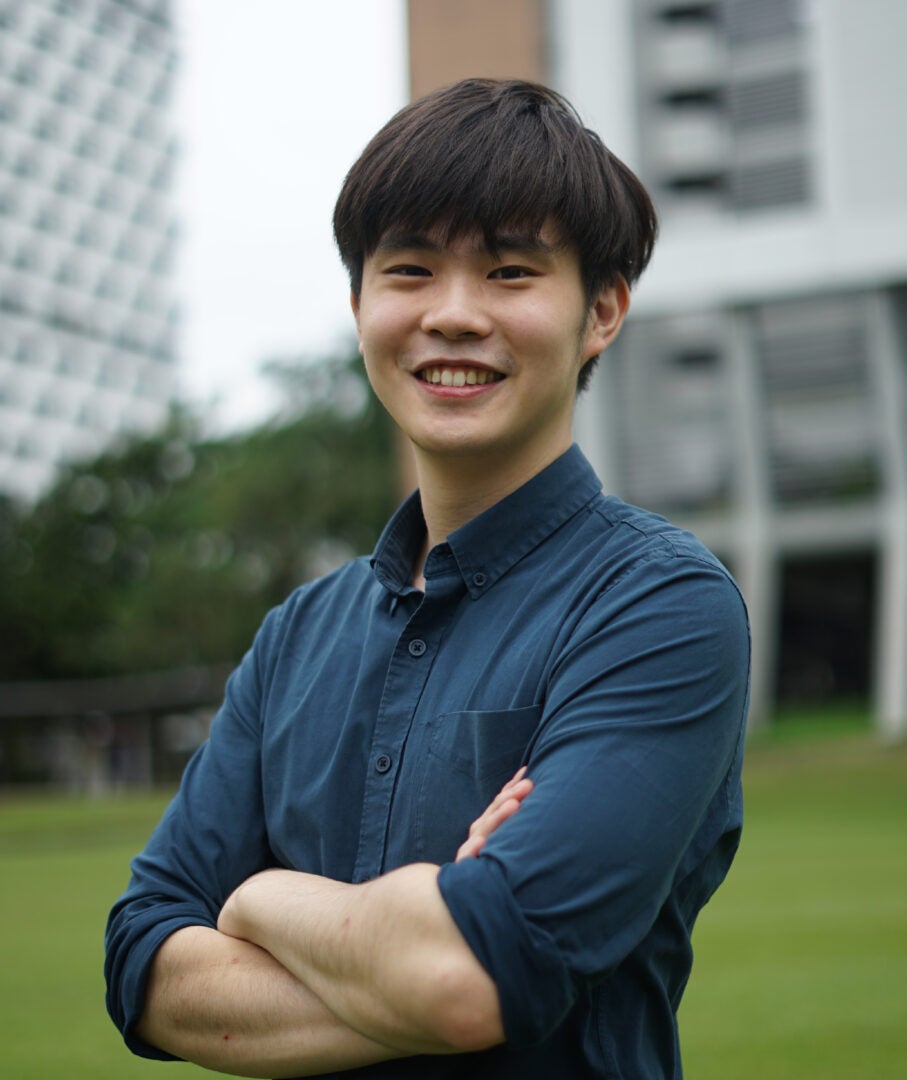
I applied to this programme to build domain expertise in financial markets and explore how AI is applied within finance.
NUS gave me exactly the foundation I needed, equipping me with a strong understanding of financial markets and how technology is reshaping the way finance operates and turning me into a well-rounded data scientist. Through this programme, I definitely achieved my goal of developing genuine domain expertise in finance.
NUS gave me exactly the foundation I needed, equipping me with a strong understanding of financial markets and how technology is reshaping the way finance operates and turning me into a well-rounded data scientist. Through this programme, I definitely achieved my goal of developing genuine domain expertise in finance.

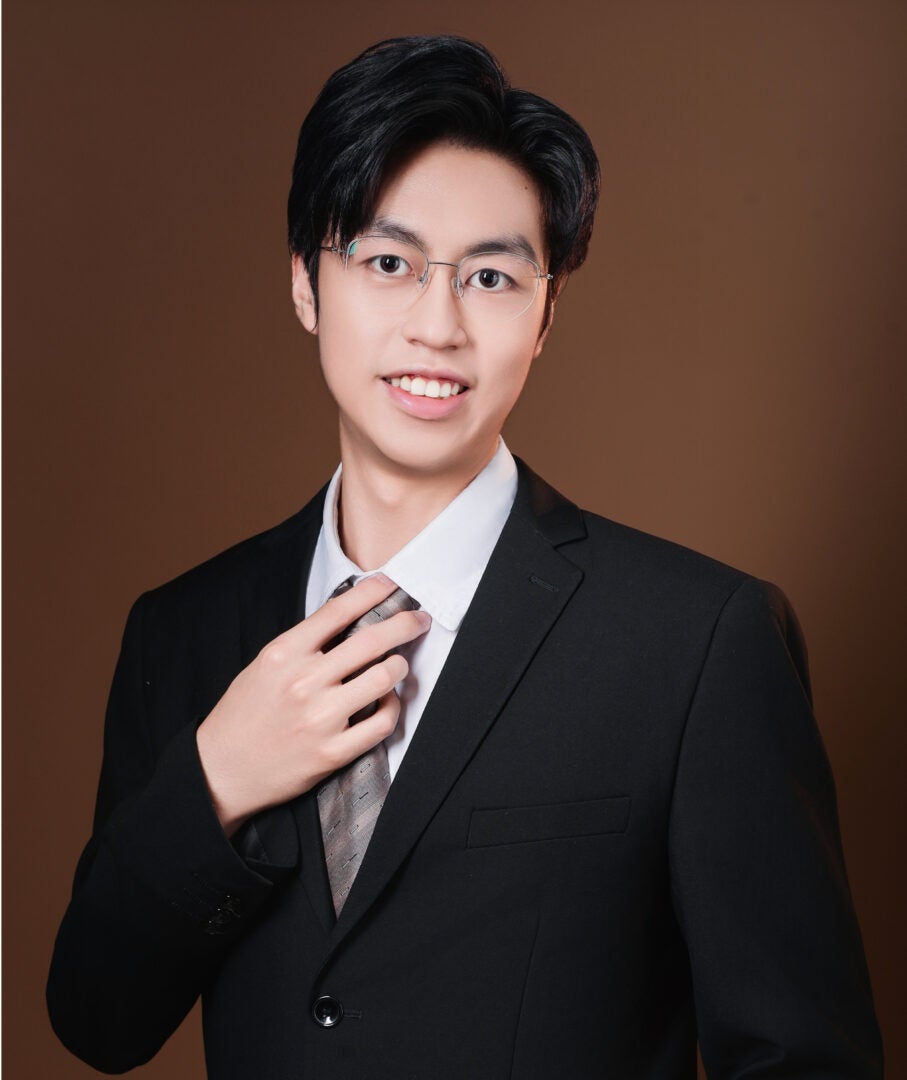
The programme has had a significant impact on both my career development and personal growth. It helped me gain the knowledge and confidence needed to secure a full-time AI Engineer internship, and later receive a return offer in the quantitative finance industry.
My work now focuses on building scalable AI systems for systematic investment strategies. Without the support and knowledge gained from this programme, I would not have been able to develop such deep insights into blockchain, AI, and quantitative finance, or take this important step in my career.
My work now focuses on building scalable AI systems for systematic investment strategies. Without the support and knowledge gained from this programme, I would not have been able to develop such deep insights into blockchain, AI, and quantitative finance, or take this important step in my career.
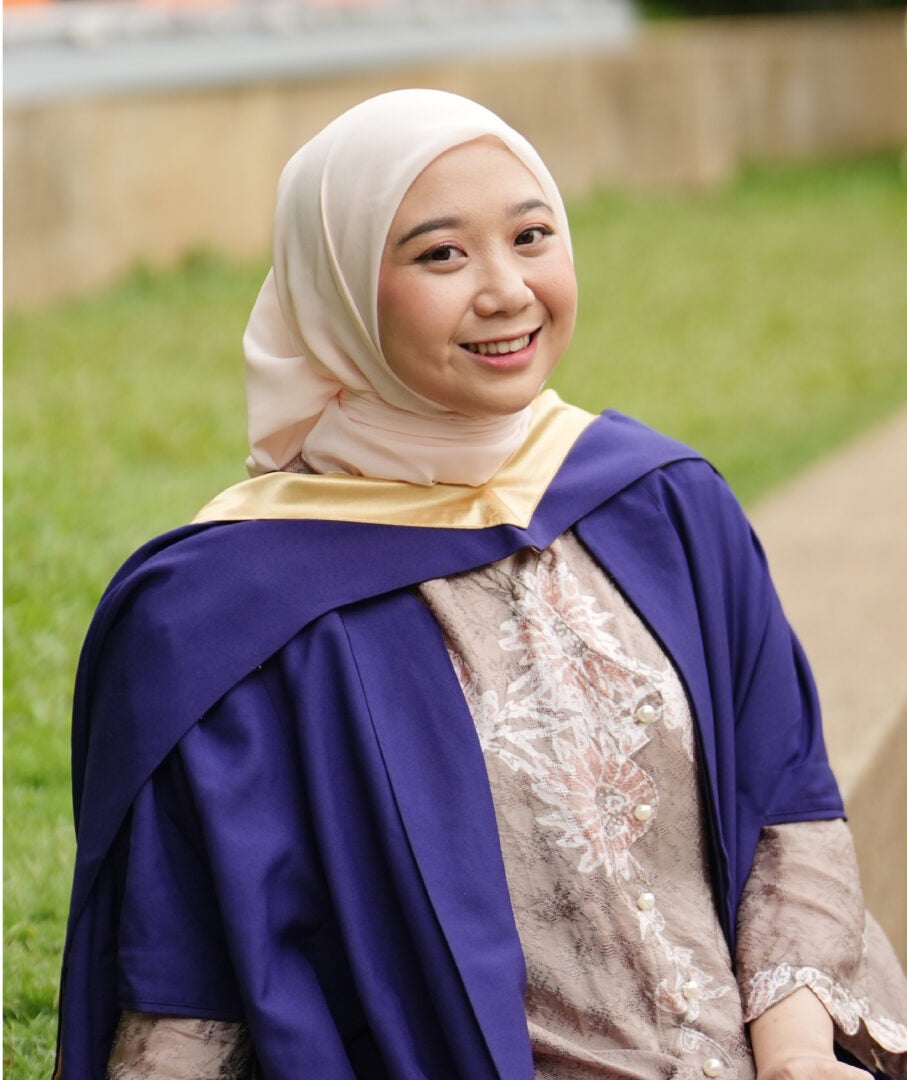
I sought a programme that would give me the advanced financial, technological, and strategic frameworks necessary to bridge this gap and design safer, more ethical financial ecosystems.
The programme has successfully transformed this purpose into actionable capability. Collaborating with a diverse global cohort has sharpened my strategic vision, equipping me with the technical authority and leadership mindset required to actively shape policies that protect communities.
The programme has been a major turning point for my skill development, equipping me with a strong technical foundation in data frameworks and system architecture from scratch.
The programme has successfully transformed this purpose into actionable capability. Collaborating with a diverse global cohort has sharpened my strategic vision, equipping me with the technical authority and leadership mindset required to actively shape policies that protect communities.
The programme has been a major turning point for my skill development, equipping me with a strong technical foundation in data frameworks and system architecture from scratch.