One Call at a Time: How Two NUS Computing Students Are Making Phone Calls Accessible for the Deaf and Hard-of-Hearing Community
For many deaf and hard-of-hearing people, something as routine as a phone call can mean dependence on others. Wayne and Randall could not ignore that.
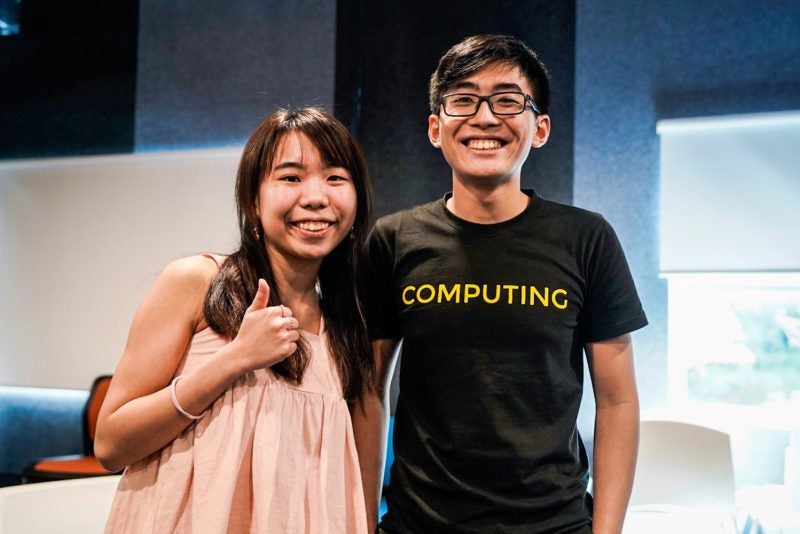
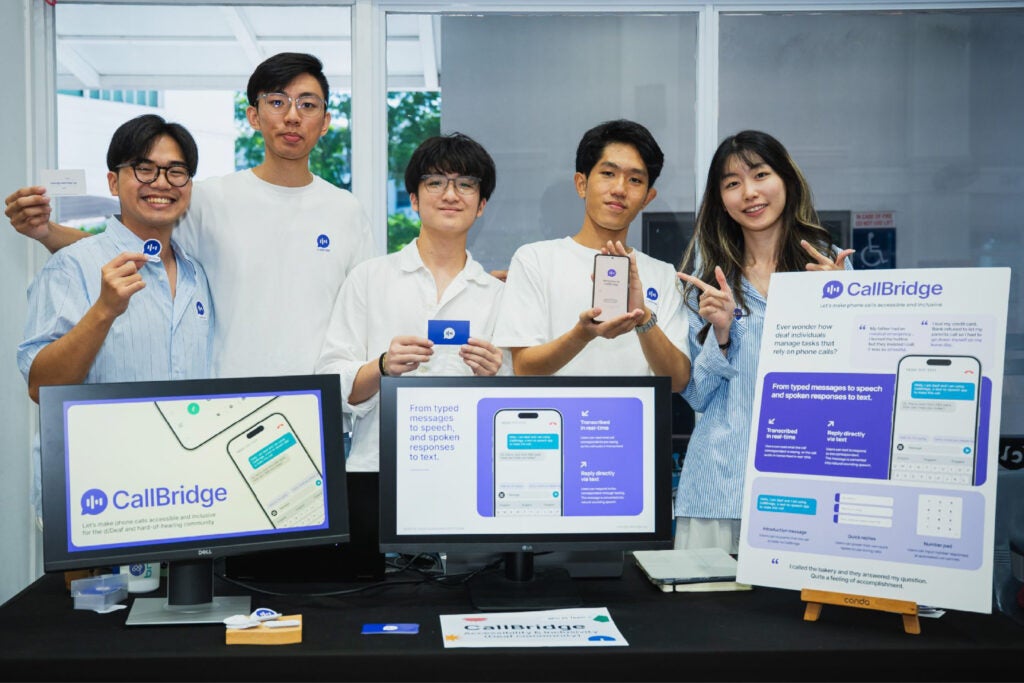
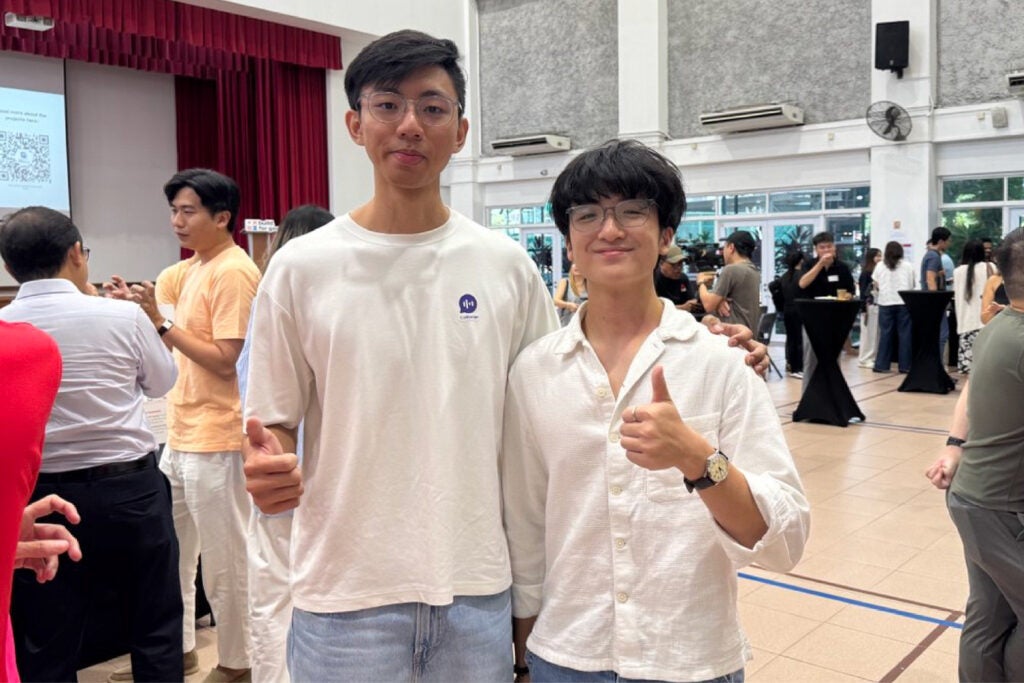
Both Year 2 Computer Science students at the NUS School of Computing, Wayne and Randall are the co-founders of CallBridge, an accessibility-focused app designed to help deaf and hard-of-hearing users make and receive phone calls independently. What started as a hackathon project has since grown into a real-world tool, shaped closely by the community it serves.
Finding Purpose in Computing
For Randall, computing felt like a way to do something meaningful.
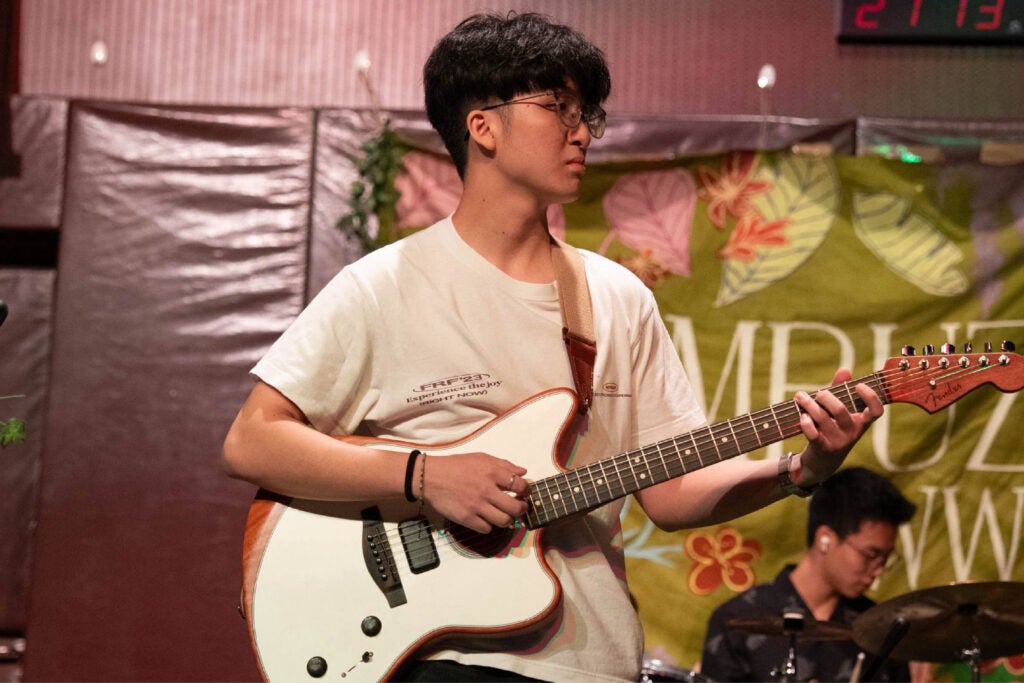
“I wanted to learn how to harness technology for some positive impact in the world, no matter how big or small,” he says. Outside of school, he plays the guitar and frisbee, but his motivation for studying Computer Science has always been about usefulness.

Wayne shares a similar outlook, but from a builder’s perspective.
“Computing gives me the tools to turn ideas into real systems that can solve problems at scale,” he says. “I enjoy building applications and experimenting with how technology can improve everyday experiences.”
What drew him to NUS was the balance between theory and practice. “You get strong fundamentals, but you are also encouraged to apply them. That combination really mattered to me.”
How CallBridge Began
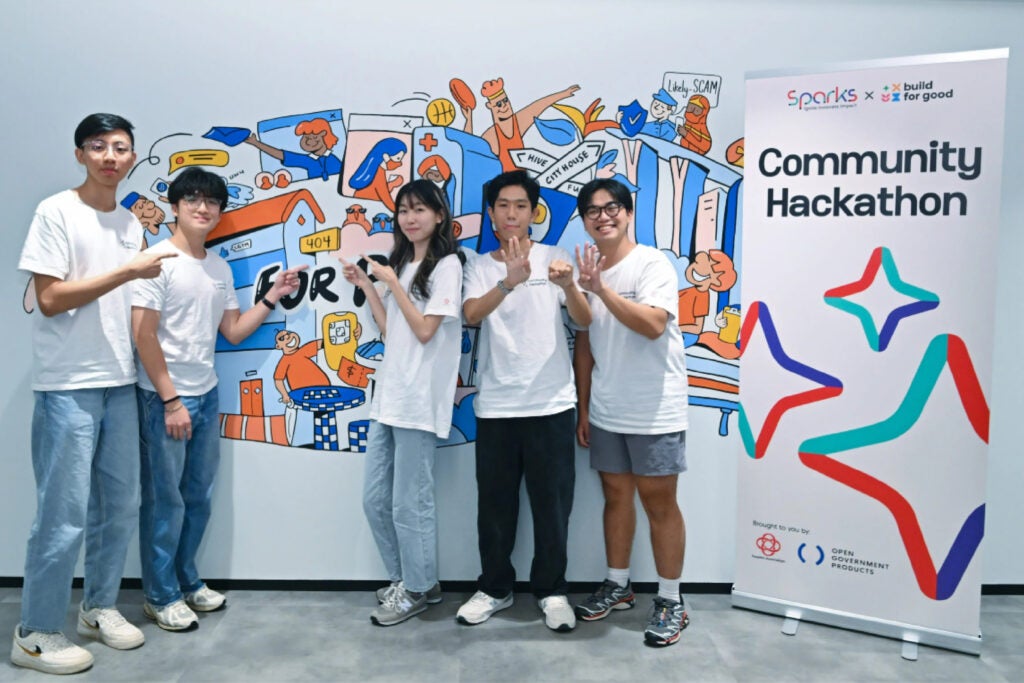
CallBridge took shape during the month-long Sparks x Build for Good Community Hackathon, organised by the People’s Association and Open Government Products. Wayne and Randall signed up together out of curiosity and a shared interest in using technology for social good.
At the start, they did not have a specific problem in mind. Through repeated ideation sessions, research, and conversations with their teammates, a recurring issue began to surface: deaf and hard-of-hearing individuals faced serious barriers when accessing essential services that relied on phone calls – from banks and hospitals to government hotlines.
Before the hackathon, their understanding of the problem was limited. They knew that many deaf users relied on workarounds like asking family or friends to make calls, engaging interpreters, visiting offices in person, or sending emails. What they had not fully grasped was how stressful, slow, and limiting these alternatives could be, especially in urgent or time-sensitive situations.
Listening First
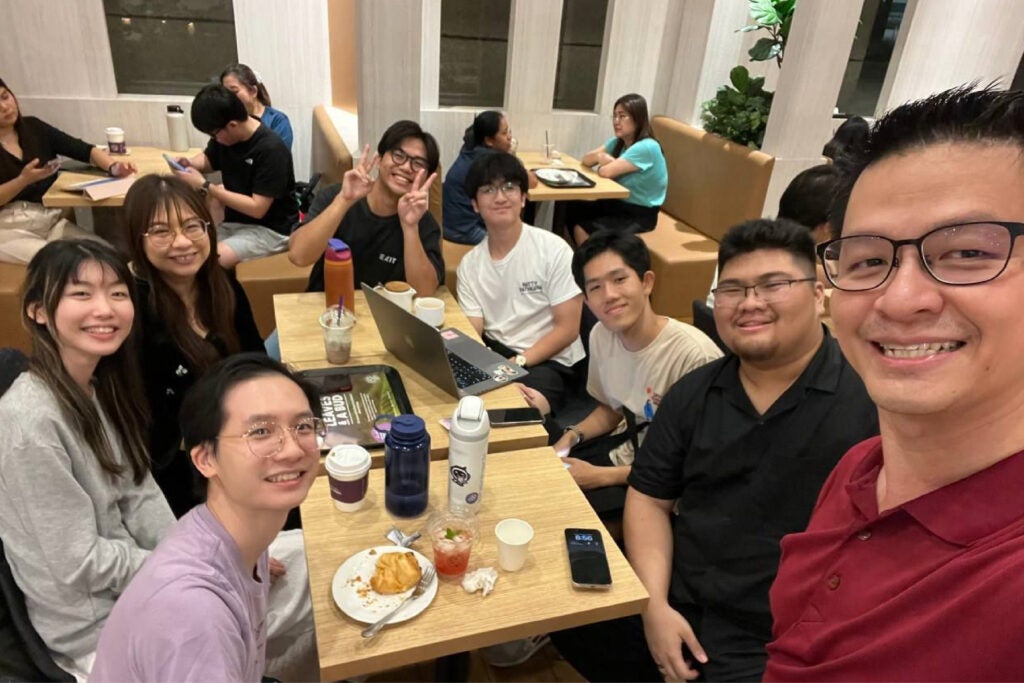
The turning point came when they attended a monthly deaf hangout, where deaf and hard-of-hearing individuals gathered informally at a café.
“One person told us about trying to contact essential services when his father collapsed,” Randall recalls. “He could not make the call himself and had to rely on someone else. That was incredibly stressful for him.”
Others shared frustrations about receiving calls from banks or government agencies that did not realise they were deaf – calls they could not answer, and follow-ups they often missed.
“That was when we knew this was a real problem,” they say. “Not just inconvenient, but something that affected people’s independence.”
Designing with Users in Mind
Those conversations fundamentally changed how Wayne and Randall approached design and engineering. Instead of building based on assumptions, they prioritised listening, trust, and openness. Major design decisions were discussed with users, and features were evaluated based on whether they genuinely reduced friction.
They also learned to resist feature creep. With guidance from their mentor, the team focused on building what mattered most, rather than adding complexity that did not improve the user experience.
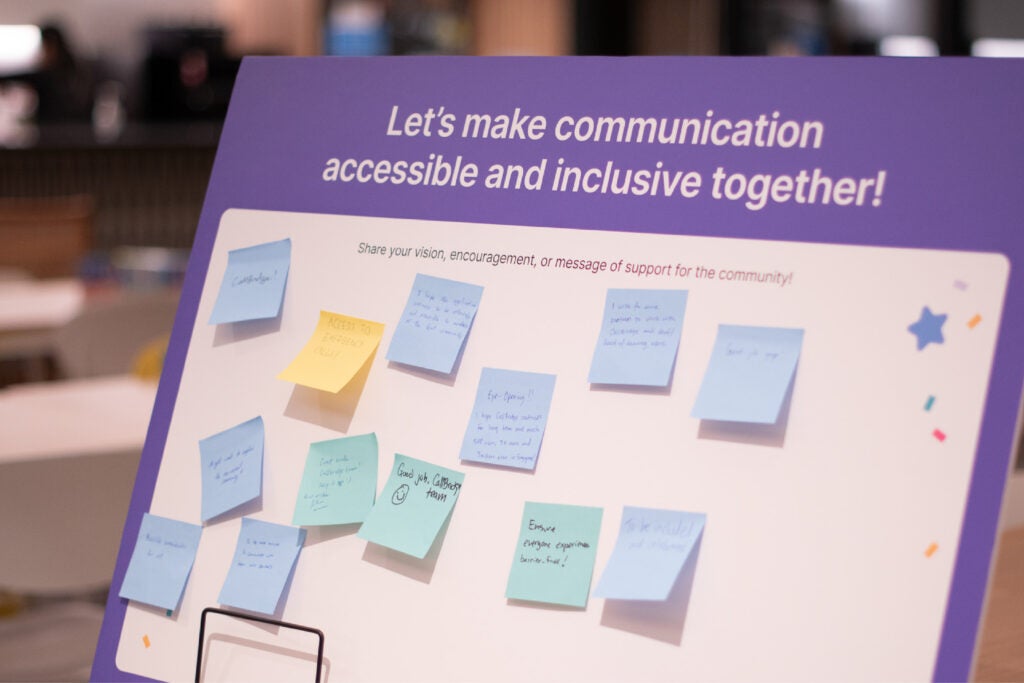
One of the hardest challenges was designing a system that worked smoothly in real time for users who communicate visually.
“There were a lot of latency issues to deal with,” they explain. “But even small things mattered. When users were typing, the other person on the call would sometimes hear silence and assume the call had dropped.”
To address this, the team introduced subtle typing sounds during pauses, signalling that the caller was still present. They also worked on voice quality, using a more natural, Singaporean-sounding AI voice to make conversations feel familiar rather than robotic. These changes were tested and refined through pilot runs with partner hotlines, including the People’s Association.
Wayne points to one detail he is particularly proud of.
“We added message indicators, like single and double ticks,” he explains. “So users know when their message has been sent and when it has finished playing. Most people probably do not notice it, but it helps users feel more confident.”
A Team Effort
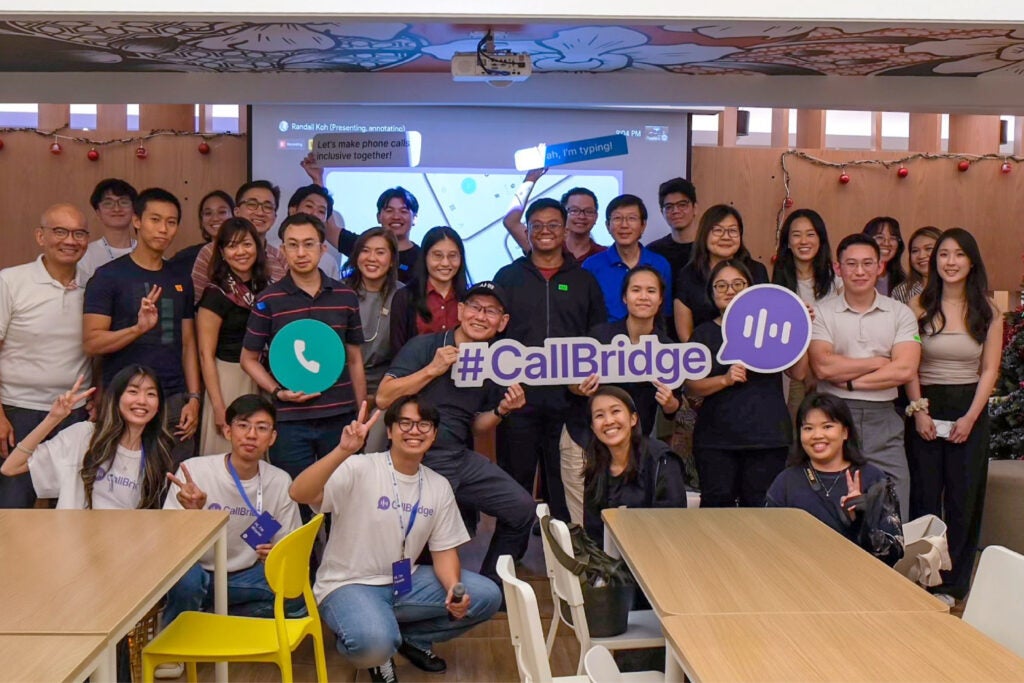
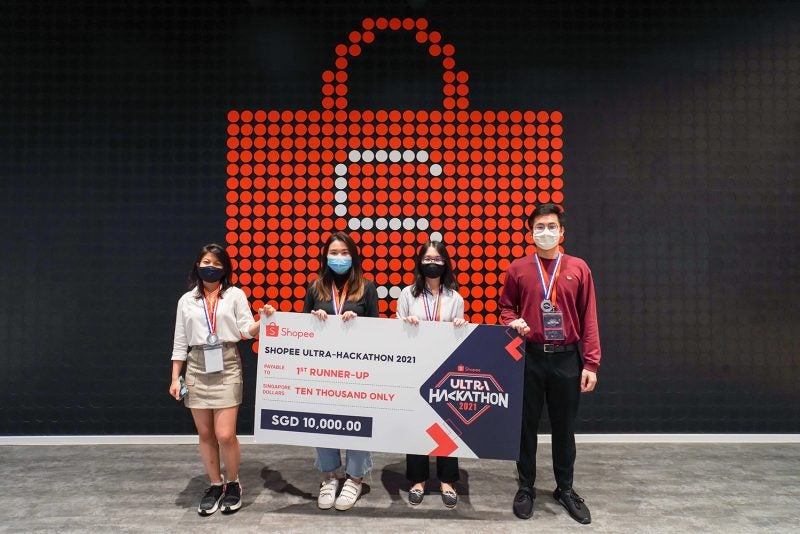
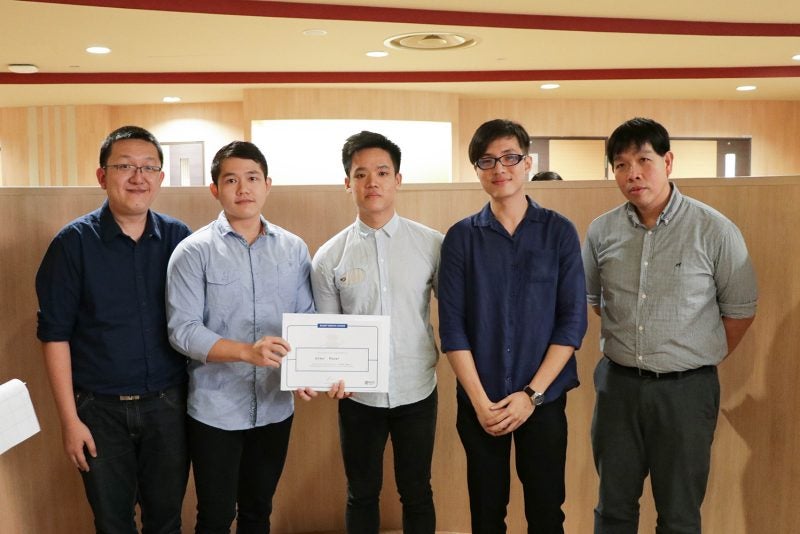
The CallBridge team and partners at the launch party, marking a key milestone in bringing the app to users.
Wayne and Randall worked as software engineers within a multidisciplinary team that included a product manager, a designer, and a partnerships and growth lead. Each member brought a different perspective, from design and product thinking to outreach and engagement.
“We complemented each other well because everyone brought something different,” they say. “But what really helped was that we were all passionate about the same problem.”
That experience changed how they think about teamwork.
Lessons Beyond Code
Building CallBridge reshaped how Wayne and Randall think about computing.
They learned the importance of listening before building, and the value of simple solutions that work. Over-optimising too early, they realised, often slows progress. What matters more is building, testing, and improving based on real feedback.
The project also broadened their perspectives. Working with teammates from different backgrounds helped them see problems more clearly, and reminded them that good technology is rarely built in isolation.
Looking Ahead
What keeps them going are the stories from users.
“Hearing that people managed to call banks, hospitals, or even just friends using CallBridge reminds us why this matters,” they say.
Over the next year, the team hopes to work with more hotlines, raise awareness about accessibility, and explore how CallBridge can support emergency services alongside existing systems.
Outside of school, both stay grounded by playing frisbee, cycling, and slowing down when they can. Wayne was a dog handler during National Service, while Randall busked at Supernova in 2025.
Their advice to fellow SoC students is simple.
“Spend more time understanding the problem before rushing into solutions,” Randall says.
Wayne adds, “Talk to users, build fast, and iterate. Do not make decisions based on assumptions.”
For them, CallBridge is a reminder that good technology – and meaningful computing – starts with listening.
Additional links:
- https://callbridge.sg (Website)
- https://www.linkedin.com/company/callbridgesg/?viewAsMember=true (Progress Updates)
- https://www.build.gov.sg/bfg25-accelerator/callbridge/