Redefining Belonging in Tech:
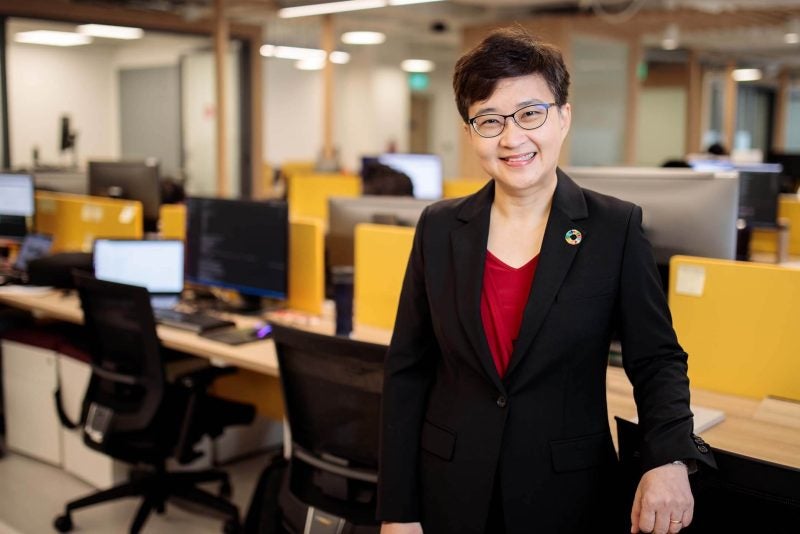
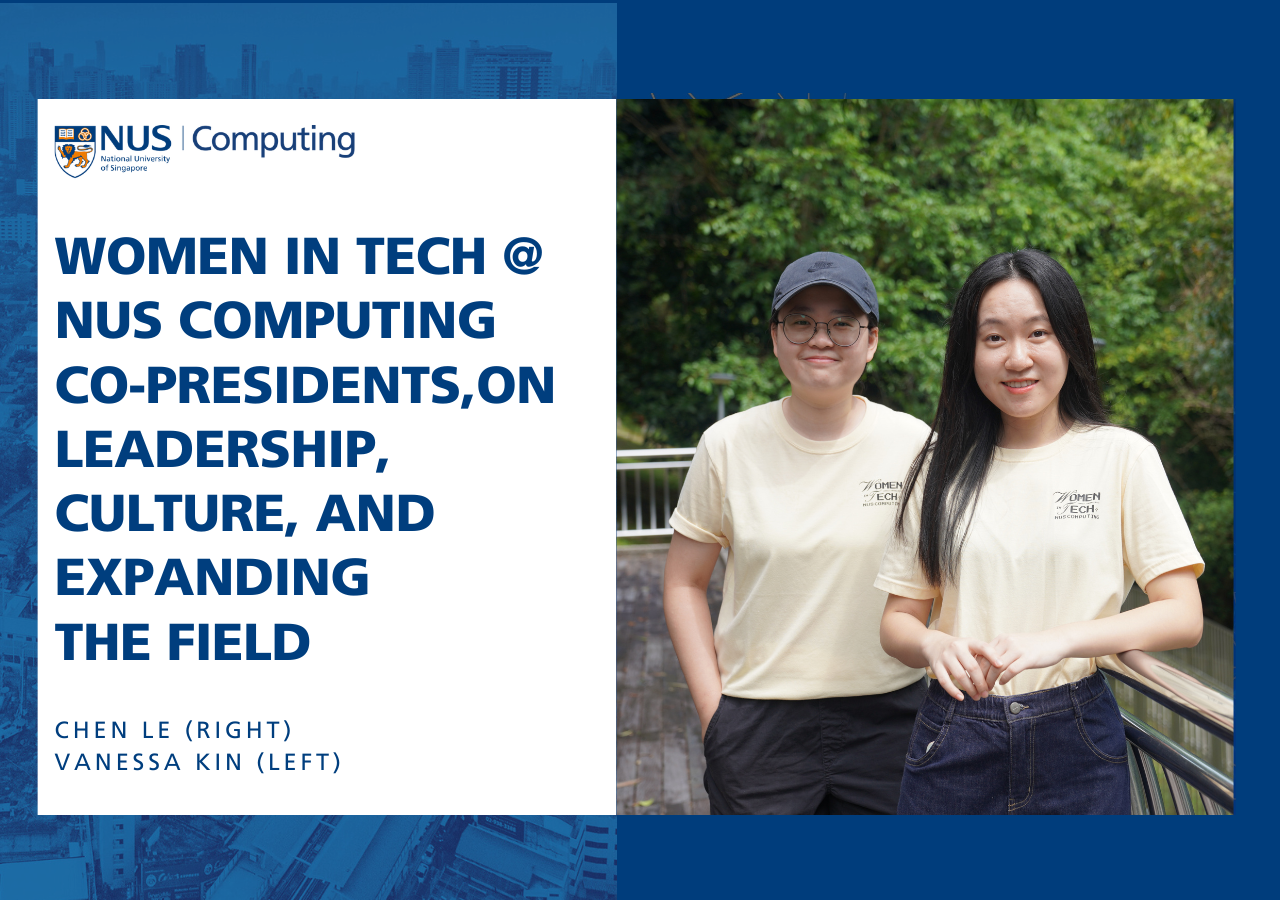
Women in Tech @ NUS Computing Co-Presidents Chen Le and Vanessa Kin on leadership, culture, and expanding the field
In a room of 20 computing students, sometimes only three are women.
At the NUS School of Computing, women make up 23.7% of undergraduates (AY24/25). The gender ratio remains uneven – a reality that shapes classroom dynamics in subtle yet tangible ways.
For Vanessa Kin, a Year 4 Computer Science and Mathematics undergraduate student, that imbalance was visible from her first semester. But what lingered was quieter: the question of whether she truly fit.
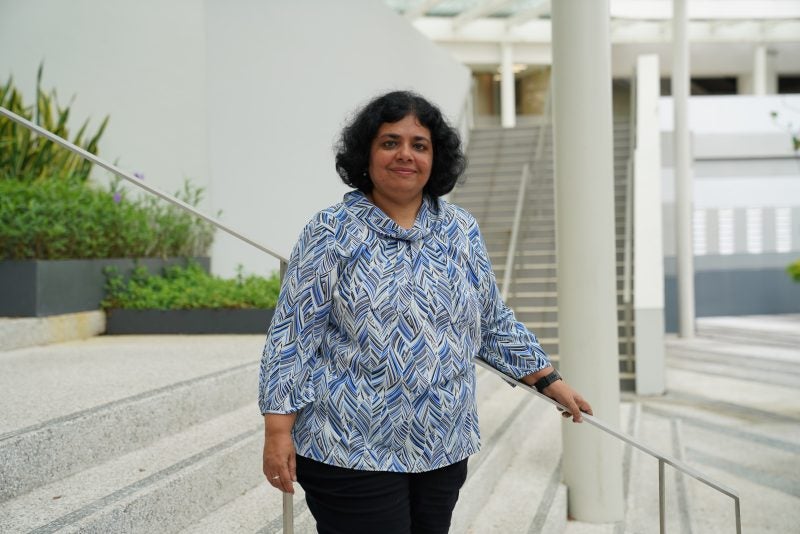
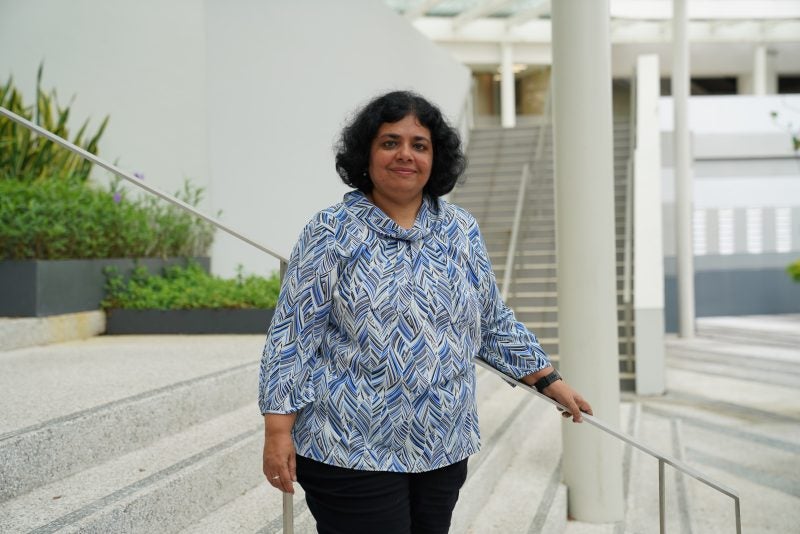
For Chen Le, a Year 3 Computer Science undergraduate student, the question ran even deeper. She entered Computer Science pragmatically, drawn by how technology shapes every industry. Passion did not arrive instantly – it was forged through struggle, doubt and a gradual shift in perspective.
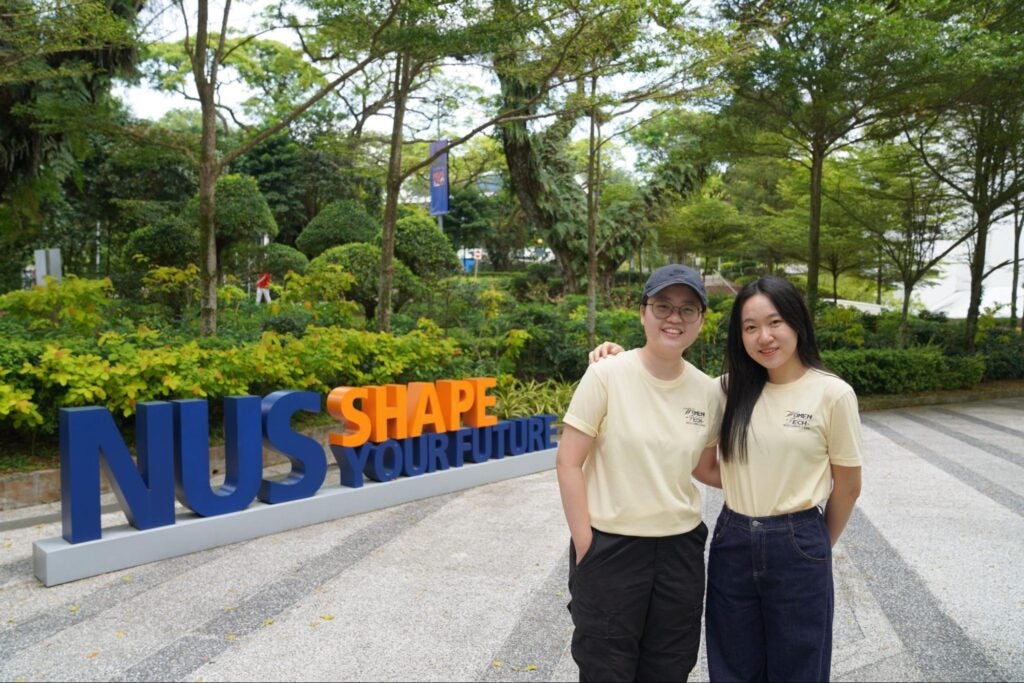
Today, as Co-Presidents of Women in Tech @ NUS Computing (WiT), they are not only navigating the field. They are building spaces within it.
From Doubt to Direction
Chen Le is candid about her early struggles.
“Computing didn’t begin with a dramatic spark,” she says. “It was a practical decision.”
Programming felt painful at first. Surrounded by peers who seemed naturally confident, she questioned whether she belonged. The turning point came during a conversation with NUS career advisor Shaun Goh, who told her, “Chen Le, there is bound to be something for you. Do not be afraid. You will find your place.”
Instead of asking, Am I technical enough?, she began asking, How can I bring my strengths into tech? Chen Le realised computing is not a single narrow path. “There is room for system builders,” she says, “but also for bridge-builders.”
Vanessa’s journey followed a different arc. She chose computing through a process of elimination – narrowing down what she did not want to study, until computing remained.
“I’m very glad I started this journey,” she reflects.
What made the difference early on was discovering WiT. In a male-skewed environment, the community provided perspective and connection.
Belonging, for both leaders, was cultivated over time.
Leading with Purpose
When they stepped up as Co-Presidents of WiT, the motivation was deeply personal.
“For me, WiT was the first place where I felt seen and understood,” Chen Le shares. “Stepping up was my way of paying that forward.”
Vanessa, after three semesters leading projects and pillars within the organisation, felt a responsibility to guide its direction and ensure decisions continued to serve members meaningfully.
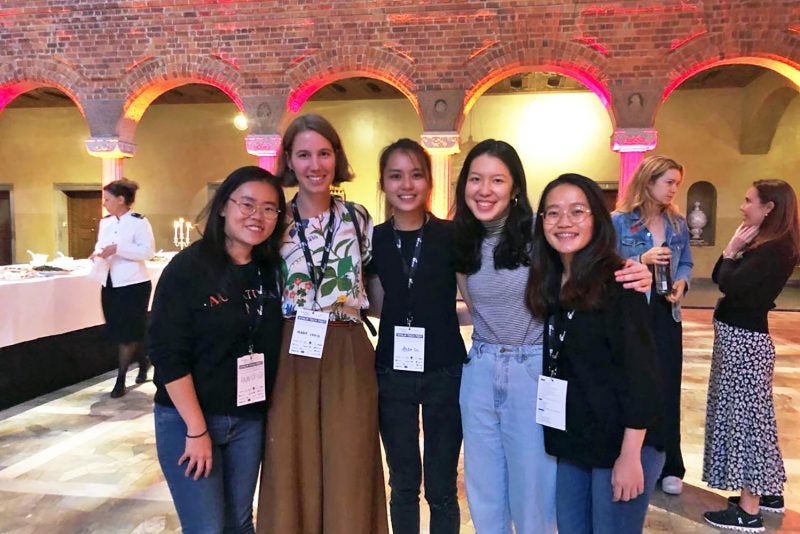
They describe WiT as a student-led, student-driven community that empowers women in computing to grow together.

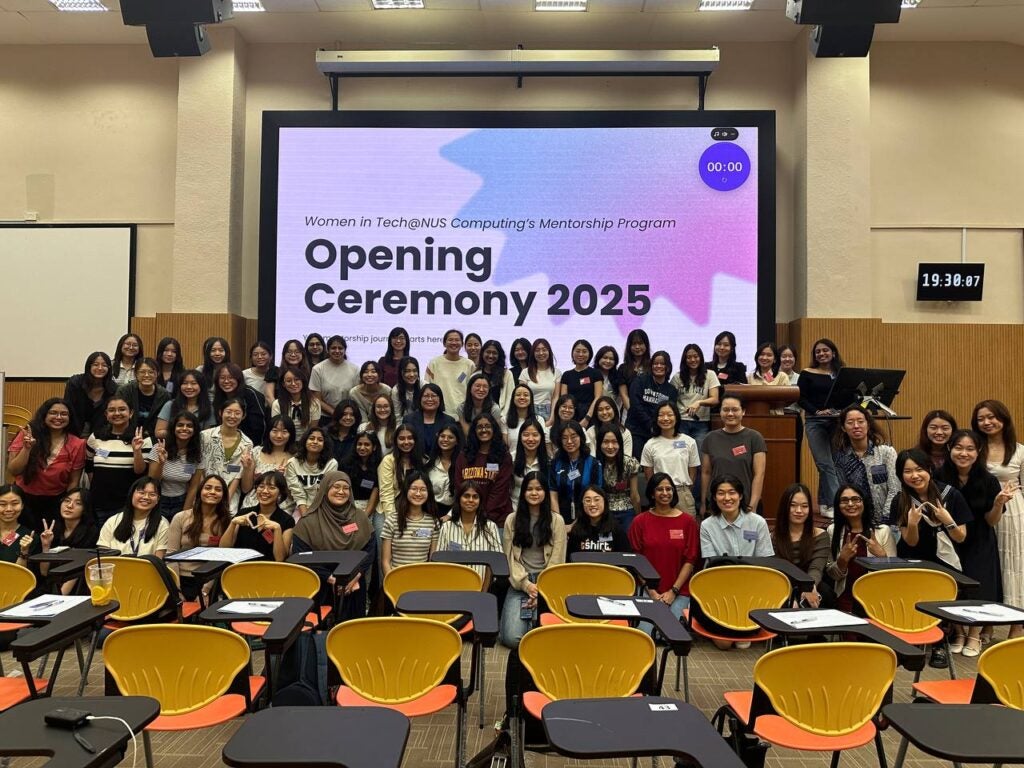
Under their leadership, WiT’s initiatives range from structured mentorship to practical skill-building. The annual three-month Mentorship Program connects students with industry professionals navigating current trends and challenges.
Company visits to partners such as AWS, Google, Microsoft, Morgan Stanley, and Tata Consultancy extend learning beyond the classroom.
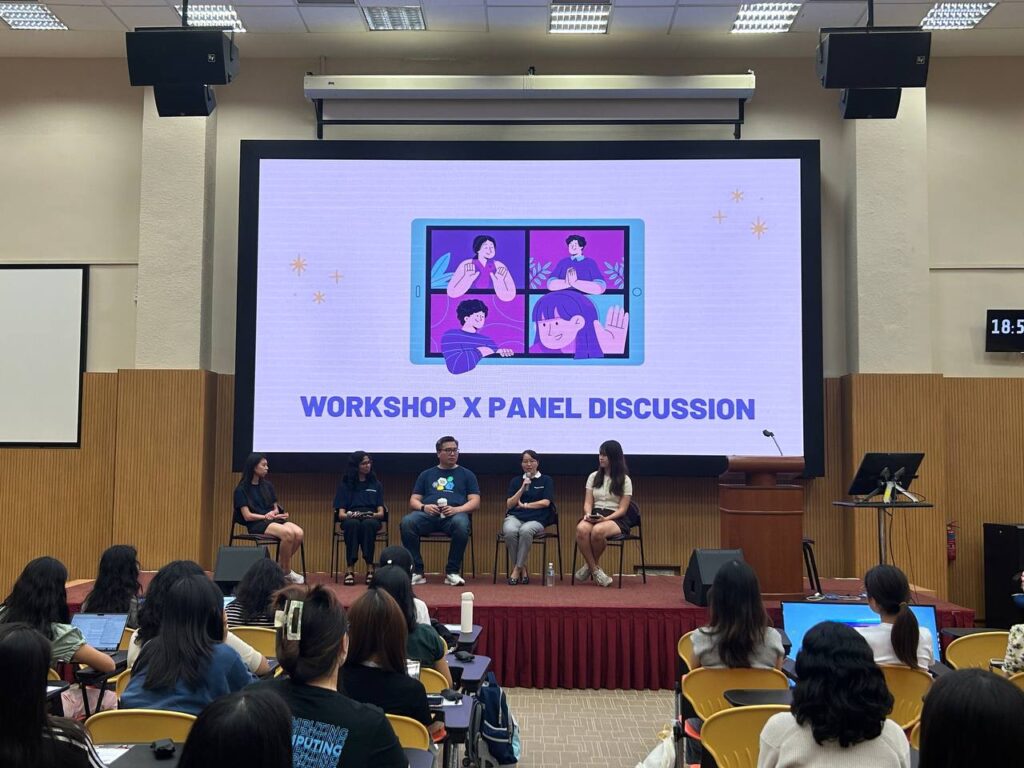
On campus, initiatives like LeetCode Wednesdays create low-pressure spaces for students to practise technical interview questions openly – without fear of judgement. “It’s helped many students gain the confidence to try,” Vanessa says. “There’s no pressure of being judged, rushed, or expected to know everything.”
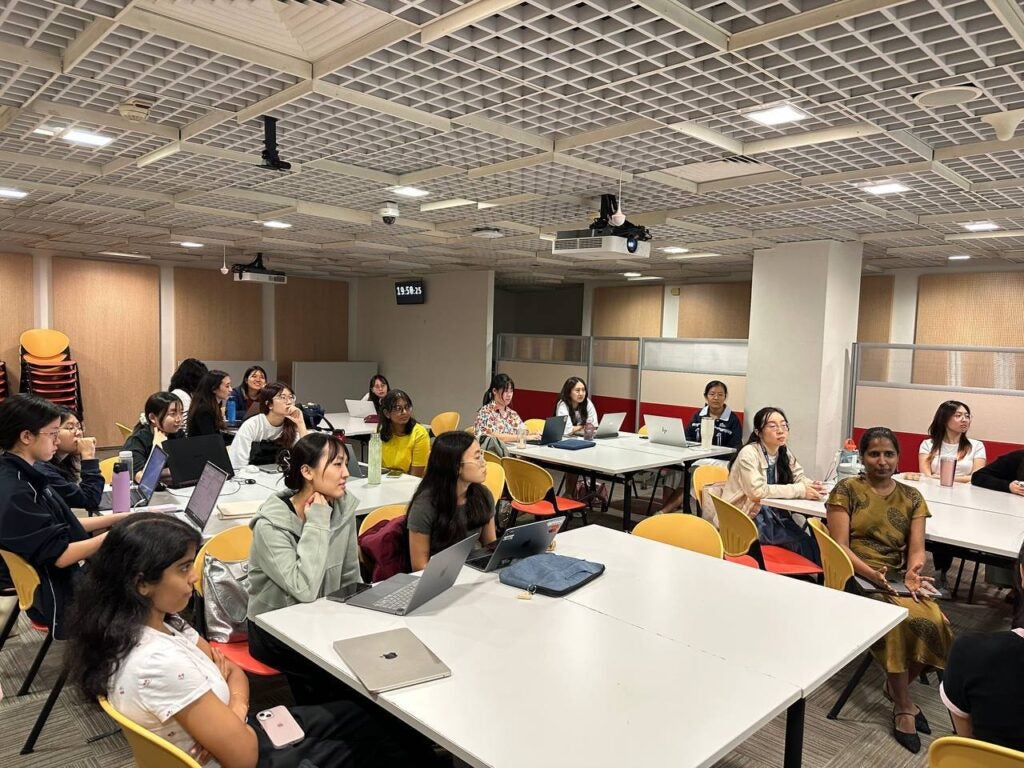
Their weekly Telegram newsletter, Weekly Bytes, reaches approximately 1,000 subscribers, curating opportunities, events, and developments in tech into a concise, accessible format.
Yet for both leaders, the most meaningful moments are often quiet ones.
“When members who were initially hesitant begin emceeing events, leading discussions, or applying for opportunities they once thought were out of reach, that’s growth,” Chen Le says. “Sometimes it’s simply someone daring to raise her hand.”
Beyond Representation
Progress is visible. Conversations about diversity in technology are more mainstream than before. But for Chen Le and Vanessa, inclusion must extend beyond entry.
“Meaningful inclusion is psychological safety,” Chen Le explains. “It’s not having to shrink, overperform, or constantly prove your worth.”
Vanessa sees inclusion in the small, everyday choices made to build a community. “Allies help set a standard of respect,” she says. “Whether that’s speaking up when something feels dismissive or ensuring everyone’s voice is heard.”
They are clear about what inclusion is not.
“We don’t need more women in tech to fit in,” Vanessa says. “We need the culture to expand to fit us.”
Rethinking Success
Both leaders are intentional about sustainability – in leadership and in life.
Chen Le speaks openly about learning from burnout. She now plans her weeks deliberately, protecting rest and boundaries. Leadership, she believes, should not depend on constant overextension. “The goal isn’t to do more; it’s to lead well without losing yourself.” Vanessa maps academic milestones at the start of each semester to ensure leadership commitments and studies receive focused attention.
Outside computing, Chen Le draws inspiration from journalling and from her experiences in interdisciplinary discussions at Tembusu College, which shaped how she thinks about leadership and learning. Vanessa finds grounding in friendships that show technical excellence and a fulfilling personal life are not mutually exclusive.
For Chen Le, success means alignment – when what she does reflects who she is. For Vanessa, success is impact – building technology and communities that meaningfully improve lives, not simply creating what is possible, but what is purposeful.
Collectively, success means building spaces where more people feel they belong – not as tokens, but as contributors.
Looking Ahead
If they could redesign tech culture, both would begin by redefining what is celebrated.
“We often prioritise speed and visible brilliance,” Chen Le observes. “But innovation also comes from reflection, collaboration, and emotional intelligence.”
Vanessa poses a complementary question: not only Can we build this? but Should we build this?
To young women considering computing but feeling unsure, their message is steady.
“You don’t have to be fearless to succeed in computing,” Chen Le says, “Courage is choosing to show up despite the doubt.”
And in doing so, they are helping redefine what belonging in tech can look like.