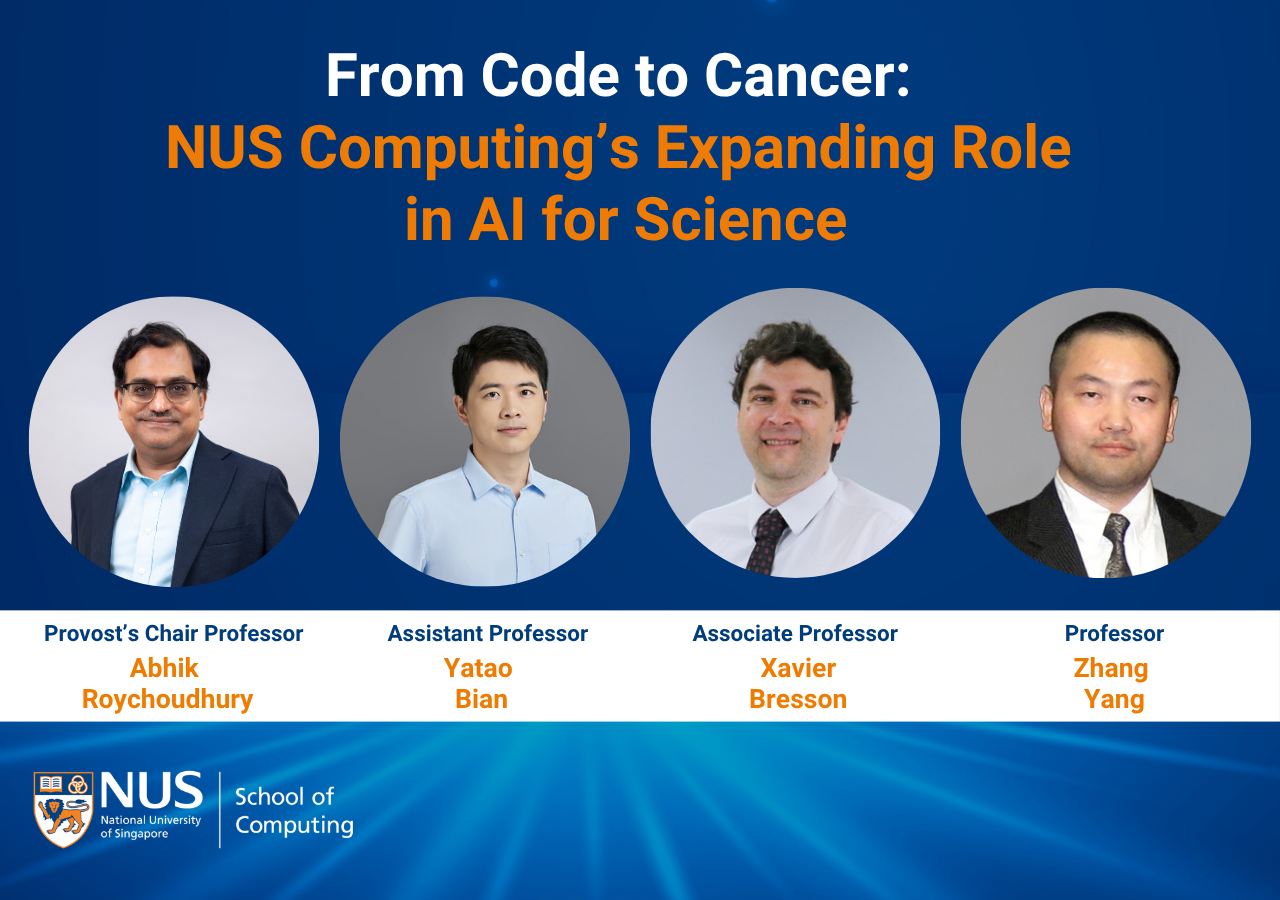
From Code to Cancer: NUS Computing’s Expanding Role in AI for Science
From software verification to cancer immunotherapy, NUS Computing researchers are applying AI across scientific fields, backed by Singapore’s national research funding programmes.
Software is never quite as reliable as we need it to be. Molecules need testing. New materials can take decades to find. The immune system still guards many of its secrets. These are not abstract scientific problems – the gaps have real costs, in medicine, in infrastructure, and in the pace of discovery itself.
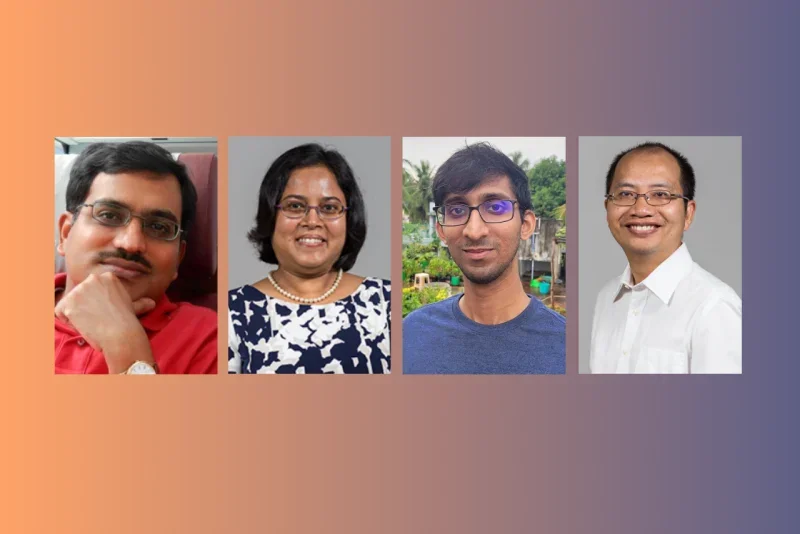
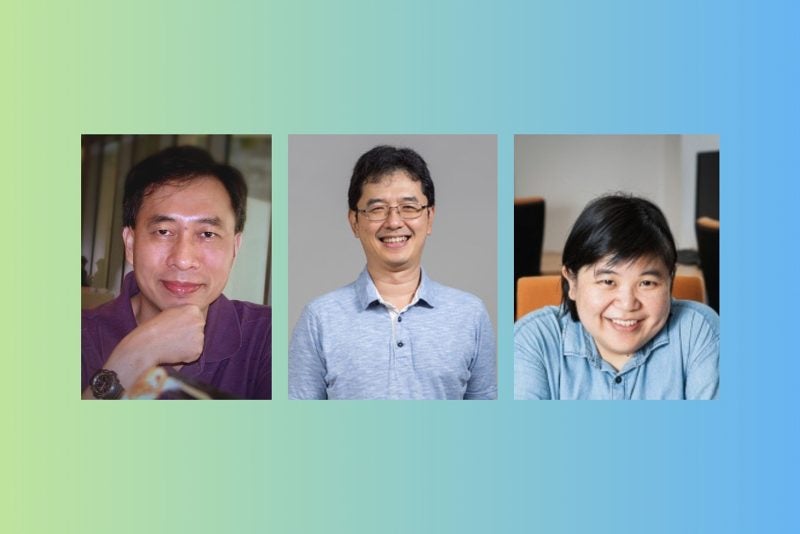
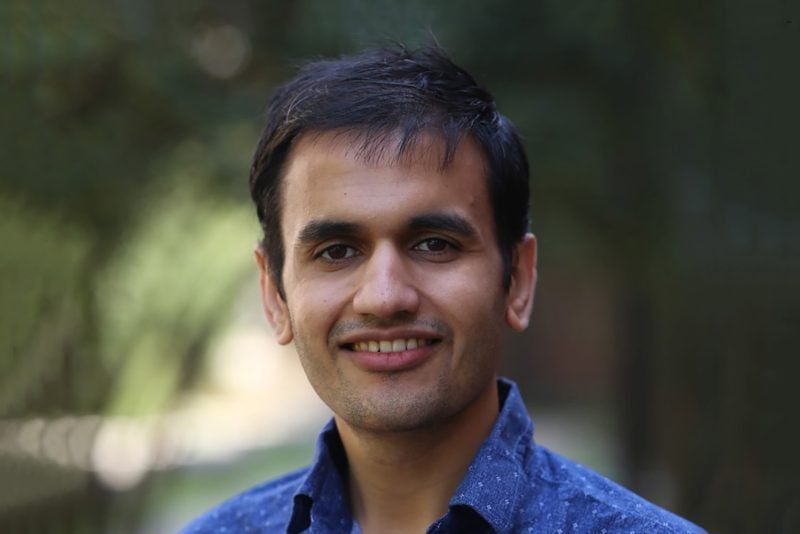
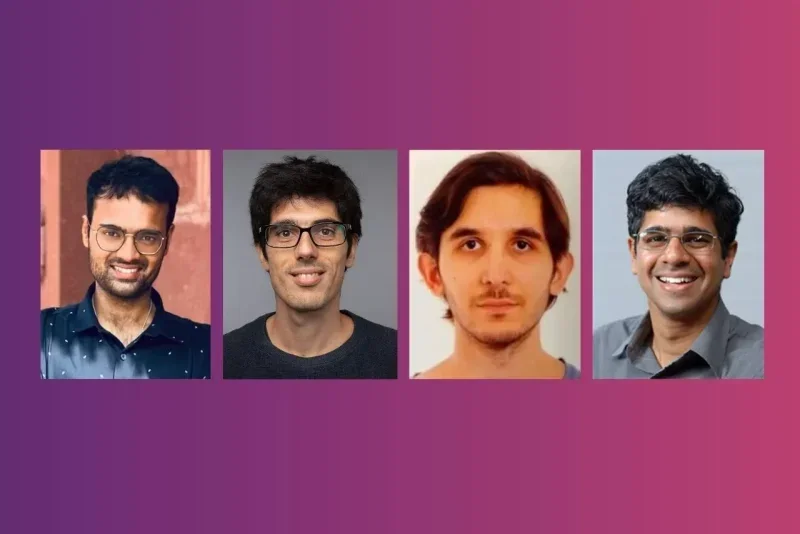
At NUS School of Computing, four faculty members are working on them, all funded by the National Research Foundation (NRF), Singapore’s national agency for research, innovation and enterprise.
Verifying the code that runs critical systems
Provost’s Chair Professor Abhik Roychoudhury has spent years working on a problem that predates AI: how do you prove that a piece of software does what it is supposed to do? The question has grown more urgent as AI systems generate larger volumes of code with less human oversight.
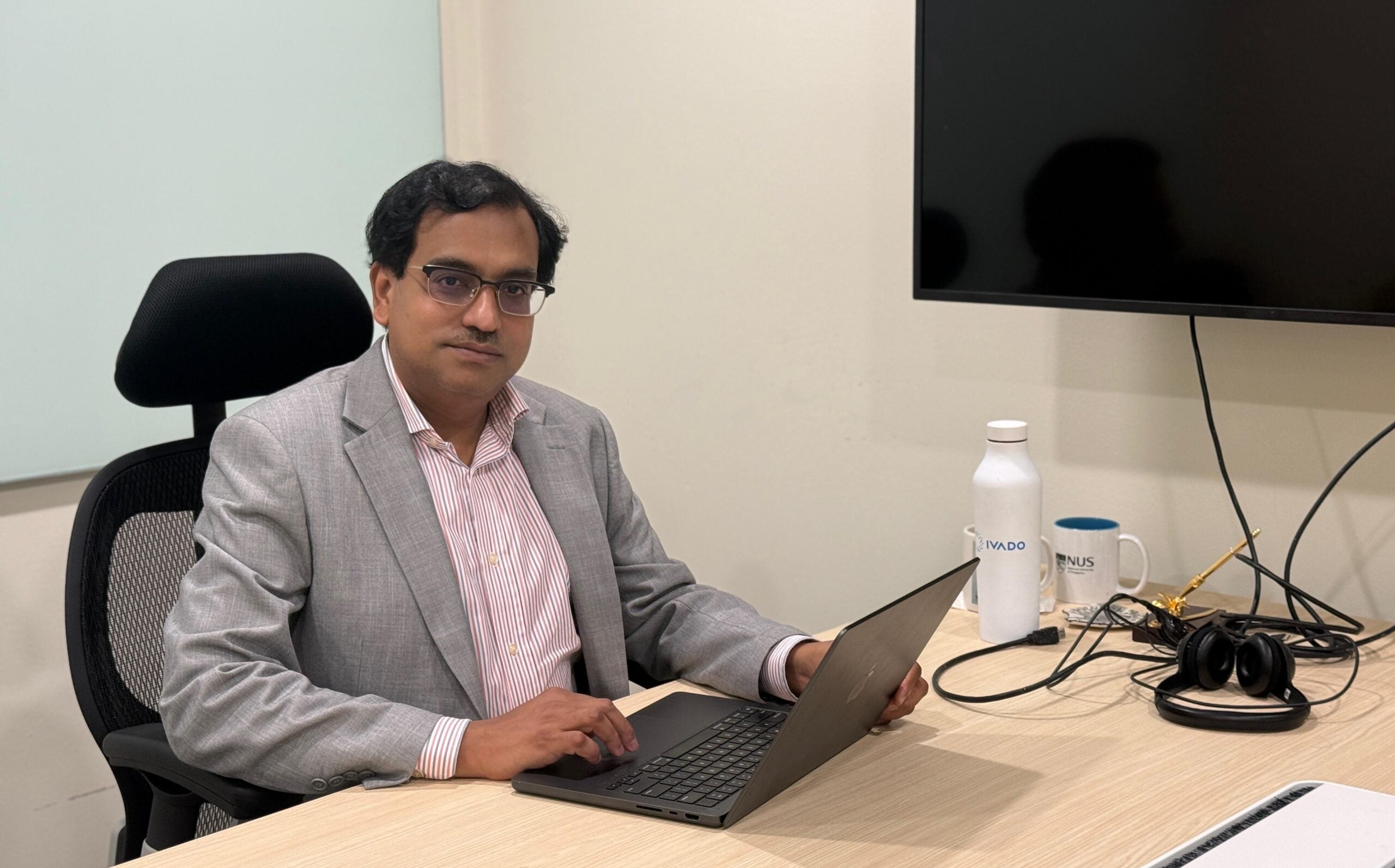
His project, AI for Program Reasoning, is one of eight inaugural grants under Singapore’s national AI for Science (AI4S) programme, announced in June 2026 and backed by S$10 million from the NRF. Co-led with Professor Cristian Cadar of Imperial College London, it brings in researchers from NUS, Imperial College, SMU, MIT and ETH Zurich to build AI agents capable of automatically verifying the correctness of computer programs – working across formally specified systems and code that was never properly documented to begin with.
The practical targets are demanding: network protocols, consensus algorithms used in distributed systems, and components of the Linux kernel.
“With the rise of AI agents that can combine reasoning about text as well as code representations, there remains a real possibility of extracting non-trivial specifications which are then proved automatically via proof search automation,” said Prof Roychoudhury. “The impact of such research would be huge, leading to the validation of widely used software like the Linux kernel.”
Cross-domain reasoning for drug discovery
Most AI models in science are trained on one domain and stay there. Assistant Professor Yatao Bian’s AI4S Catalytic Grant project, co-led with Professor Liu Bin, is built around changing that.
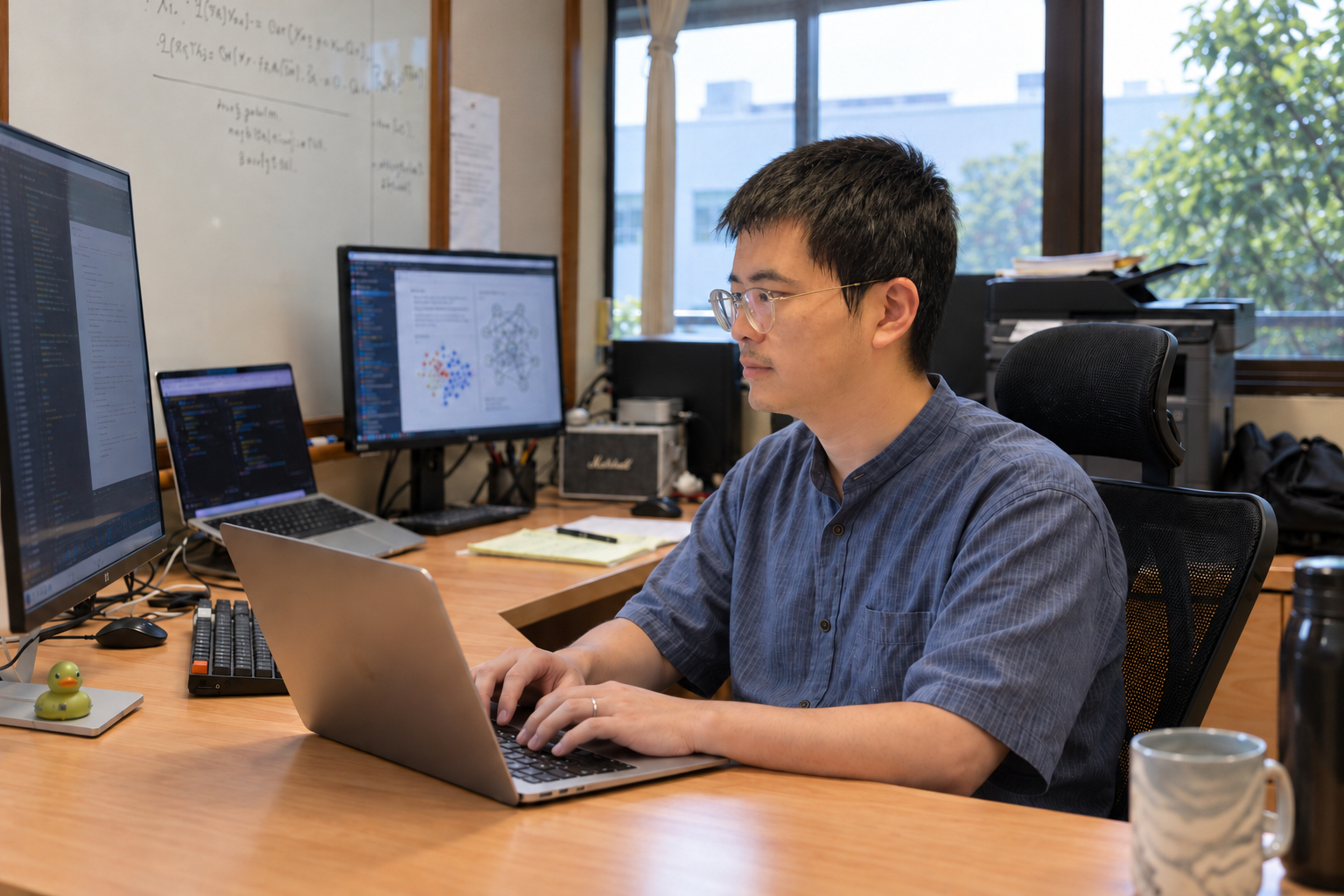
Achieving Systematic Generalization via Cross-domain Foundation Models for Theragnostic Inhibitor Discovery (S$1.9m) aims to build AI that can learn the logic of multiple scientific fields separately and then combine that knowledge when designing molecules. The application is theragnostic inhibitor discovery – designing a single molecule that can both target a disease-related protein and produce an optical signal, allowing the researchers to track whether it reaches its intended target and how well the treatment is working. In the longer term, this could support more precise and personalised treatment decisions for patients.
“Can we build AI systems that do not merely fit patterns within one dataset, but systematically generalise across scientific domains?” said Asst Prof Bian. “Through cross-domain foundation models, we hope to move AI closer to a form of compositional scientific reasoning, where knowledge from various domains can be learned separately, fused intelligently, and translated into real discovery.
Generative AI for materials design
Finding a material with specific properties has traditionally meant testing large numbers of candidates through slow, expensive laboratory work. Associate Professor Xavier Bresson’s project applies generative AI to compress that process.
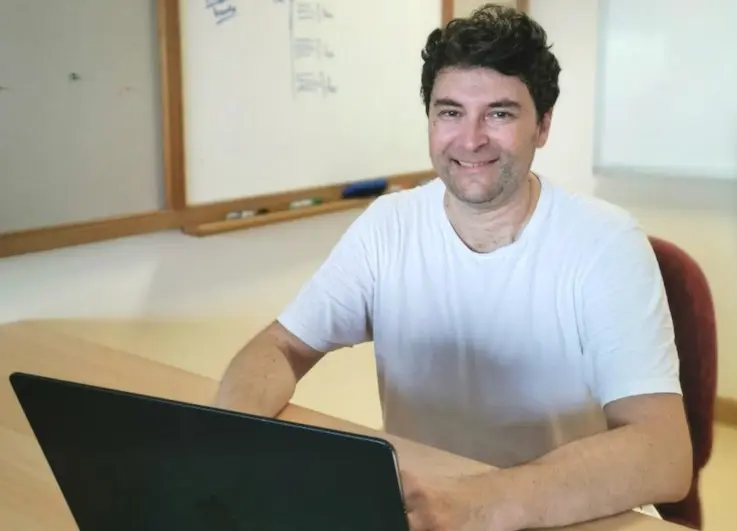
His AI4S Catalytic Grant, Advancing Generative Models for Materials: A Unified AI and Mathematical Foundations (S$2m), co-led with Professor Kostya Novoselov, combines AI with mathematical modelling to suggest and assess new materials before they reach a lab bench.
“Rather than relying so heavily on trial and error, we want to use mathematics, physics and AI to help design materials with the properties we are looking for. While AI is powerful at identifying patterns in data, mathematics provides the theoretical foundations to understand the underlying physical principles and improve predictions. Combining the two allows us to make more reliable predictions, even with limited data, and accelerate the discovery of new materials with desired properties,” said Assoc Prof Bresson.
Decoding T-cell recognition
T cells identify and destroy infected or cancerous cells, but the molecular rules governing how they recognise their targets are still not well understood. Prof Yang Zhang‘s project is building AI models to decode those rules.
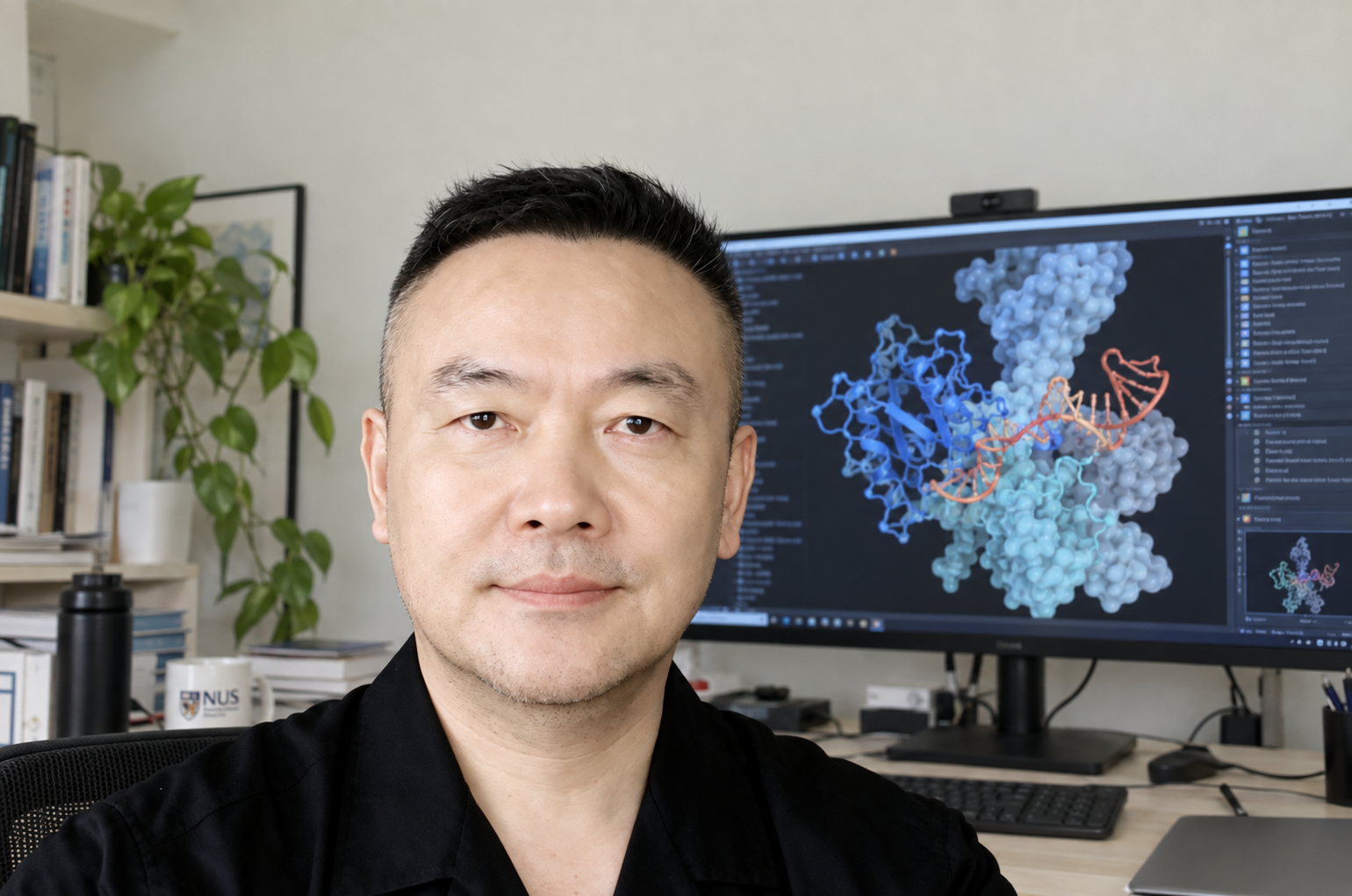
Funded under the NRF’s 33rd Competitive Research Programme – a separate national funding scheme – Decoding Cellular Adaptive Immunity through AI-driven Modeling and Design of TCR-pMHC Interactions (S$9m) focuses on the molecular interaction through which immune cells distinguish healthy tissue from disease. Prof Zhang leads the project alongside Asst Prof Jun Siong Low and Yang Li (NUS Cancer Science Institute), Asst Prof Yong Zi Tan (NUS Department of Biological Sciences), Qi-Jing Li (A*STAR Institute of Molecular and Cell Biology), and Wei Wu (A*STAR Singapore Immunology Network).
Better models of that interaction could inform the design of therapeutic T-cell receptors and support the development of personalised cancer immunotherapies.
“Over the past two decades, AI has transformed our ability to understand and design proteins,” said Prof Zhang. “With this CRP grant, we now have the opportunity to apply similar ideas to the immune system and tackle one of the most challenging problems in biomedicine. Ultimately, we hope this work will help translate advances in AI into more precise and personalised immune therapies for patients, while strengthening Singapore’s capabilities at the intersection of AI, immunology, and precision medicine.”
Across these projects, NUS Computing’s researchers are among those driving Singapore’s push to put AI to work in science – in pursuit of more reliable critical systems, cleaner materials for energy and industry, and faster pathways to treating disease.