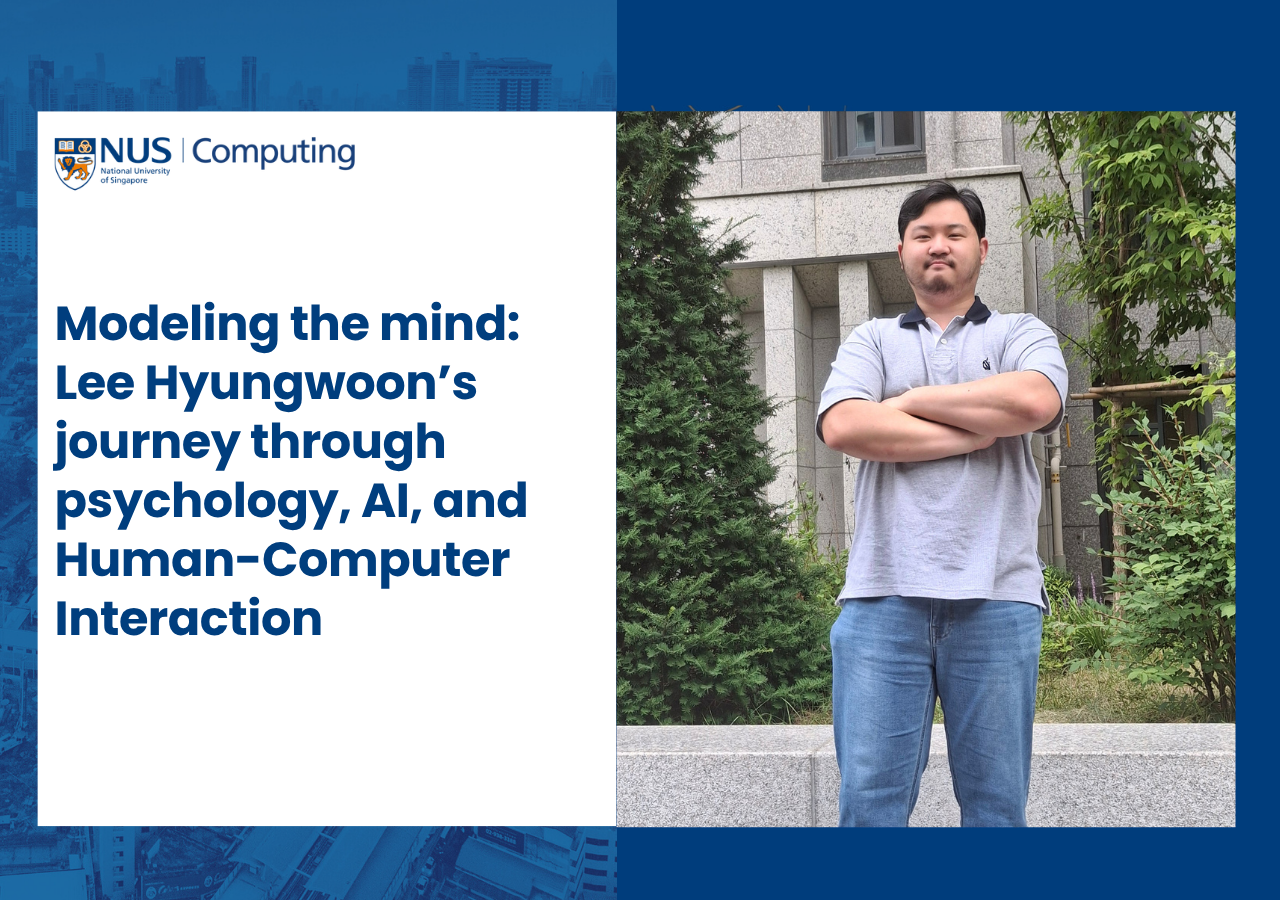
Modeling the Mind: Lee Hyungwoon’s Journey Through Psychology, AI, and Human-Computer Interaction
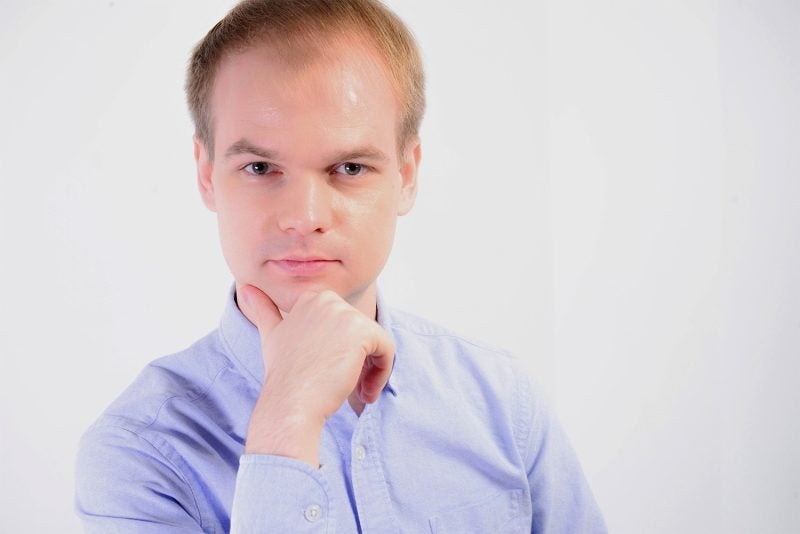
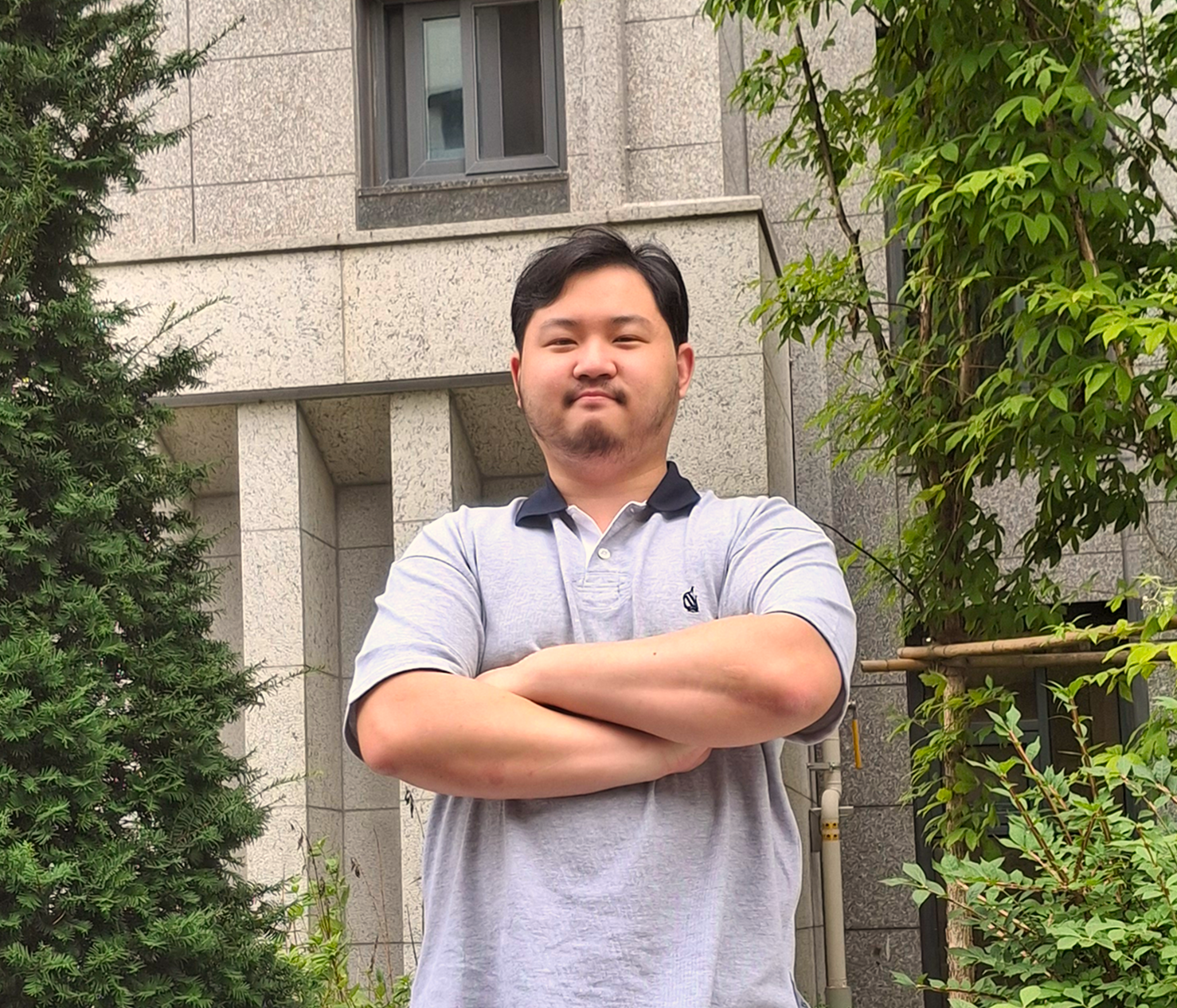
When Hyungwoon first enrolled at NUS School of Computing (SoC), he was chasing a question that had followed him since before university: what does it really mean to learn?
“I had always viewed learning as a very subjective psychological concept,” he says, “so the idea of mathematically modelling the concept was very intriguing.” This curiosity, paired with a long-standing interest in psychology and history, motivated him through everything he did at NUS. He took on a secon td major in psychology, built a final-year project around cognitive stress, and eventually received a graduate offer from MIT Media Lab, within one of the most selective research groups in human-computer interaction.
Finding the intersection
SoC’s flexibility, alongside Tembusu College’s University Town College Programme, opened the door to interdisciplinary work early on. By Hyungwoon’s third year, existing coursework no longer captured what he wanted to explore, and so he began seeking out research projects that bridged psychology with robotics and Computer Science education. A recommendation from his then-mentor, Senior Lecturer Boyd Anderson, led him to Associate Professor Suranga Nanayakkara‘s Augmented Human Lab (AHL), where he stayed for the next three and a half years.
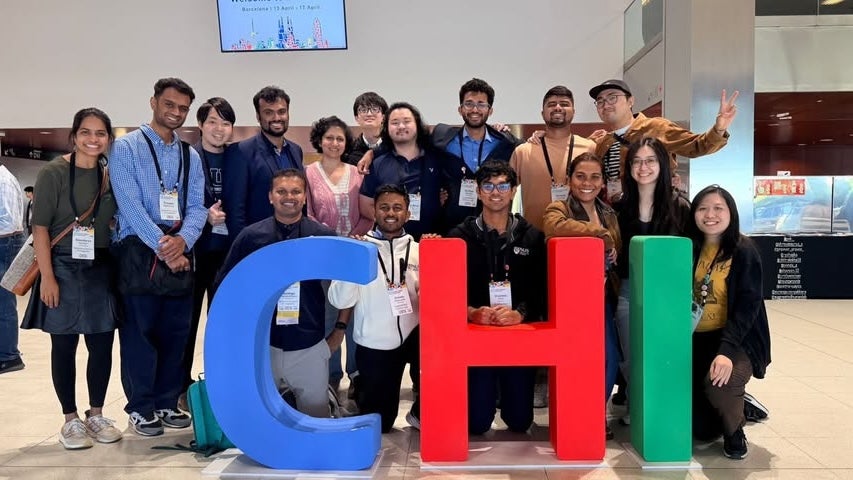
A final-year project that grew into a conference paper
Hyungwoon’s final year project (FYP), supervised by Prof Nanayakkara, asked whether cognitive stress could be detected through smartwatch signals. The challenge was that “stress” meant different things across different fields. His project separated stress into distinct cognitive, emotional, and social components, and tested it against real physiological data. This meant collecting live data from students during actual examinations, coordinating approvals across course instructors and departments, and collecting data using dozens of smartwatches with participants under tight timelines.
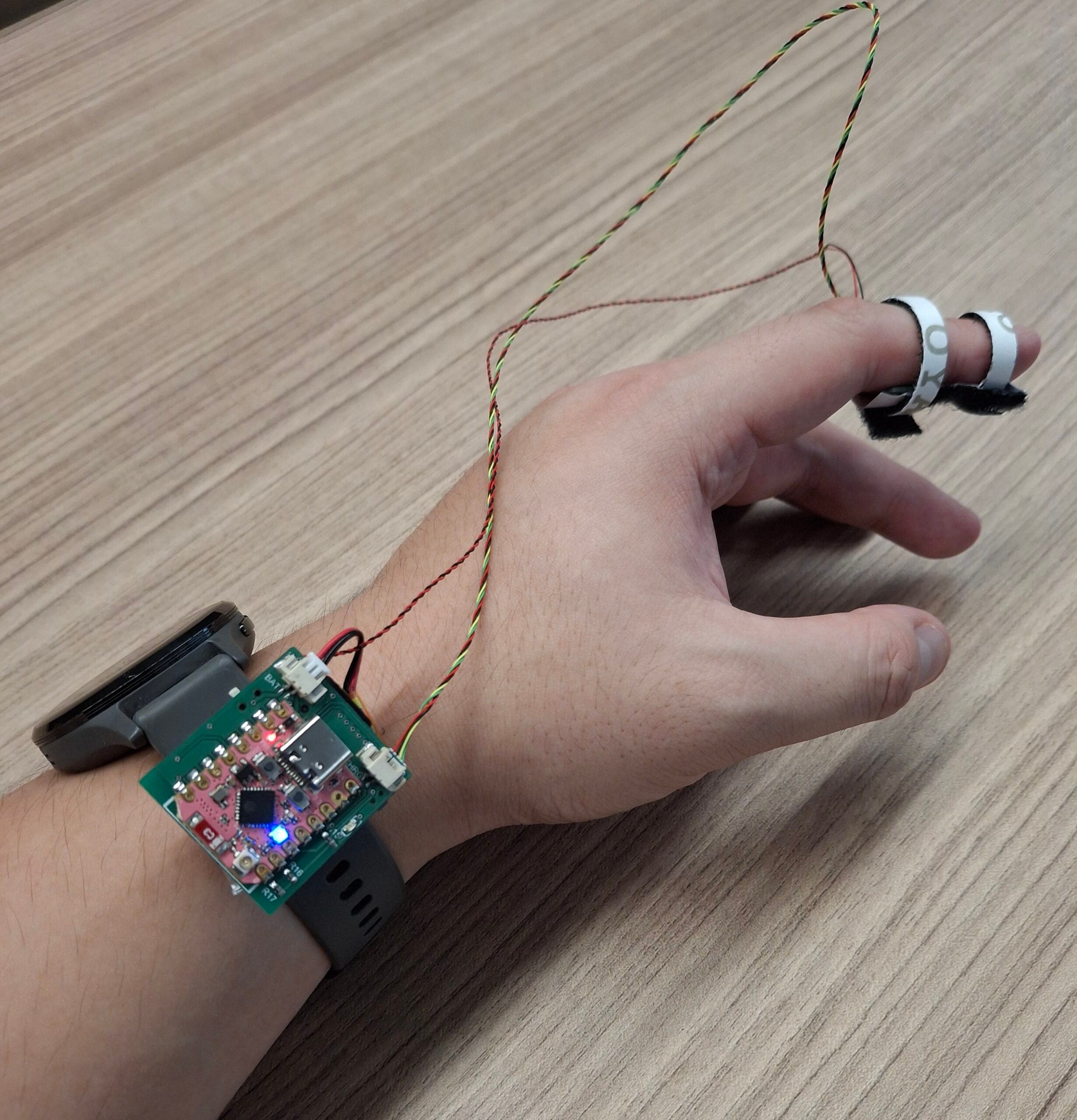
“The main difficulty came from the fact that we were collecting real-time data from students during actual course examinations,” he recalls. The work has since been accepted at UbiComp 2026, one of the premier international venues for research in ubiquitous, pervasive and wearable computing, to be presented in Shanghai this October. It also earned him the Outstanding Undergraduate Researcher Prize.
“It felt like NUS recognised my efforts towards building my own interdisciplinary path,” he says – though he hopes NUS continues to find ways to recognise students who forge their own routes rather than follow set ones.
Building Emplity on the side
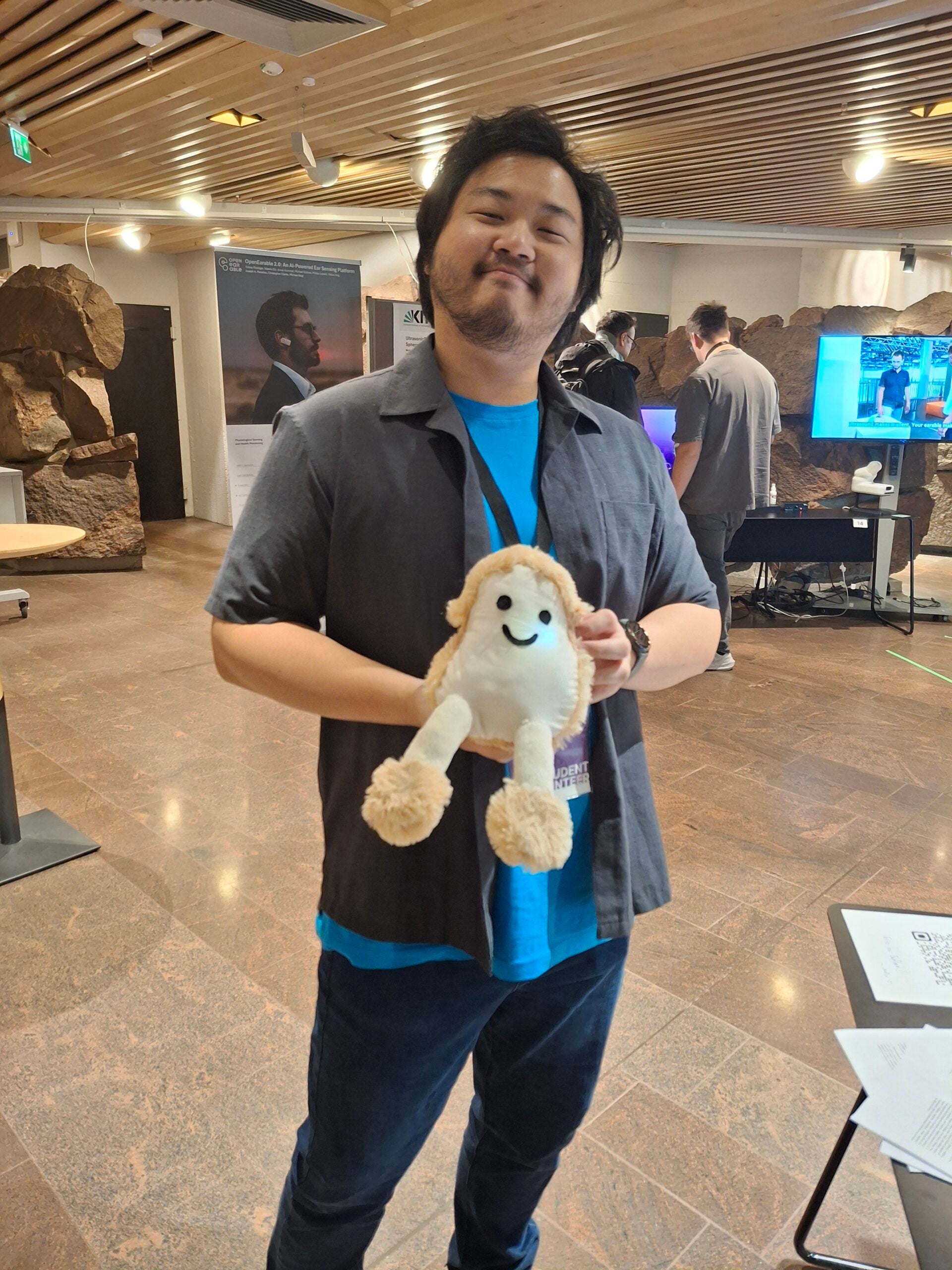
Alongside his research, Hyungwoon co-founded Emplity, a startup exploring AI tools to help mental health professionals-in-training – from clinicians to peer supporters – sharpen their skills. The idea took shape in 2022, as ChatGPT came out and sparked concerns about AI replacing teachers and therapists.
“My idea was to flip the narrative,” he says. “Why not use ChatGPT as a student or a therapy client instead?”
Working with practising clinicians, the team built a chatbot interface system that simulates a therapy client, giving trainees a space to practise.
Running a startup alongside a full course load and an ambitious FYP meant taking a semester’s leave of absence to focus fully on both.
“I don’t recommend people juggle multiple things just for the sake of doing so,” he cautions. “As long as you are doing things you are genuinely interested in and give them as much attention as they deserve, that’s all that really matters.”
Next stop: MIT Media Lab
Hyungwoon was accepted into MIT Media Lab‘s Fluid Interfaces group, led by Prof Pattie Maes, out of roughly 400 applicants. “I was drawn to Fluid Interfaces’ vision of using AI not necessarily for technological progress and achieving AGI, but making tools and systems that benefit people at large,” he says.
At MIT, he hopes to explore wearable devices as companions rather than teachers. He wants to investigate how people might become, in his words, “lifelong teachers,” reinforcing what they know by sharing it with others, aided by context-aware technology.
His advice to juniors at SoC considering a similar path is simple: “Pursue your interests uncompromisingly if you are clear on what interests you, whatever it might be. It doesn’t even have to be computing-related.”
When asked to sum up what NUS SoC gave him, he doesn’t reach for a polished line. “Opportunities, experiences, memories,” he says, “and a lot of sleepless nights.”