NUS Computing Alum’s San Francisco Start-Up Raises US$4 Million to Make Products Work for AI Agents
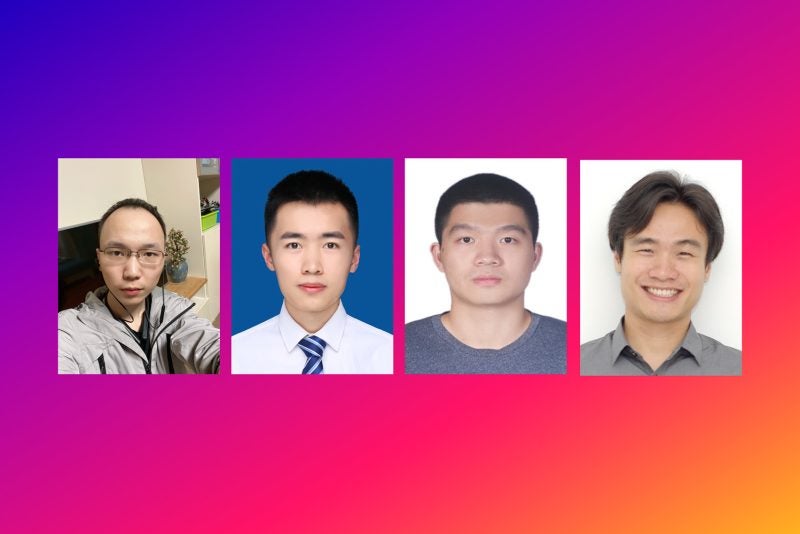
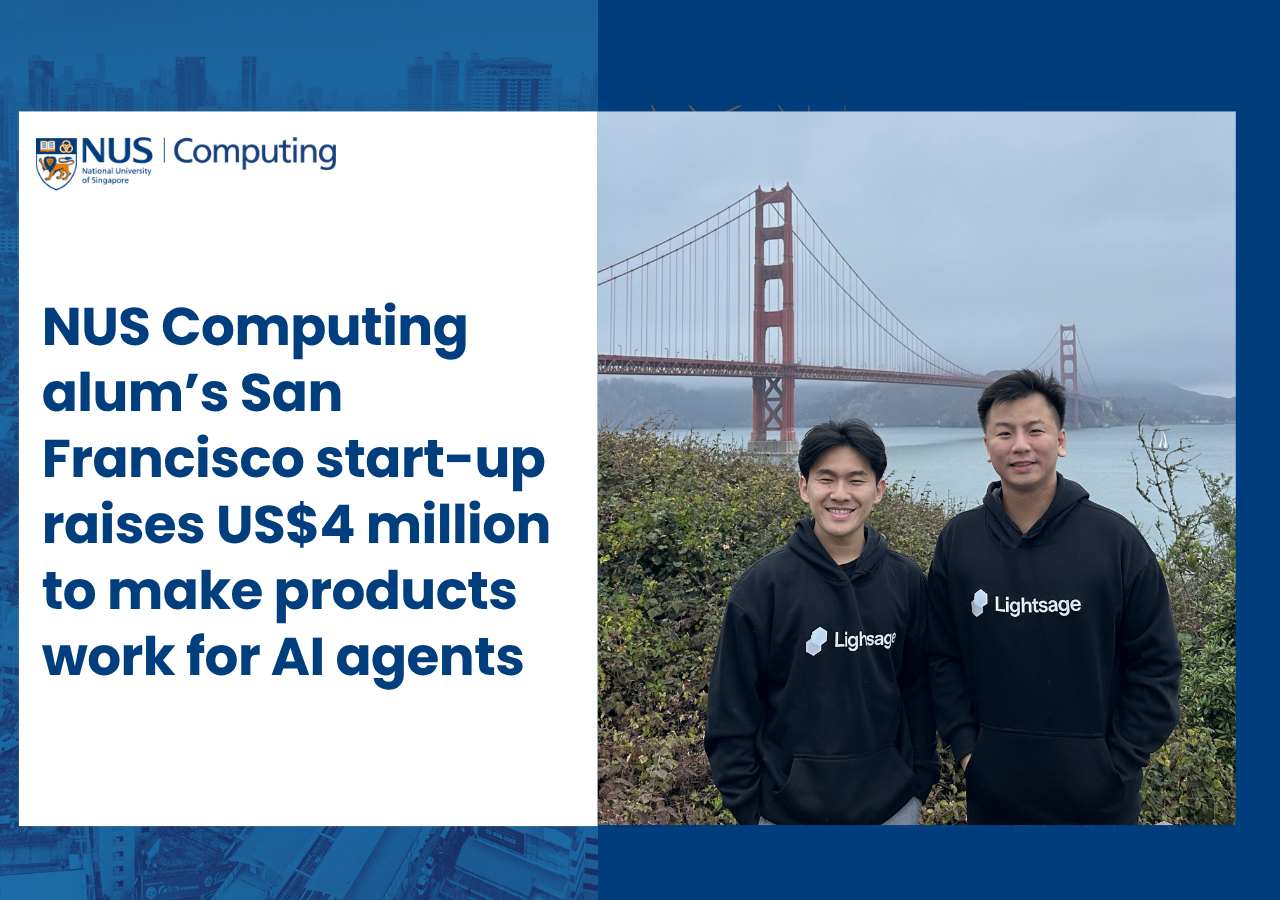
Sean Er started his first company while studying Computer Science at NUS. Lightsage, his third, has raised US$4 million to help companies make their products work for AI agents.
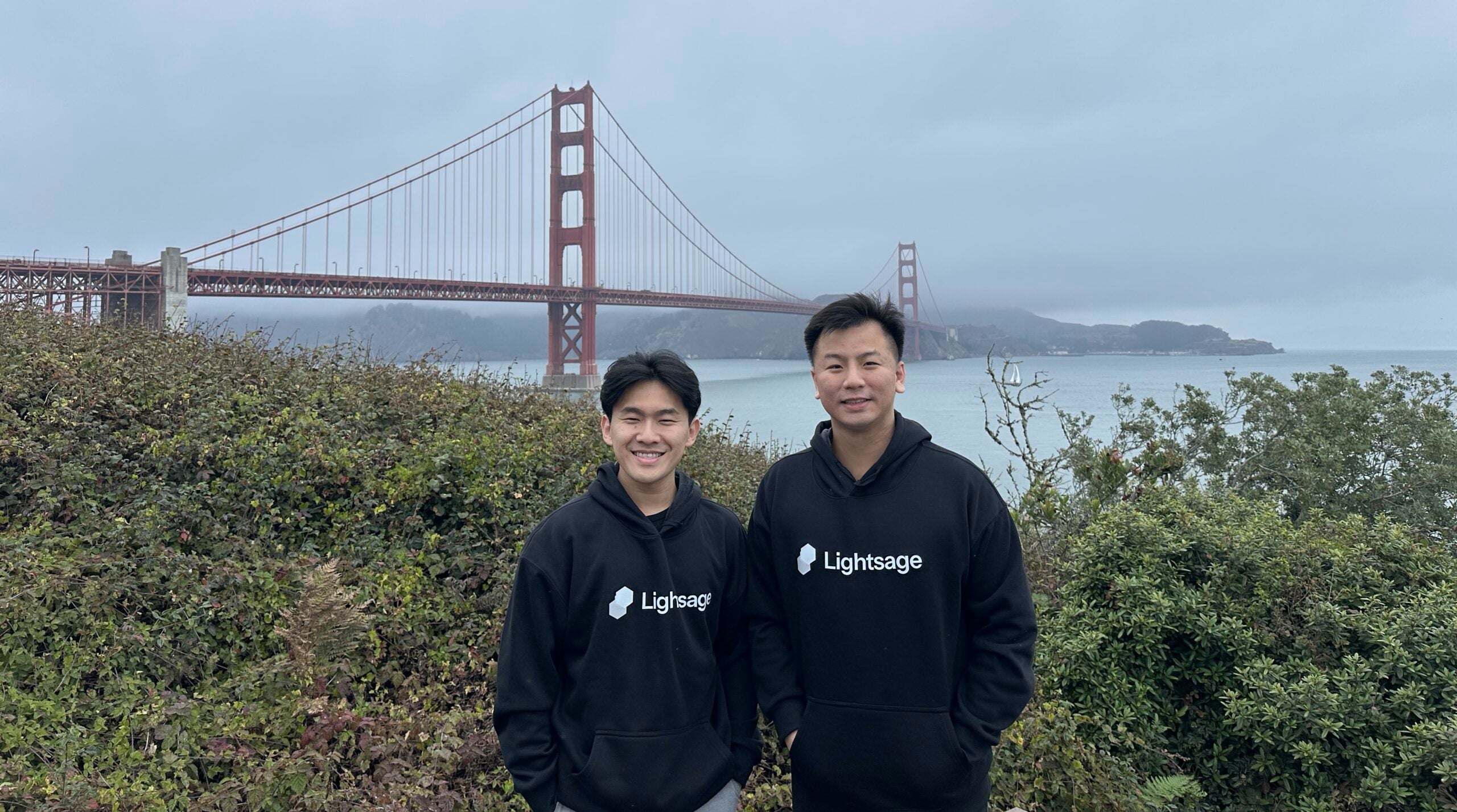
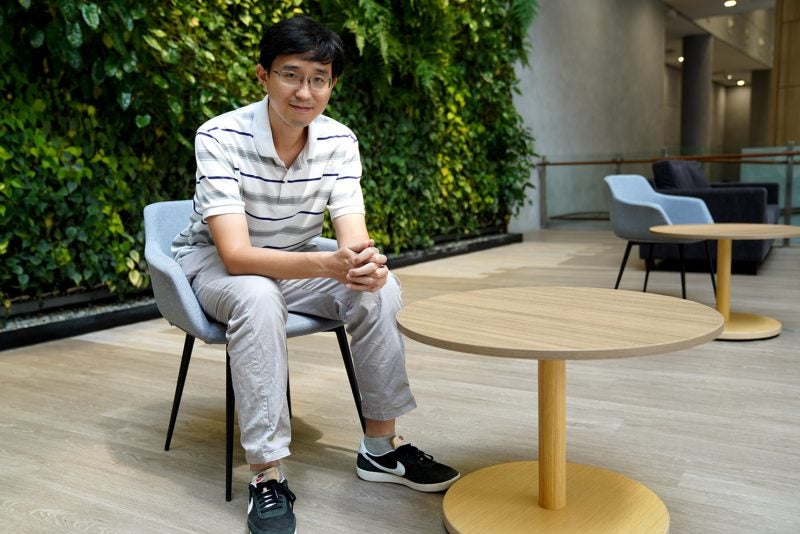
Sean Er finished his Bachelor of Computing in Computer Science at NUS this year. He has co-founded three start-ups.
In September, the third of them, Lightsage, announced a US$4 million seed round led by Nexus Venture Partners. According to Forbes, which covered the raise, the angel investors include current and former executives from companies such as Salesforce and GitLab. Sean is co-founder and Chief Technology Officer of the San Francisco company, which helps businesses understand how AI agents discover and use their products, and where those agents get stuck.
He started building companies while still a student
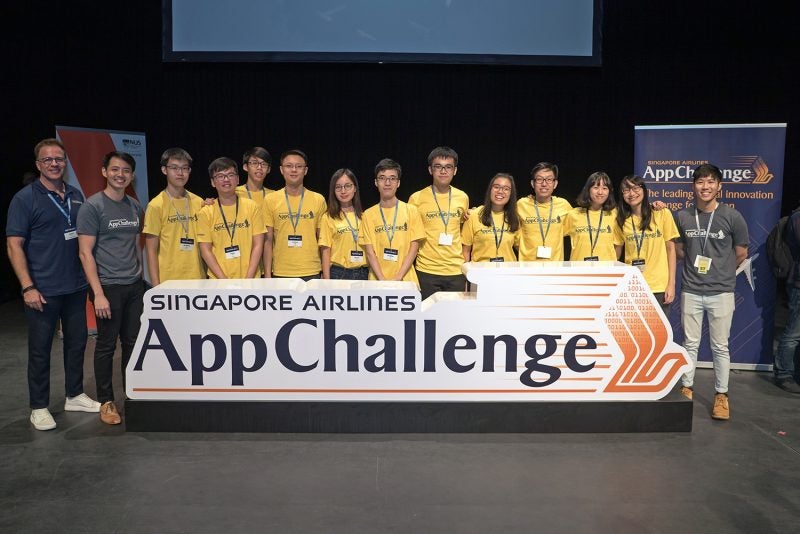
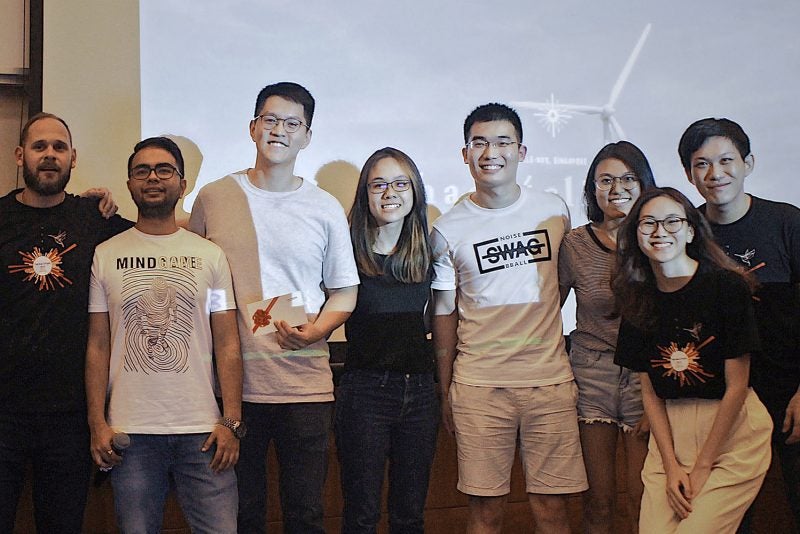
In 2023, Sean and Jun Liang Lee, an NUS Business School alum and now his Lightsage co-founder, received a grant from NUSX’s Venture Initiation Programme for API-Rex, their earlier venture. Sean then joined NOC Silicon Valley’s 44th batch and interned as a software engineer at Constructor.io.
“It was huge in helping me understand how people in Silicon Valley think,” he says. “They’re unafraid to try new things and take risks.”
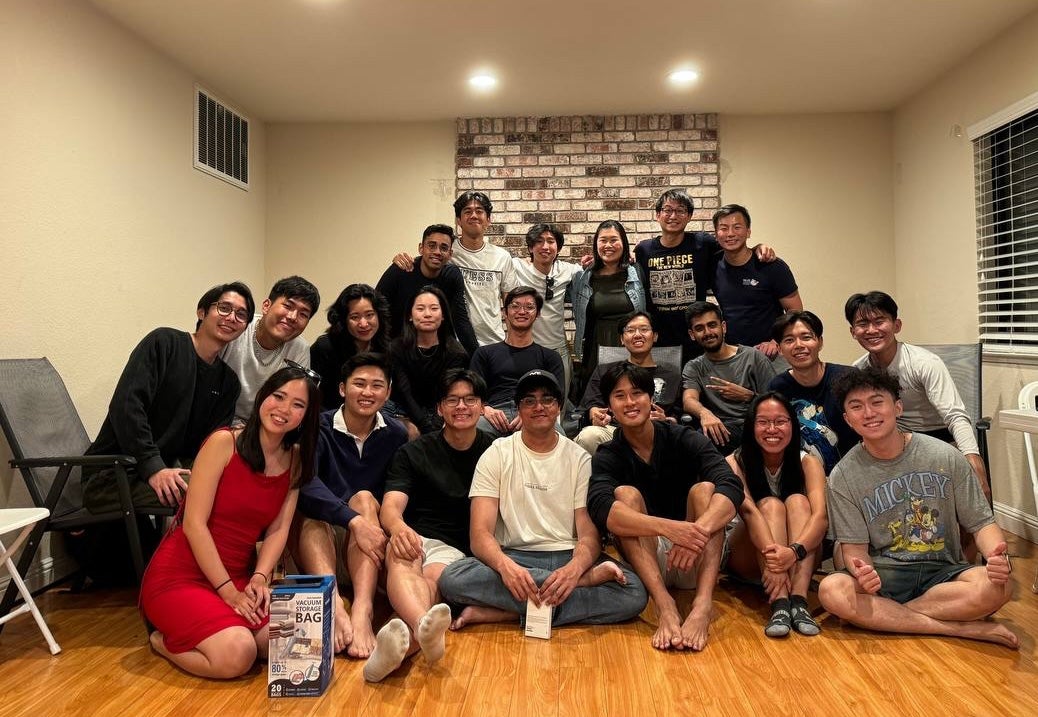
He later took a year’s leave of absence from his studies to go through Alchemist Accelerator in San Francisco with Sampleapp.ai, his second start-up, before resuming his degree.
“It was definitely different, given that my peers had graduated,” he says. “Juggling customer commitments while studying was a challenge. But I gained a deeper appreciation for what I was learning, because I could apply it to work immediately.”
Two NUS Computing modules still shape how he builds
Sean took CS2103 Software Engineering with Associate Professor Damith Chatura Rajapakse.
“It really emphasised how to build scalable systems and balance trade-offs,” he says. “As I’ve built more systems end-to-end, I’ve come to really appreciate that system design thinking.”
CS2102 Database Systems left a similar mark. “Designing a database properly has a huge effect on speed, especially with a lot of data,” he says.
At Lightsage, he draws on both directly, from how data flows through the system to whether it is built to scale.
Lightsage grew out of a change he saw in developer traffic
Earlier this year, Sean and Jun Liang noticed more AI agents using developer tools. As coding agents such as Claude Code and Cursor took off, developers were handing them the work of integrating APIs and connecting to MCP servers, which let agents plug into outside tools and data. The pair built Devtool Arena to test how well agents could use developer tools.
Sean describes agent experience as how easily an AI agent can use a product. Lightsage tests this by giving coding agents real tasks, such as working through a company’s documentation and calling its API. When an agent fails, the platform traces the cause, whether that is unclear documentation or a faulty endpoint. Teams can then fix the problem and rerun the task.
“We help companies identify and fix these friction points so agents can complete tasks more efficiently,” he says. “Our experience building developer tools gave us a deep understanding of the challenges companies face when making their products accessible and easy to use.”
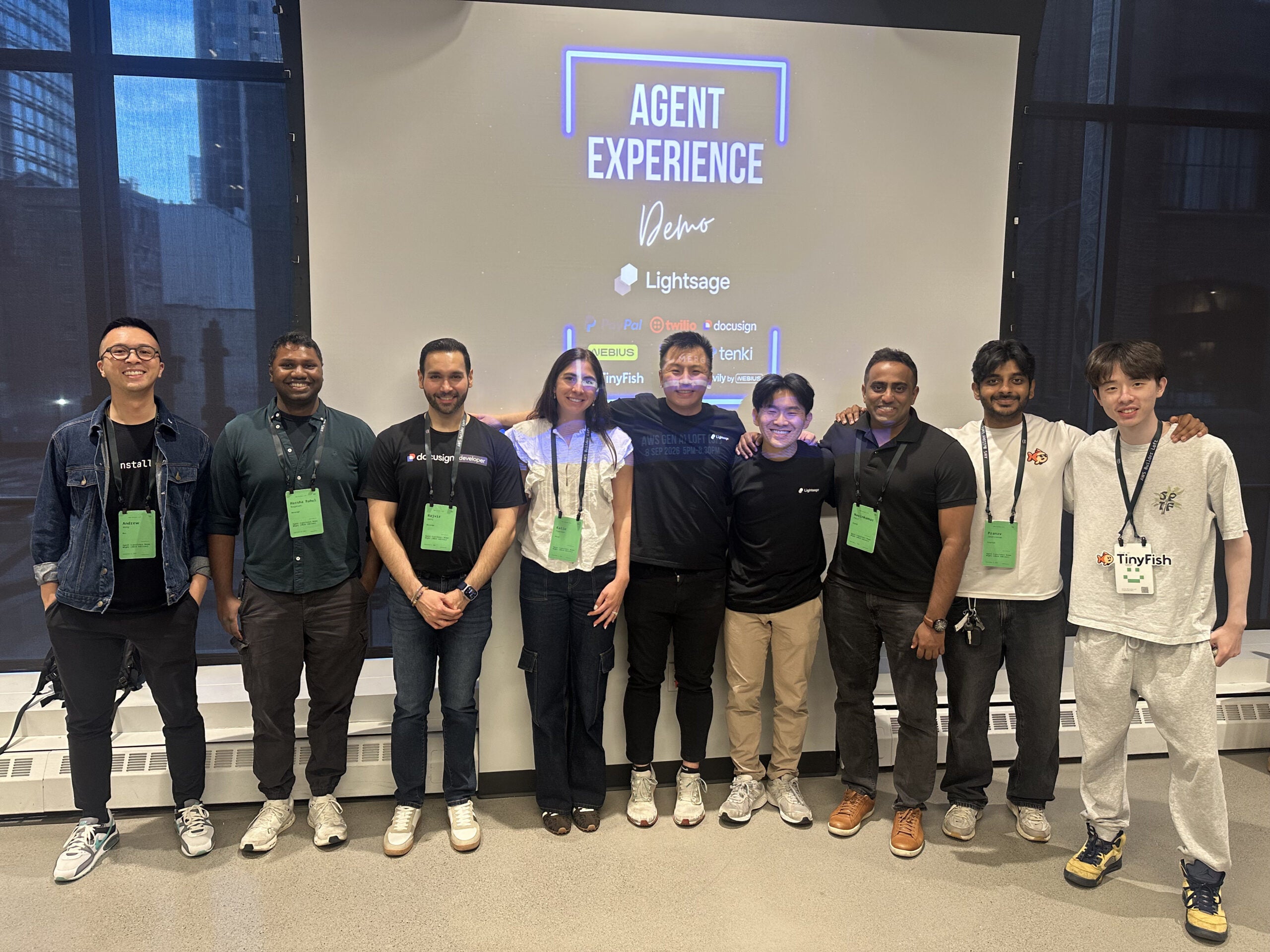
Sean’s focus now is on building the team
“Our goal is to build the best team of researchers and engineers to help companies win in agent-led growth,” Sean says.
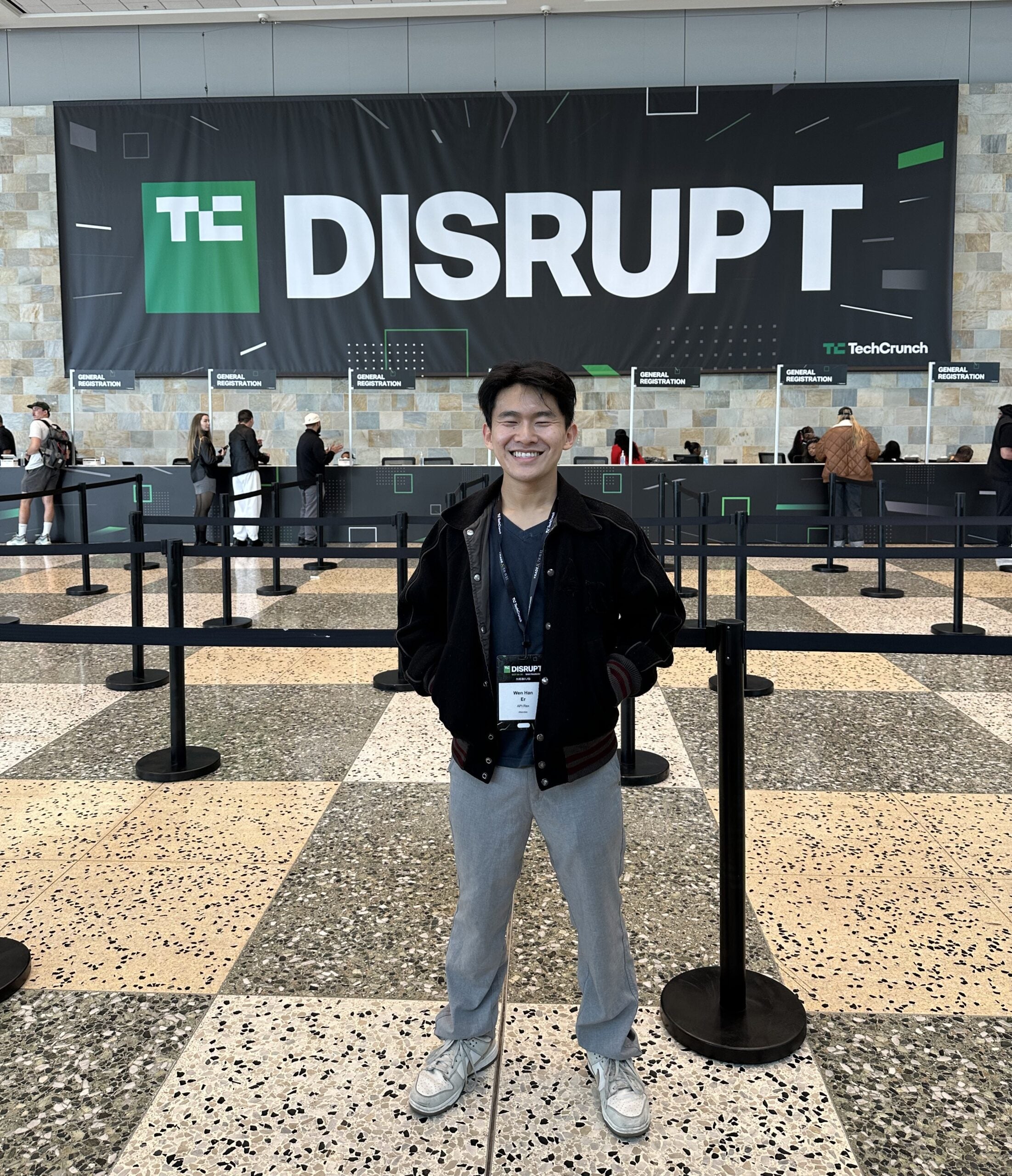
For NUS Computing students considering a similar route, he points to San Francisco itself. “Starting something of your own is absolutely worth doing,” he says. “Go to events and network widely. There are a lot of very smart people here to learn from.”