NUS School of Computing Welcomes 17 New Faculty Members
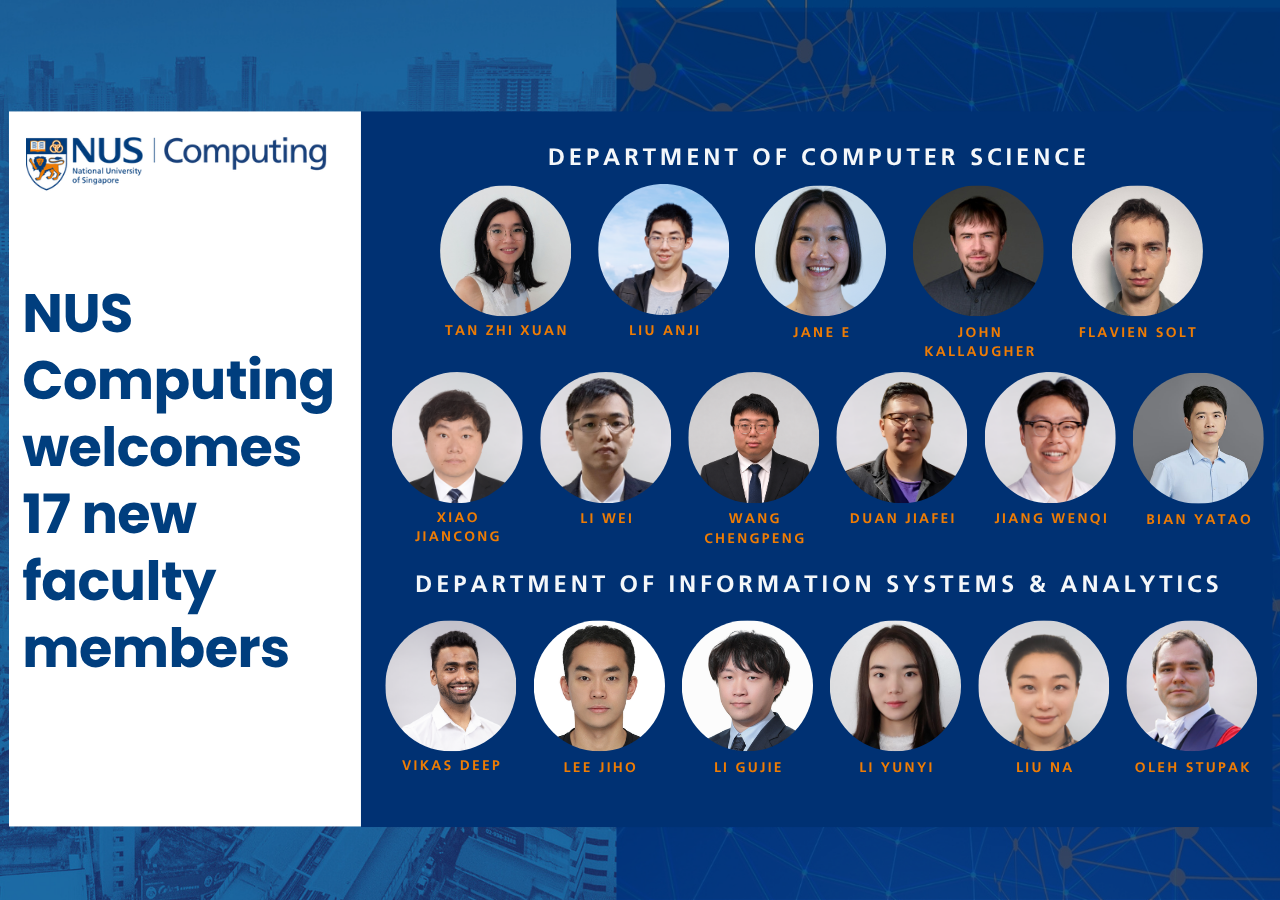
11 new Assistant Professors join the Department of Computer Science, and six join the Department of Information Systems and Analytics, marking one of NUS School of Computing’s largest faculty intakes in recent years.
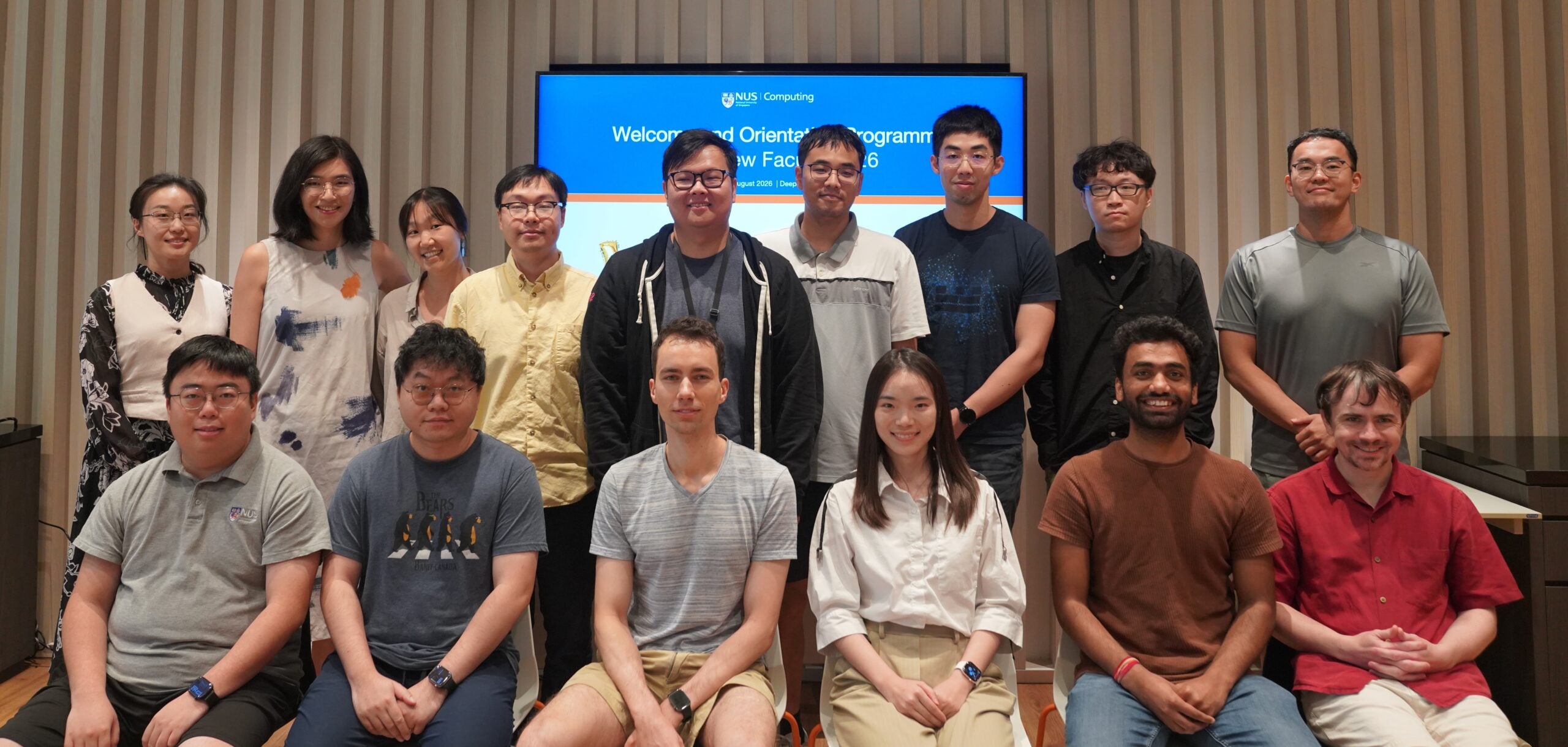
Department of Computer Science
Dr Tan Zhi Xuan
Research cluster: Foundations of Modern AI
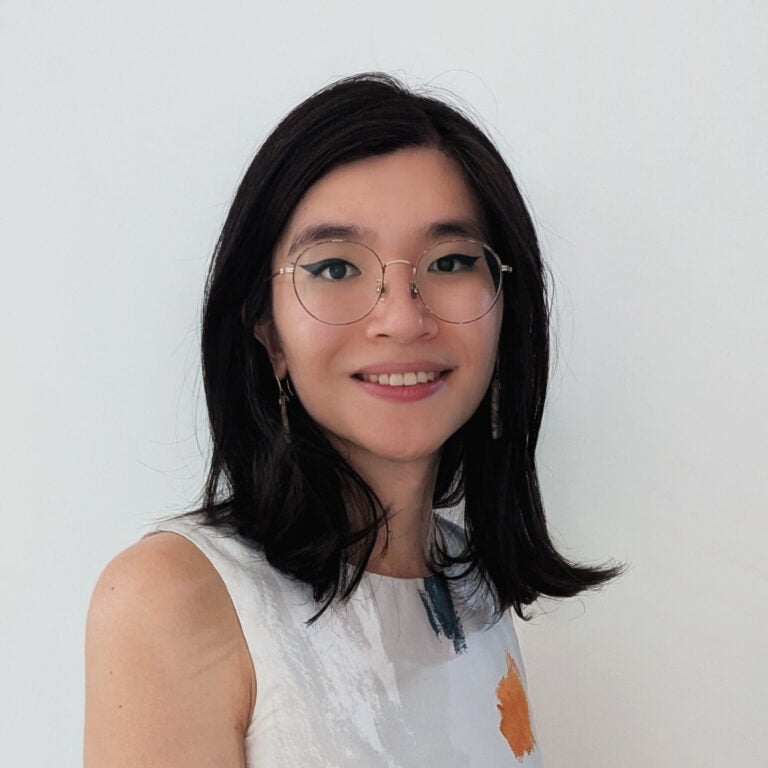
Dr Tan joined the Department of Computer Science as NUS Presidential Young Professor on 1 August 2025. Dr Tan obtained a PhD from the Massachusetts Institute of Technology, co-advised by Professor Josh Tenenbaum and Professor Vikash Mansinghka.
Her research focuses on building AI that can cooperate with humans and with other AI systems as safely and effectively as humans cooperate with each other, including the design of institutions and incentives that support such cooperation as more of the economy becomes automated. Dr Tan’s paper “Beyond Preferences in AI Alignment” has been published and cited within philosophy as well as computer science.
“I’ve been lucky to find a talented, hardworking, and curious group of students to work with at NUS Computing.”
Dr Liu Anji
Research cluster: Multimodal Information and Language-Centric AI
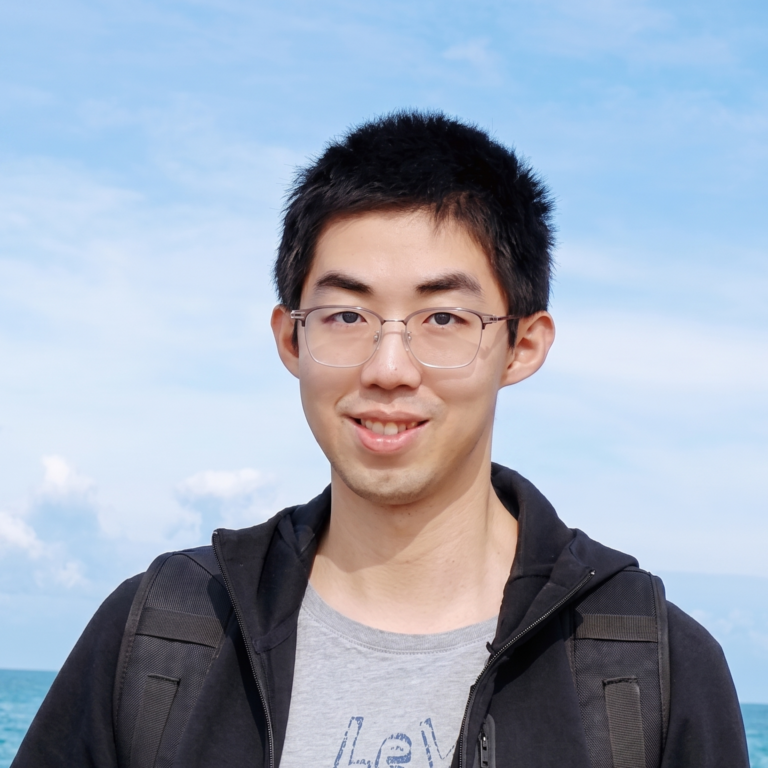
Dr Liu joined the Department of Computer Science as an NUS Presidential Young Professor on 4 August 2025 and holds the NUS Presidential Young Professorship. He obtained his PhD from the University of California, Los Angeles, advised by Professor Guy Van den Broeck.
His research focuses on the reliability of generative AI systems, designing models that reason about their own outputs so that what they produce can be steered and trusted, whether that means following a user’s instruction or satisfying a scientific or safety constraint. His recent paper, Coupled Discrete Diffusion (CoDD), lets diffusion language models produce coherent text in far fewer steps by capturing word-to-word dependencies these systems typically miss.
“NUS Computing gives me the freedom and resources to carry out my desired research in the best possible way. I’m now surrounded by amazing people and many great opportunities.”
Dr Jane E
Research Area: Human-Centred AI, Interaction, and Intelligent User Interfaces
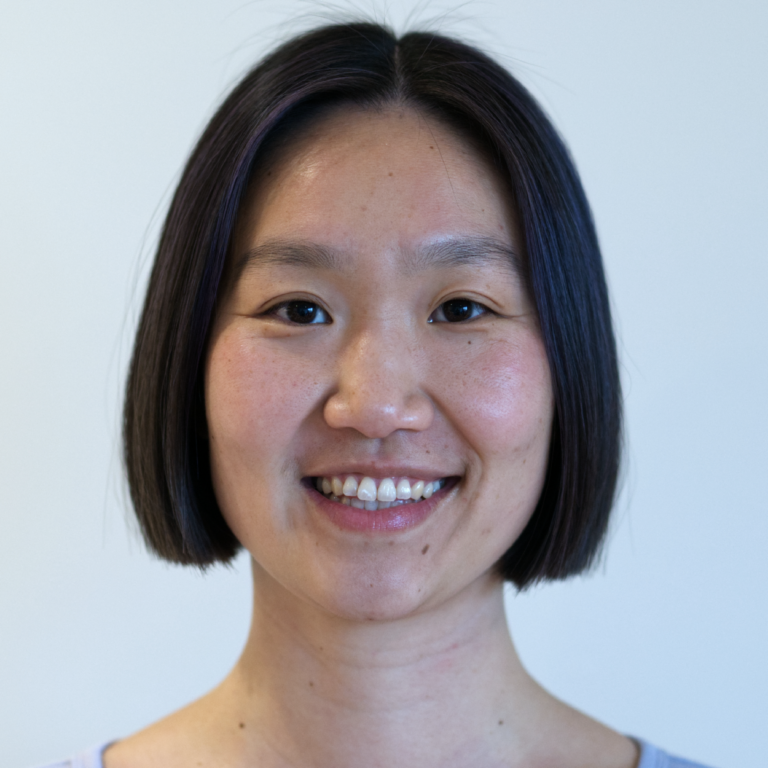
Dr E joined the Department of Computer Science as an Assistant Professor on 22 September 2025. She obtained her PhD from Stanford University, advised by Professor James Landay and Professor Pat Hanrahan, and most recently held a Stanford HAI Postdoctoral Fellowship.
Her research designs computational tools that help people develop domain expertise, particularly in creative fields, with a focus on how technology can help novices develop their own judgment rather than being guided only toward predetermined outcomes. Her paper “VizCrit” examines how different types of design feedback shape novices’ creativity and learning.
“I’m especially excited to bring more artists’ voices into our work, to think about cultural differences in how technology, and the norms embedded in it, is influencing creative practices.”
Dr John Kallaugher
Research Area: Quantum Computing

Dr Kallaugher joined the Department of Computer Science as an Assistant Professor on 17 November 2025. He obtained his PhD from the University of Texas at Austin, advised by Professor Eric Price, and joins from Sandia National Labs in Albuquerque, New Mexico.
His research is in quantum computing, in particular what can be achieved with very limited resources, such as processing large datasets with few qubits, or answering questions about a complex quantum system with limited access to it. His research includes a paper identifying what he describes as the first natural computational problem to exhibit exponential quantum space advantage.
“NUS has a vibrant community of quantum computing researchers, and I’m looking forward to exploring new collaborations as well as pursuing existing ones.”
Dr Flavien Solt
Research Area: Computer Architecture and Embedded Systems
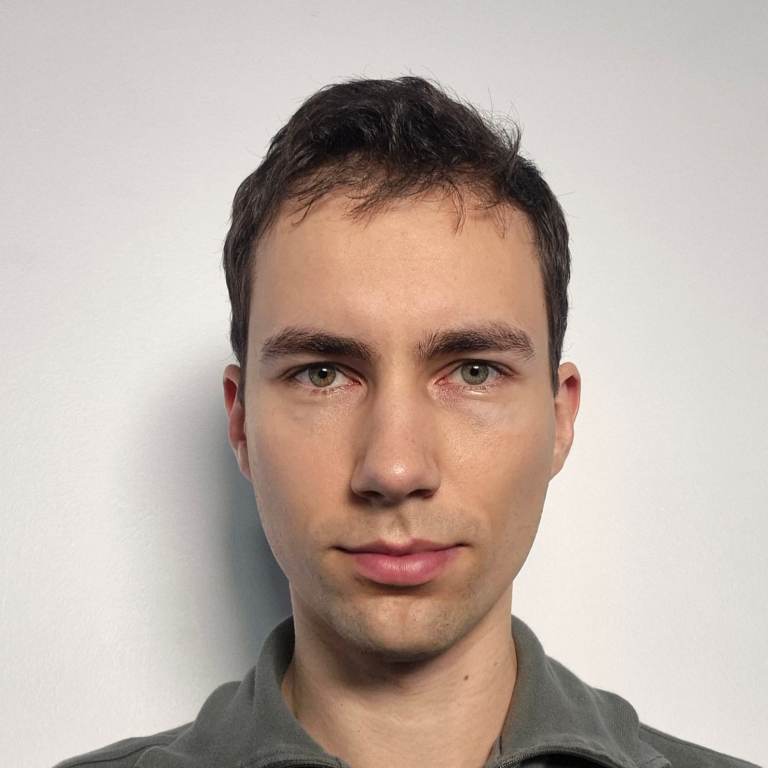
Dr Solt joined the Department of Computer Science as an Assistant Professor on 5 January 2026. He obtained his PhD from ETH Zurich, advised by Professor Kaveh Razavi, and joins from the University of California, Berkeley.
His research develops techniques for hardware systems that are both secure and efficient. “We hack hardware to better defend it,” he said. Dr Solt and collaborators at Microsoft Research received a Distinguished Paper award at the 2026 IEEE Symposium on Security and Privacy for their paper, which uncovered four previously undocumented vulnerabilities in processors used across cloud computing, including two confirmed by AMD.
“NUS Computing is a renowned blend of bright students and colleagues. I’m excited to see what we can build together.”
Dr Xiao Jiancong
Research area: Trustworthy Machine Learning, Privacy, and Adversarial Robustness
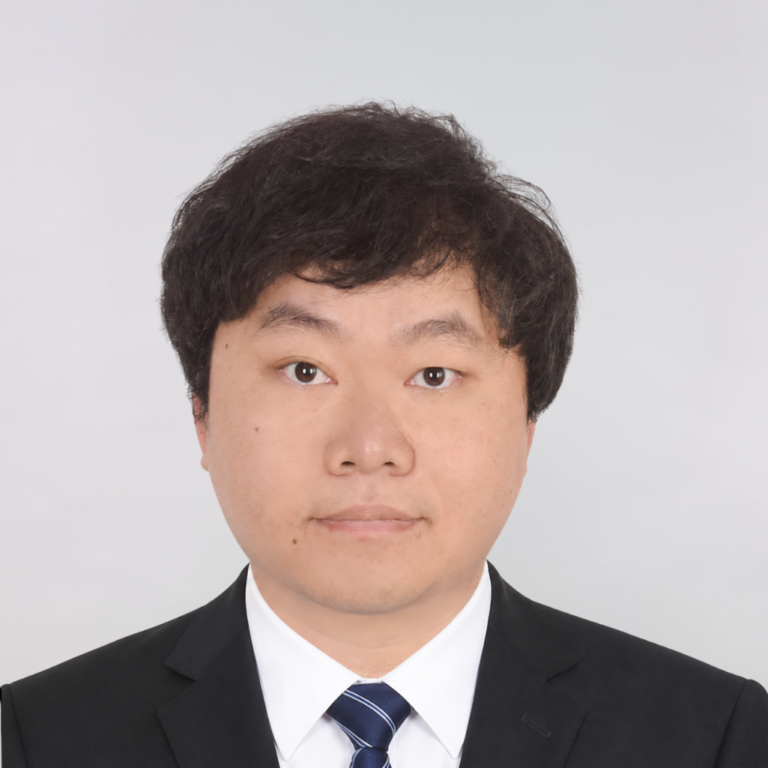
Dr Xiao joined the Department of Computer Science as an Assistant Professor on 1 July 2026. He obtained his PhD from the Chinese University of Hong Kong, Shenzhen, advised by Professor Zhi-Quan (Tom) Luo, and joins from a postdoctoral position at the University of Pennsylvania.
His research sits at the intersection of learning theory, statistics, and optimisation, developing theoretical foundations for responsible and trustworthy AI, including preference alignment, fine-tuning, post-training, calibration, and algorithmic bias in large language models. His work has been published in JMLR, Annals of Statistics, JASA, COLT, NeurIPS, ICML, and ICLR.
“I’m excited to join NUS Computing because of its outstanding research environment and strong AI community. I look forward to collaborating with colleagues and building a research group working on the theoretical foundations of AI.”
Dr Li Wei
Research area: Hardware Security & Systems
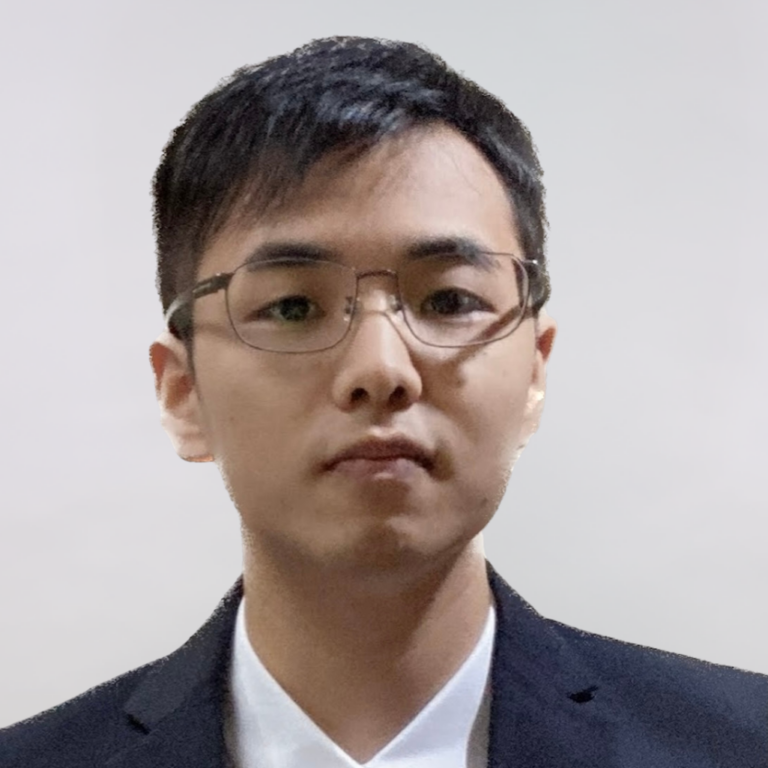
Dr Li joined the Department of Computer Science as an Assistant Professor on 1 July 2026. He obtained his PhD from Carnegie Mellon University, advised by Professor Shawn Blanton and Professor Jose Moura.
His research focuses on making computer chip design and testing faster, smarter, and more reliable. His recognitions include the ML and Systems Rising Stars 2026, the Apple PhD Fellowship, the Qualcomm Innovation Fellowship, the Best Paper Award at ASP-DAC, and the Faculty Outstanding Thesis Award at CUHK.
“I was drawn to NUS Computing by Singapore’s strong commitment to the semiconductor industry and the opportunity to work with world-class faculty and highly talented students.”
Dr Wang Chengpeng
Research area: Secure Systems & Software
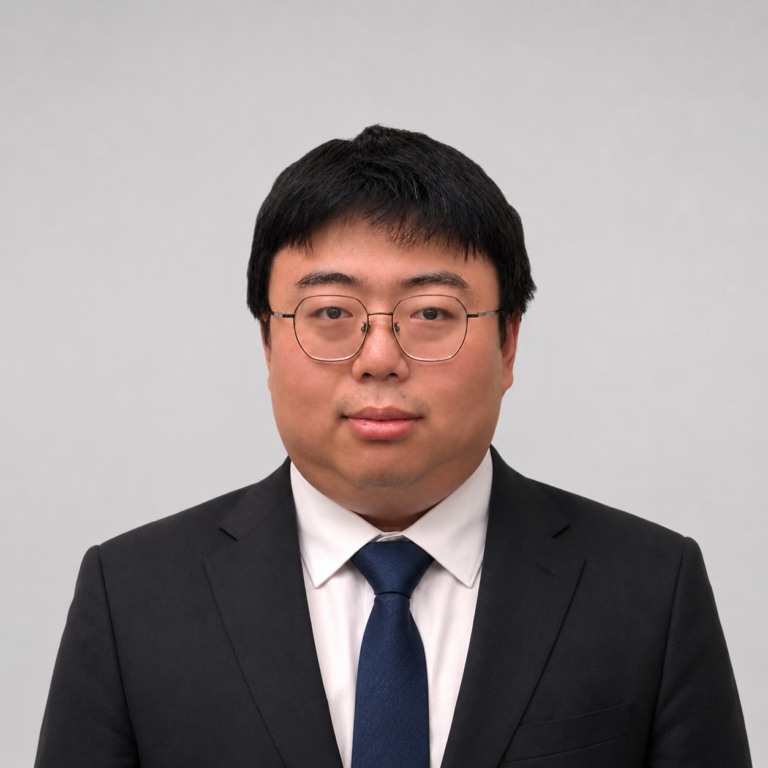
Dr Wang joined the Department of Computer Science as an Assistant Professor on 6 July 2026. He obtained his PhD from the Hong Kong University of Science and Technology in 2024, advised by Professor Charles Zhang, and joins from a postdoctoral position at Purdue University.
His research focuses on making software more reliable and secure, developing techniques that help computers automatically find bugs and reason about code, with more recent work applying these ideas to trustworthy AI systems and AI-powered software engineering tools. His recognitions include the ACM SIGPLAN Distinguished Paper Award and the ACM SIGARCH Best Paper Award.
“NUS Computing offers an outstanding research environment and strong interdisciplinary opportunities that make it an ideal place to pursue impactful research. I am particularly excited about building trustworthy AI agents by combining advances in AI with the theory and practice of program analysis.”
Dr Duan Jiafei
Research area: Embodied Intelligence
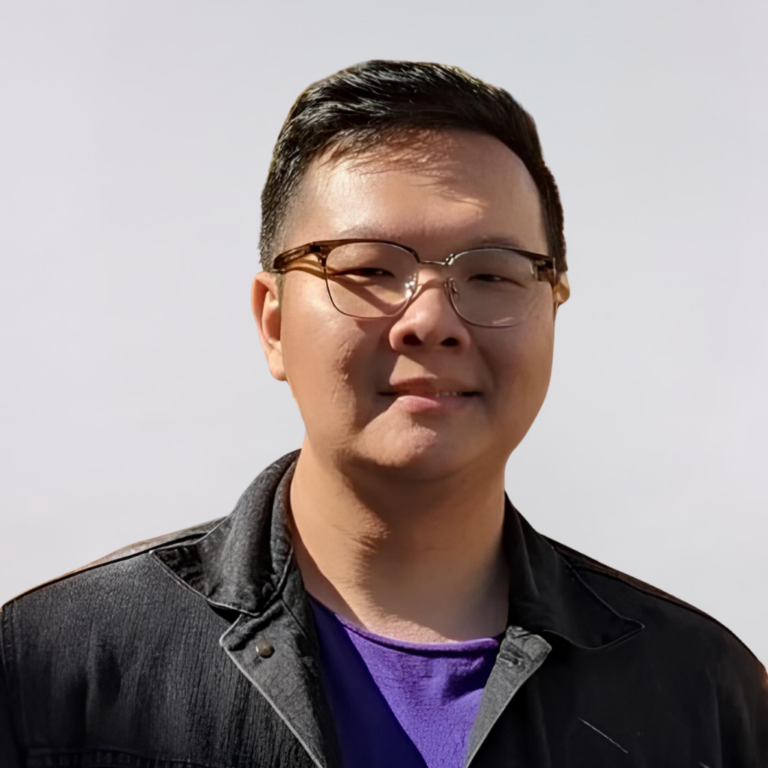
Dr Duan joined the Department of Computer Science as an NUS Presidential Young Professor on 14 July 2026. He obtained his PhD from the University of Washington, advised by Professor Dieter Fox and Professor Ranjay Krishna.
His research focuses on teaching robots to perceive, reason, and act in the real world, and he is an author of the MolmoAct series of robotics models. His recognitions include being a CVPR Spatial Intelligence Rising Star Finalist and the Ubiquitous Robots Best Paper Award.
“NUS Computing’s vibrant research environment, particularly its critical mass of robotics researchers, offers the collaborative community I need to push my work further. I am excited to work on building data-efficient robotics foundation models.”
Dr Jiang Wenqi
Research area: Large-Scale Machine Learning Systems And AI Infrastructure
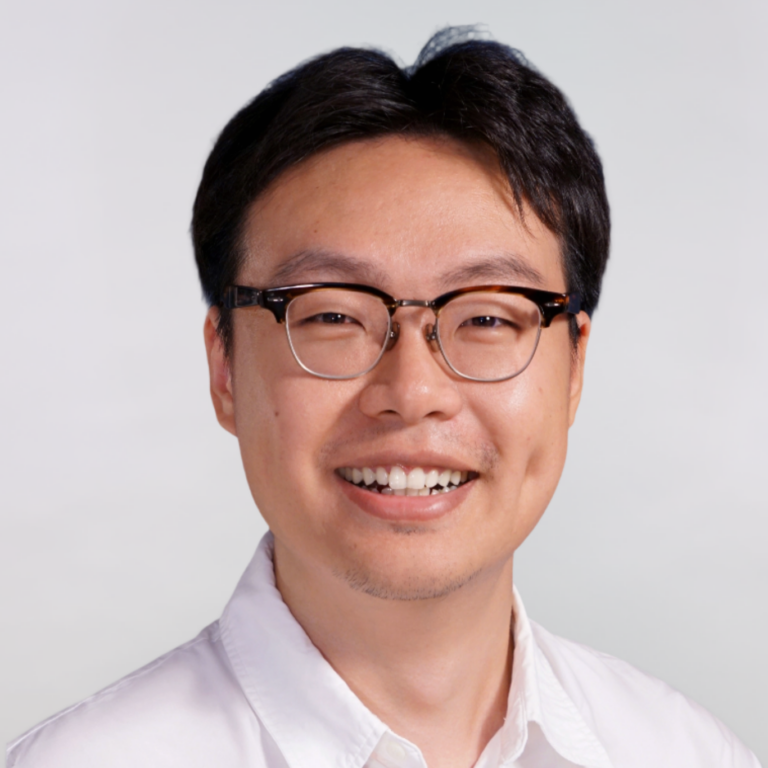
Dr Jiang joined the Department of Computer Science as an Assistant Professor on 20 July 2026. He obtained his PhD from ETH Zurich, advised by Professor Gustavo Alonso and Professor Torsten Hoefler, and joins from a Research Scientist position at NVIDIA Research.
Dr Jiang’s research builds machine learning systems that make AI applications faster, more efficient, and easier to scale, spanning databases, computer systems, computer architecture, and their intersections with agentic and physical AI. His dissertation received the 2026 ACM SIGMOD Jim Gray Dissertation Award, and his work has also received a VLDB Best Scalable Data Science Paper Award.
“I am excited by NUS Computing’s strong systems and AI community, and by the opportunity to work with talented students to build the next generation of efficient AI systems.”
Dr Bian Yatao
Research area: AI for Scientific Discovery
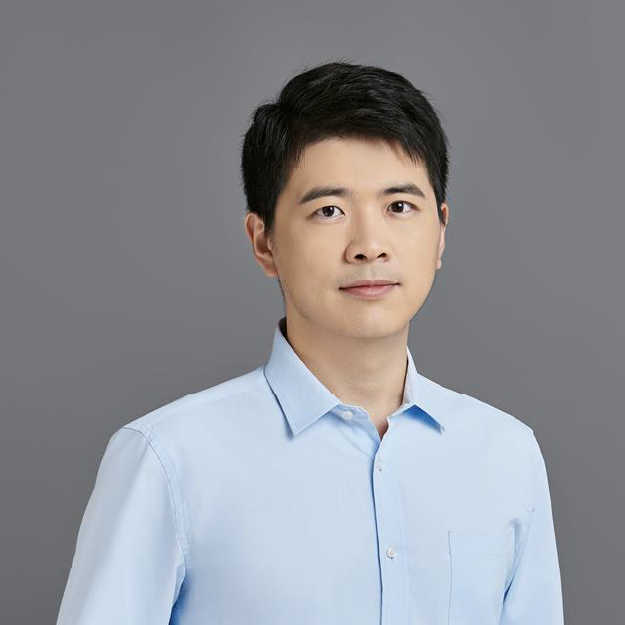
Dr Bian joined the Department of Computer Science as an Assistant Professor on 10 October 2025. He obtained his PhD from ETH Zurich, advised by Professor Joachim M. Buhmann, and joins from a Senior Research Scientist position at Tencent AI Lab.
His research develops AI systems that can reason about scientific problems, particularly those involving molecules, proteins, and materials, combining foundation models, entropy-based learning, and scientific knowledge to make AI-driven discovery more reliable and generalisable. His recognitions include a Singapore National Research Foundation Fellowship, a Microsoft Research Asia StarTrack Scholar title in 2026, an Oral paper and a Spotlight paper at NeurIPS 2025.
“I was drawn to NUS Computing by its outstanding strengths in AI, its highly interdisciplinary research environment, and its ambition to translate computing research into real scientific impact.”
Department of Information Systems & Analytics (DISA)
Dr Vikas Deep
Research area: Digital Economics & Platform Systems
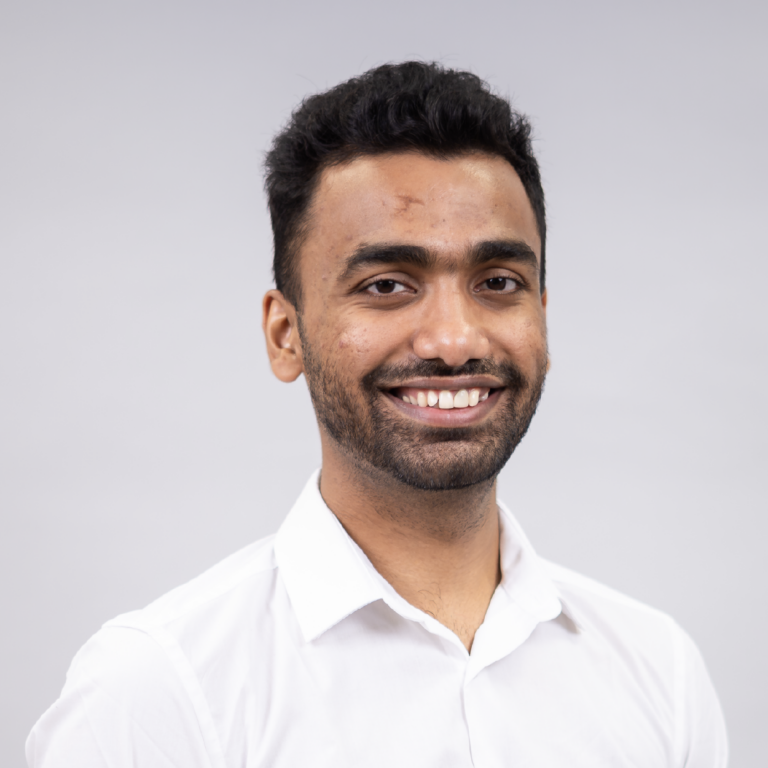
Dr Deep joined DISA as an Assistant Professor on 26 June 2025. He obtained his PhD from the Kellogg School of Management, Northwestern University, advised by Professor Achal Bassamboo.
His research develops experiments to address problems faced by modern online platforms, including how to make experimentation more accessible and accurate for ridesharing and recommender systems.
“I am working on how to make the experimentation culture more accessible and accurate for ridesharing and recommender systems on online platforms.”
Dr Lee Jiho
Research area: Digital Platforms, Online Communities, and the Future of Work
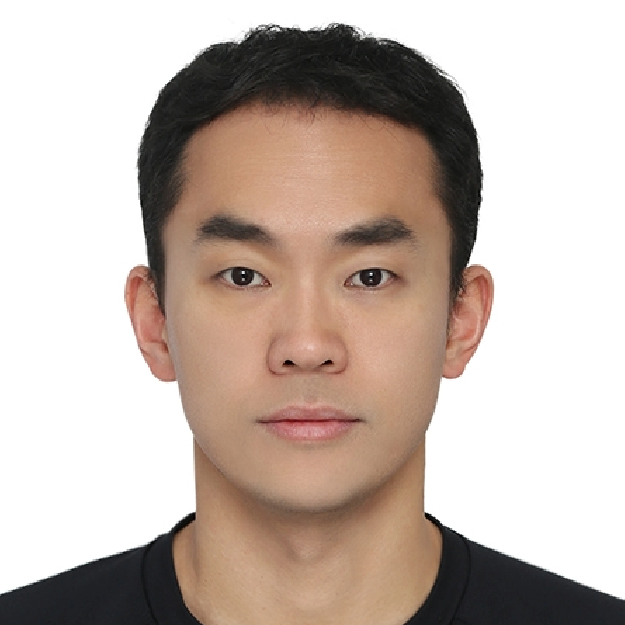
Dr Lee joined DISA as an Assistant Professor on 1 July 2025. He obtained his PhD from Boston University, advised by Professor Gordon Burtch and Professor Chrysanthos Dellarocas, and joins from Boston University’s Questrom School of Business.
His research examines what happens when for-profit digital platforms commercialise volunteer contributions or replace them with paid work or AI, and how these changes affect contributors and the platforms that depend on them. His research on monetising volunteer-driven platforms was featured in Harvard Business Review.
“I was especially drawn to NUS Computing by the scale and exceptional talent of its student community, the abundant resources for research and entrepreneurship, and the opportunity to work alongside outstanding scholars as colleagues and mentors.”
Dr Li Gujie
Research area: Human-AI Interaction and Digital Platforms
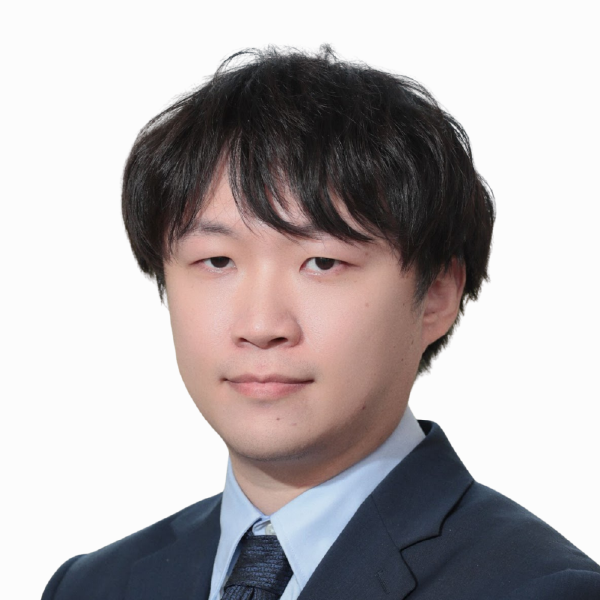
Dr Li joined DISA as an Assistant Professor on 21 July 2025. He obtained his PhD from the Robert H. Smith School of Business, University of Maryland, advised by Professor Jui Ramaprasad.
His research focuses on human behaviour in platform- and algorithm-mediated contexts, including digital platform design and human-AI interaction, with a focus on applying this research to healthcare and algorithmic bias. His papers include a Best Paper Nomination at the 36th Workshop on Information Systems and Economics 2025 and a Best Student Paper Runner-up at the Conference on Information Systems and Technology 2025.
“I am excited to continue pursuing my research passion for leveraging technology and AI for social good, including mitigating bias, promoting healthcare, and creating meaningful real-world impact.”
Dr Li Yunyi
Research area: Trustworthy AI & Human-AI Collaboration

Dr Li joined DISA as an Assistant Professor on 1 July 2026. She obtained her PhD in Information Systems–Computational Data Science from the University of Texas at Austin’s McCombs School of Business, advised by Professor Maytal Saar-Tsechansky.
Her research focuses on advancing trustworthy AI systems through data integrity and human-AI collaboration. Her research has been published in the INFORMS Journal on Computing, HCOMP, and Notices of the American Mathematical Society, and has been supported by an NSF Big Data Grant and the Good Systems Award for Ethical AI Research.
“I’m excited to join NUS Computing because of its thriving and collaborative community. I’m particularly looking forward to working with amazing researchers to conduct impactful research that advances responsible AI.”
Dr Liu Na
Research area: Digital Platform Economics & AI, Pricing
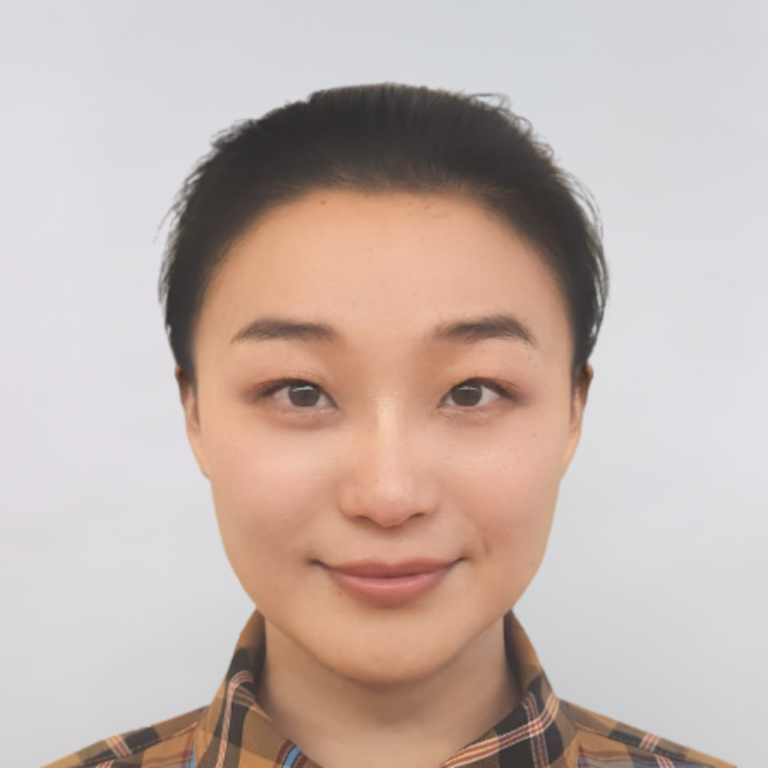
Dr Liu joined the Department of Information Systems and Analytics as an Assistant Professor on 13 July 2026. She obtained her PhD from Cornell University, advised by Professor Chris Forman, and joins from a visiting position at Tsinghua University.
Her research examines multi-sided digital markets, advertising, and commission fees and pricing in user-generated and AI-generated content. Her job market paper uses econometric analysis of a platform’s removal of ad link commission fees to trace its effects on advertiser behaviour, platform revenue, and creator engagement, by her account offering early causal evidence on these cross-market tradeoffs.
“I’m excited to explore pricing in AI tools and human-AI interactions in generated content and personalised goods.”
Dr Oleh Stupak
Research area: Economics of Security & Digital Systems
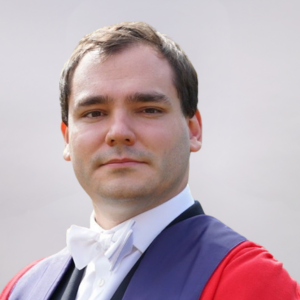
Dr Stupak joined the Department of Information Systems and Analytics as an Assistant Professor on 12 January 2026. He obtained his DPhil in Cyber Security from the University of Oxford, advised by Professor Greg Taylor and Professor Alexei Parakhniak, and joins from Corpus Christi College, University of Cambridge.
His research lies at the intersection of economics, game theory, and computing, studying how strategic interactions shape networks, cybersecurity, artificial intelligence, and digital platforms. He was awarded the William Cook Early-Career Research Fellowship at Cambridge immediately after completing his DPhil, a prestigious fellowship that supports outstanding early-career researchers pursuing independent research.
“NUS Computing offers a unique interdisciplinary environment to explore new ideas, experiment across disciplines, and collaborate with world-class colleagues on challenges at the intersection of AI, cybersecurity, economics, and digital technologies.”