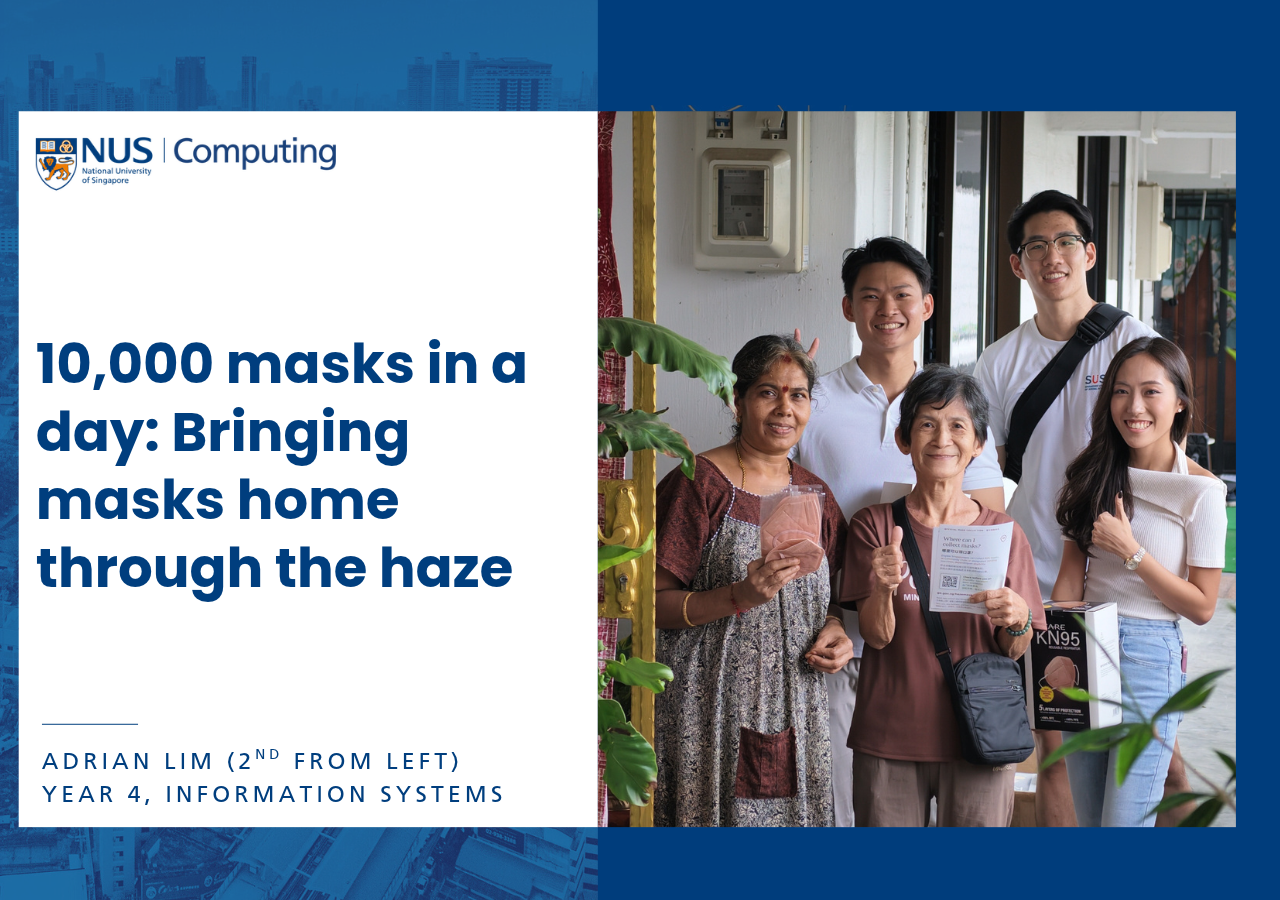
10,000 Masks In a Day: Bringing Masks Home Through the Haze
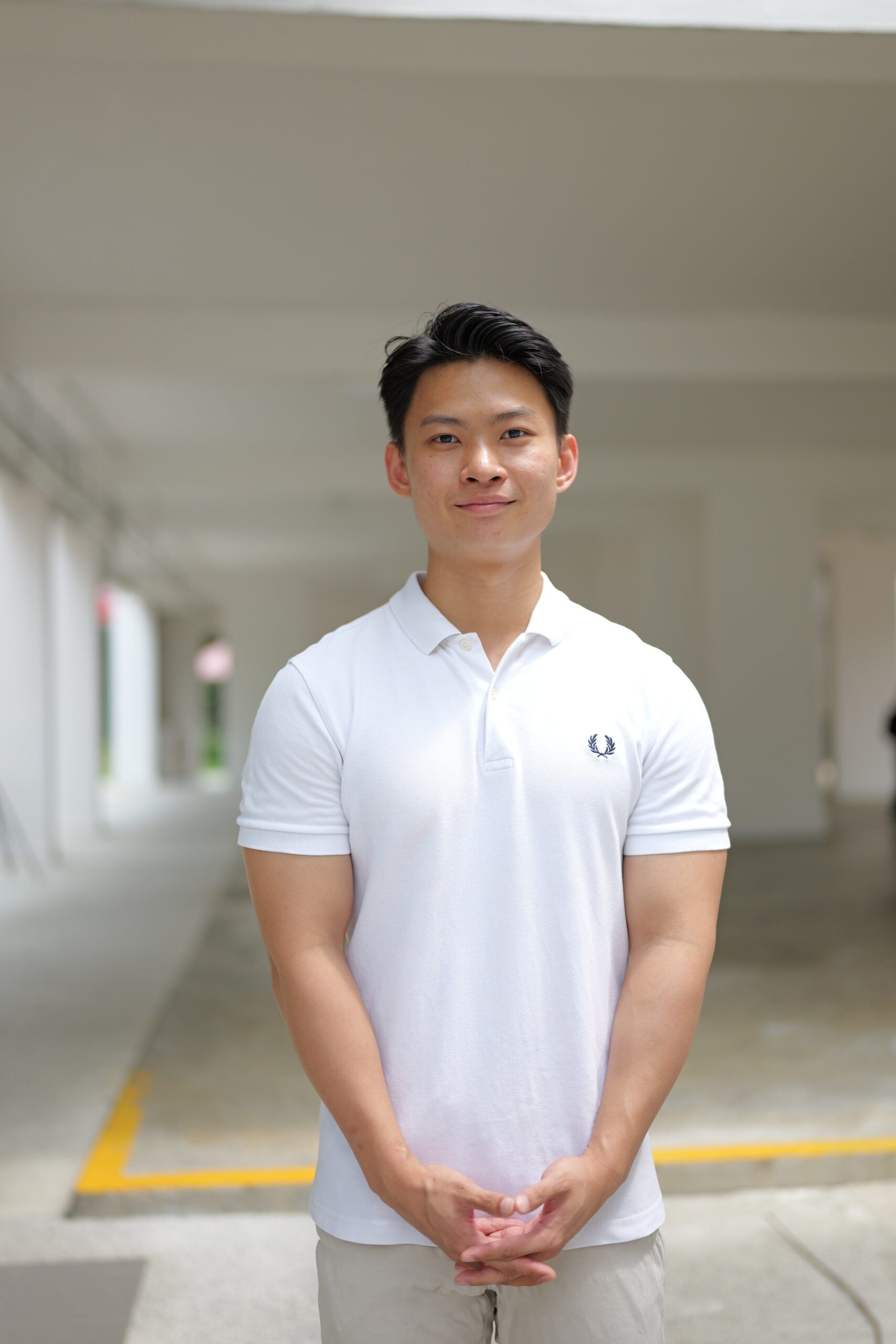
Year 4 Information Systems student Adrian Lim started SG As One in October to bring masks to residents who struggled to collect them. On 25 October, the initiative gave out 10,000 masks in a single day.
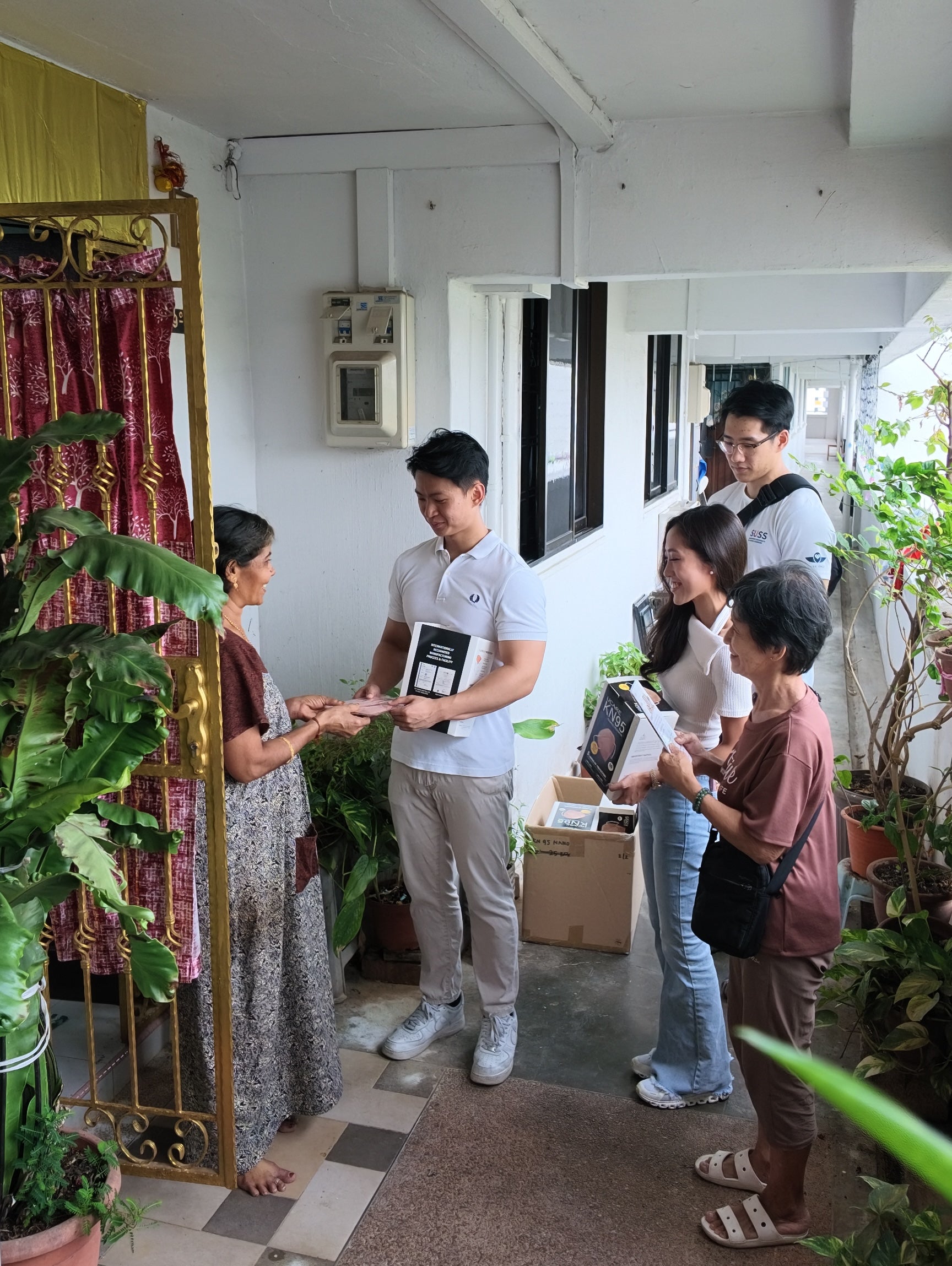
The 85-year-old uncle was confused at first when Adrian Lim told him the masks were free. As they talked, the uncle mentioned that he had cataracts. His vision had been blurry for a while, and he hadn’t realised there was haze. He had been going out without a mask.
“It made the purpose of the initiative feel very real,” says Adrian, a Year 4 Information Systems student at NUS Computing. “It also taught me to slow down and listen. Something that seems obvious to me may not be obvious to the person I’m trying to help.”
(Photo: Singapore Government Partnerships Office)
The idea started with his own family
Adrian’s father drives a taxi, and his grandmother goes around collecting cardboard and bottles to keep herself busy. When the haze returned this October, both of them kept heading out.
“Not everyone can simply stay indoors,” he says. “I wanted to do something practical rather than just worry about it.”
The government had been giving out free N95 masks at community clubs and vending machines since 14 October. Adrian was thinking of the seniors who might not manage the trip to a collection point, or who didn’t know where to find one. He wanted to bring the masks to their doorstep.
He built the website on his own
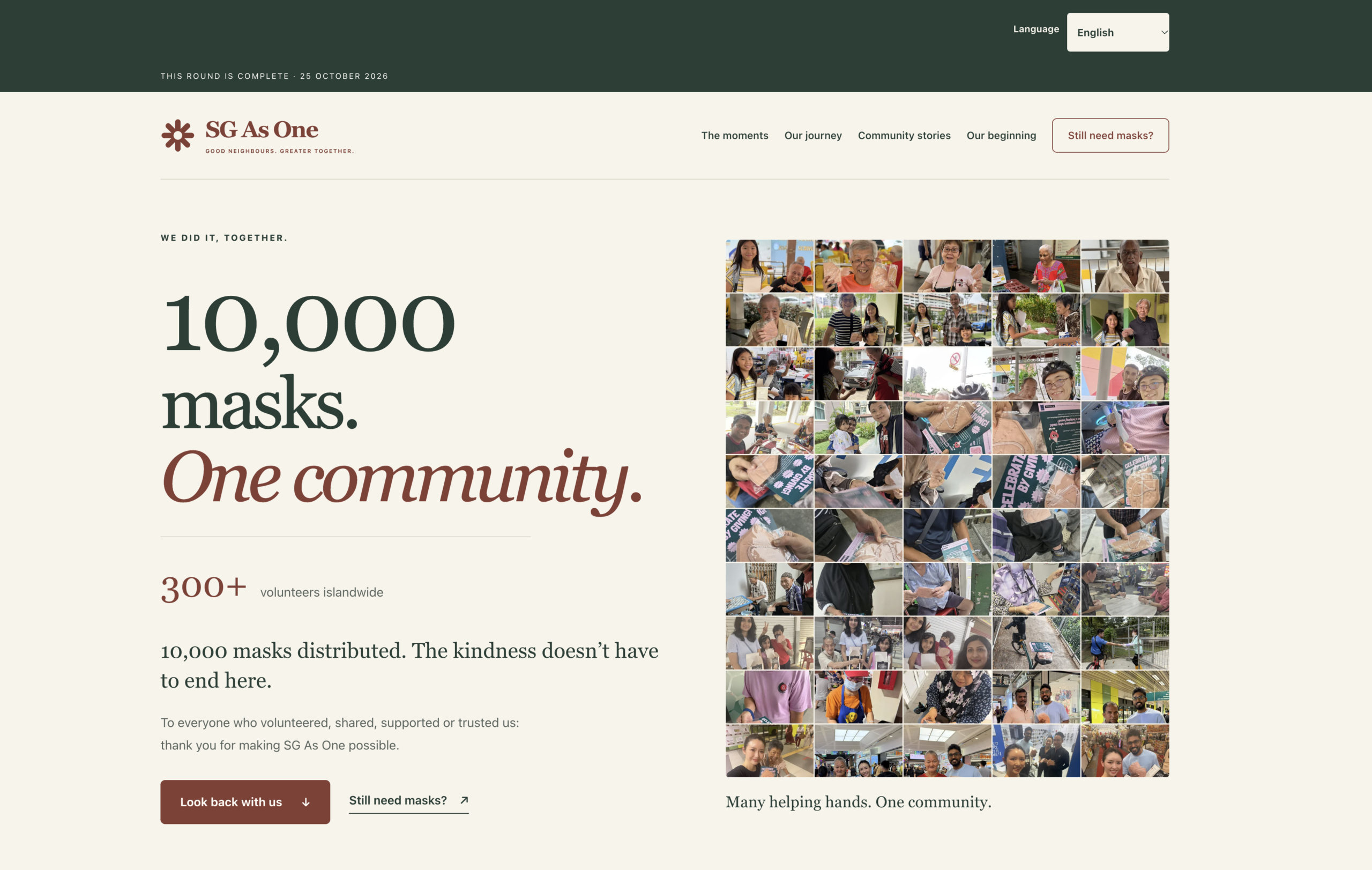
The SG As One website went live on 16 October, and Adrian shared it on Reddit. His call for a co-developer drew no takers, so he built and refined the site himself with AI tools. It runs in English, Chinese, Malay and Tamil.
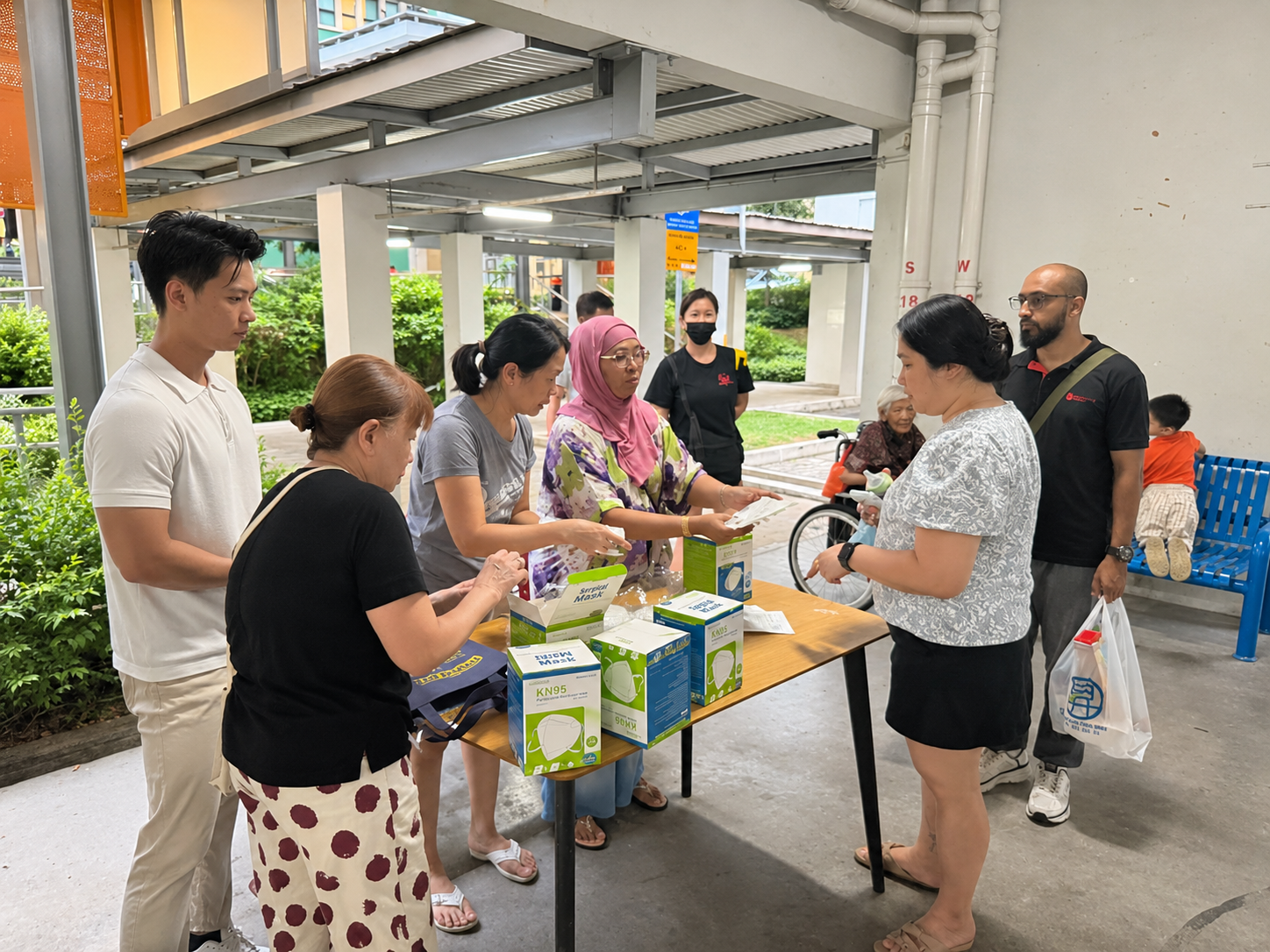
Residents requesting masks give only their postal sector. “Block hosts”, volunteers who gather requests within their own HDB block, pass on a total count for their neighbours.
(Photo: SG As One)
“I wanted it to be straightforward to ask for help without sharing more information than necessary,” he says. Exact delivery details are arranged later, when they’re needed. “The idea was to collect information in stages rather than ask everyone for everything upfront.”
He also leans on an AI assistant he calls Jarvis to organise information and plan coordination. Deciding how to present the initiative, so that people would trust it as a genuine effort to help, was a judgement he made himself. “AI could assist,” he says, “but responsibility stayed with me.”
Ordering masks was harder than building the site
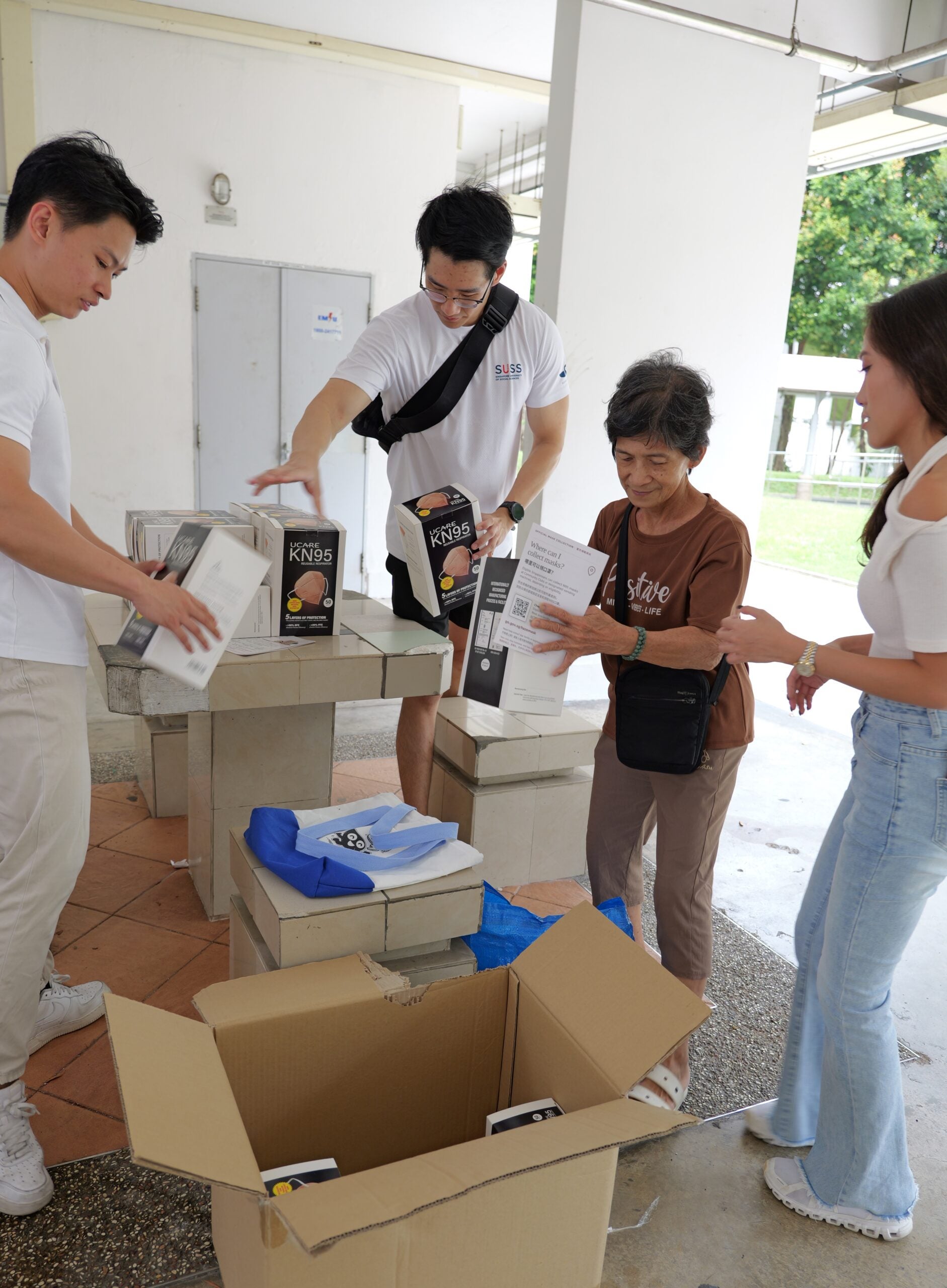
Every order was a guess at demand. Overbuying risked leaving him with unsold stock and money tied up in it, while a shortfall could send him to resellers charging much higher prices.
(Photo: Singapore Government Partnerships Office)
Adrian paid for the first 3,000 masks himself and ended up covering about 95% of the initiative’s costs, more than S$5,000 of his own money. The Give Collective and a donor named Firdaus contributed the rest.
The first deliveries went out on 20 October. On Sunday 25 October, volunteers handed out 10,000 masks. Over the course of the initiative, they set up at shopping malls and coffee shops in Tampines, Yishun, Buona Vista and Pasir Ris, visited migrant worker dormitories and went door to door. One volunteer even took a batch to Pulau Ubin.
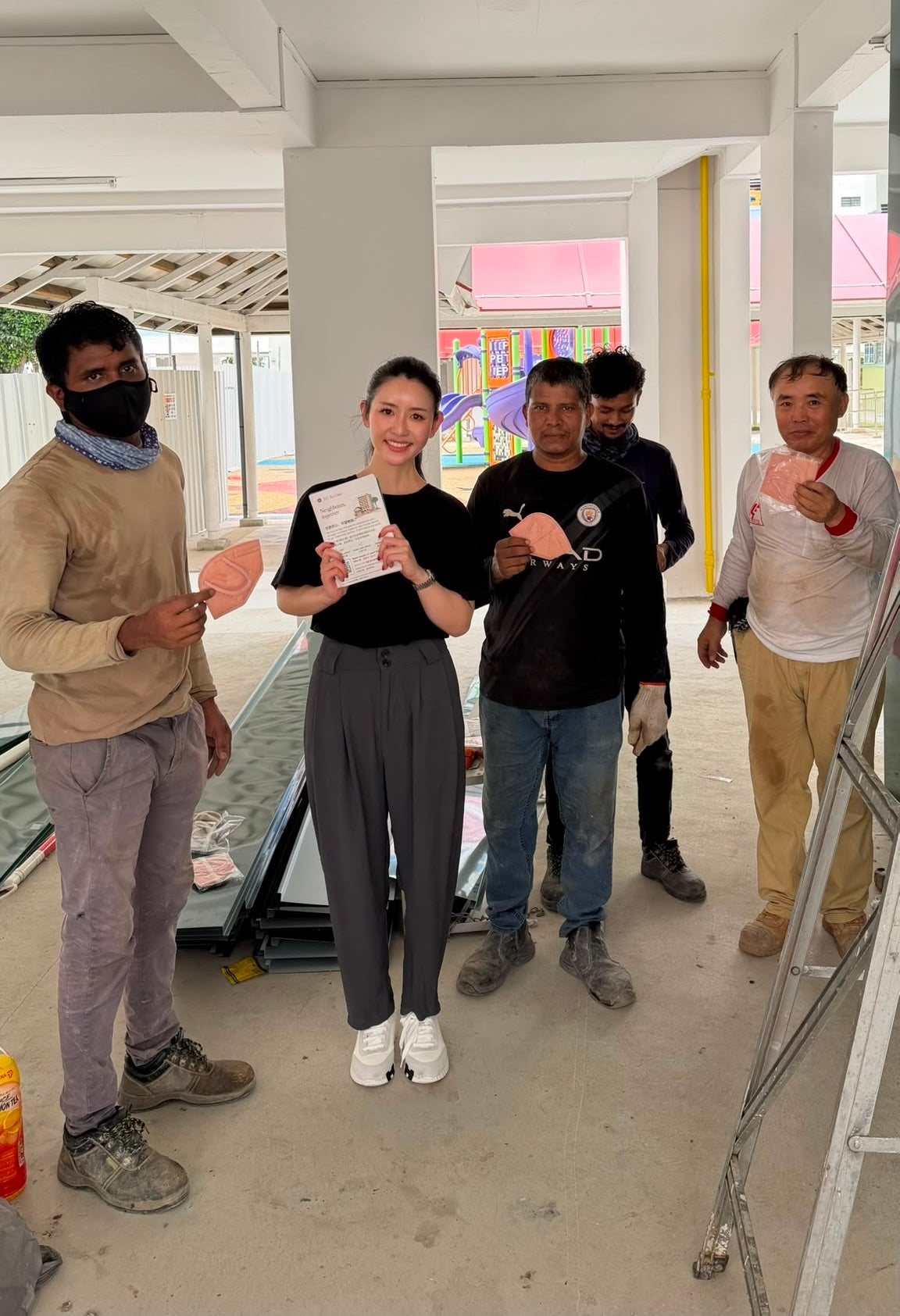
(Photo: SG As One)
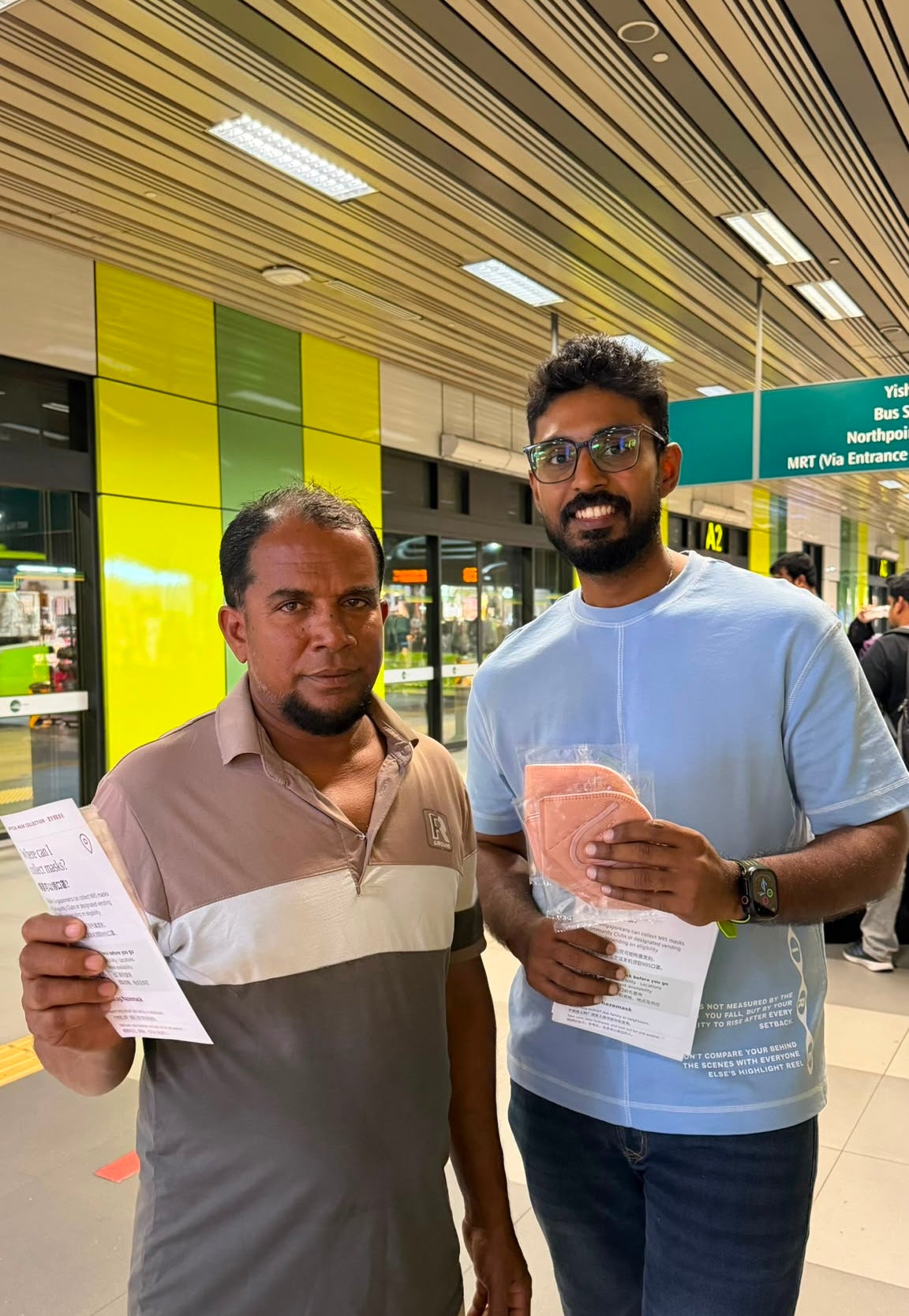
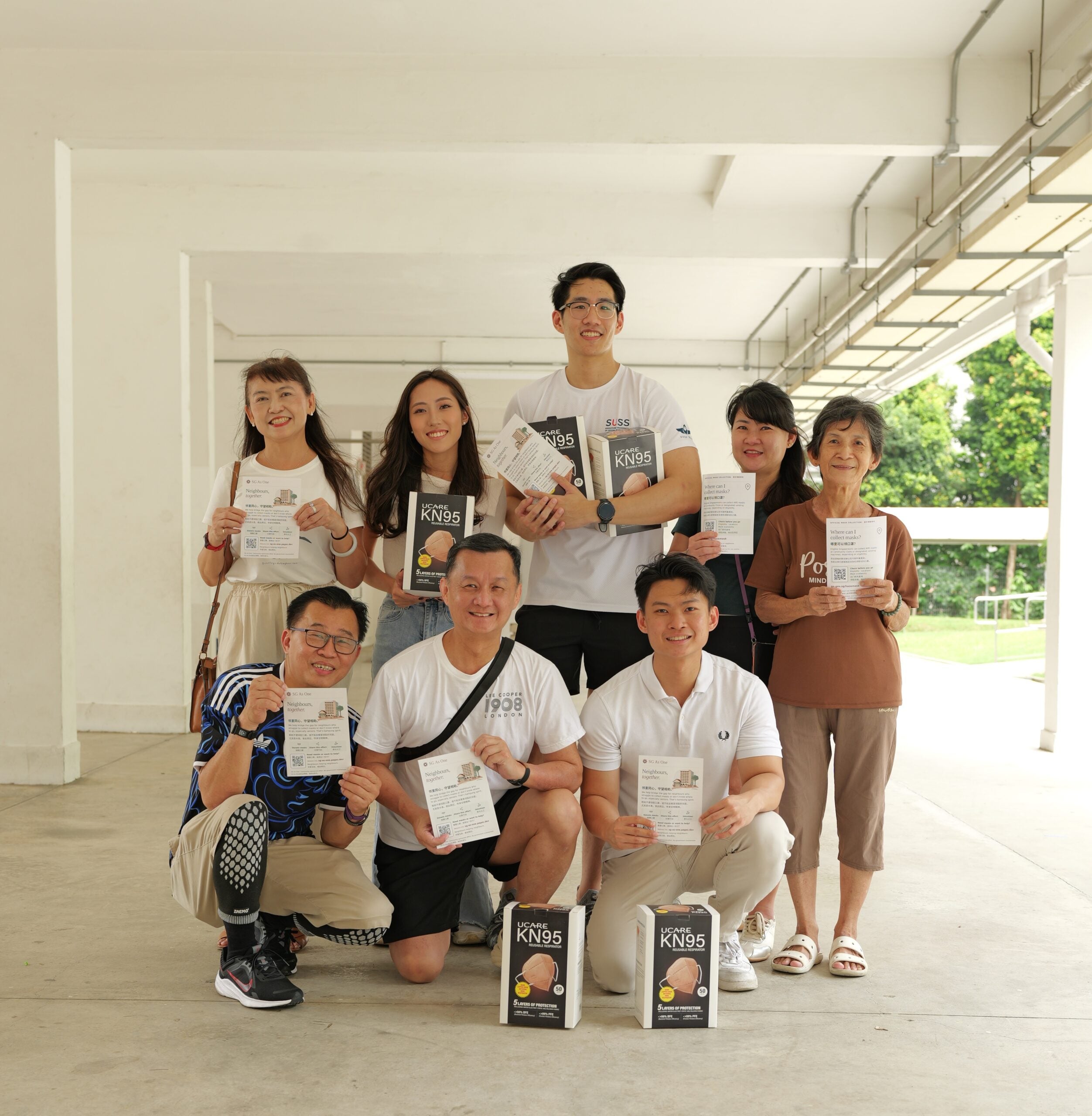
More than 500 people signed up to volunteer over the course of the initiative. Adrian estimates SG As One reached more than 8,000 people across over 1,000 households.
Working with volunteers took the most learning
“I’m used to moving very quickly when I work alone,” he says. “Working with others means making time for communication and making sure everyone understands the plan. I’m still learning to do that better instead of assuming people see what I see.”
He has been doing this alongside his final year, with help from his family and friends, including NUS Data Science and Analytics alumna Eldora Boo. When he started, he wasn’t sure anyone would sign up.
“Honestly, what surprised me most was that I could do it.”
(Photo: Singapore Government Partnerships Office)
Adrian hopes the kindness outlasts the masks
The masks cost more than he could keep paying for, and Adrian ended the distribution after 25 October. “I don’t have the funding to keep going,” he wrote in a note on the SG As One website.
He hopes to build a broader effort someday, one that connects volunteers with people who need practical help, and says he would welcome NUS students who want to explore it with him.
For anyone sitting on a similar idea, he suggests starting small. “Find a real need, speak to the people affected, and try something useful rather than wait until you have everything figured out.”