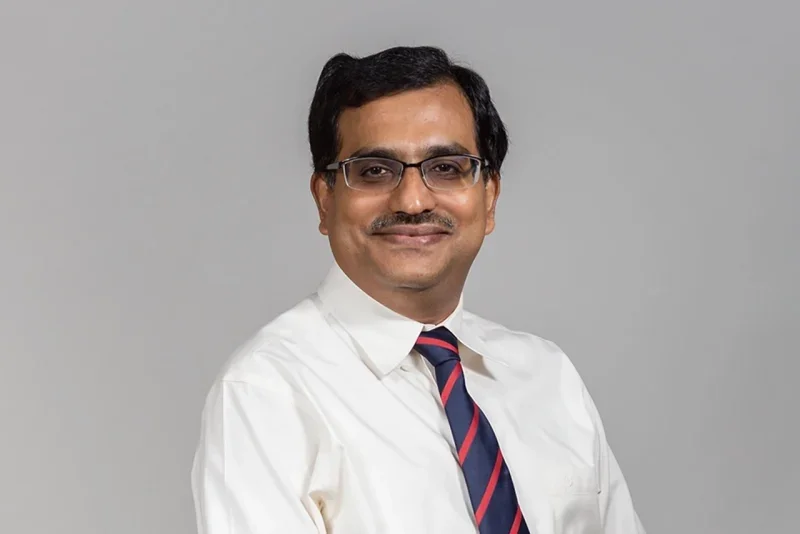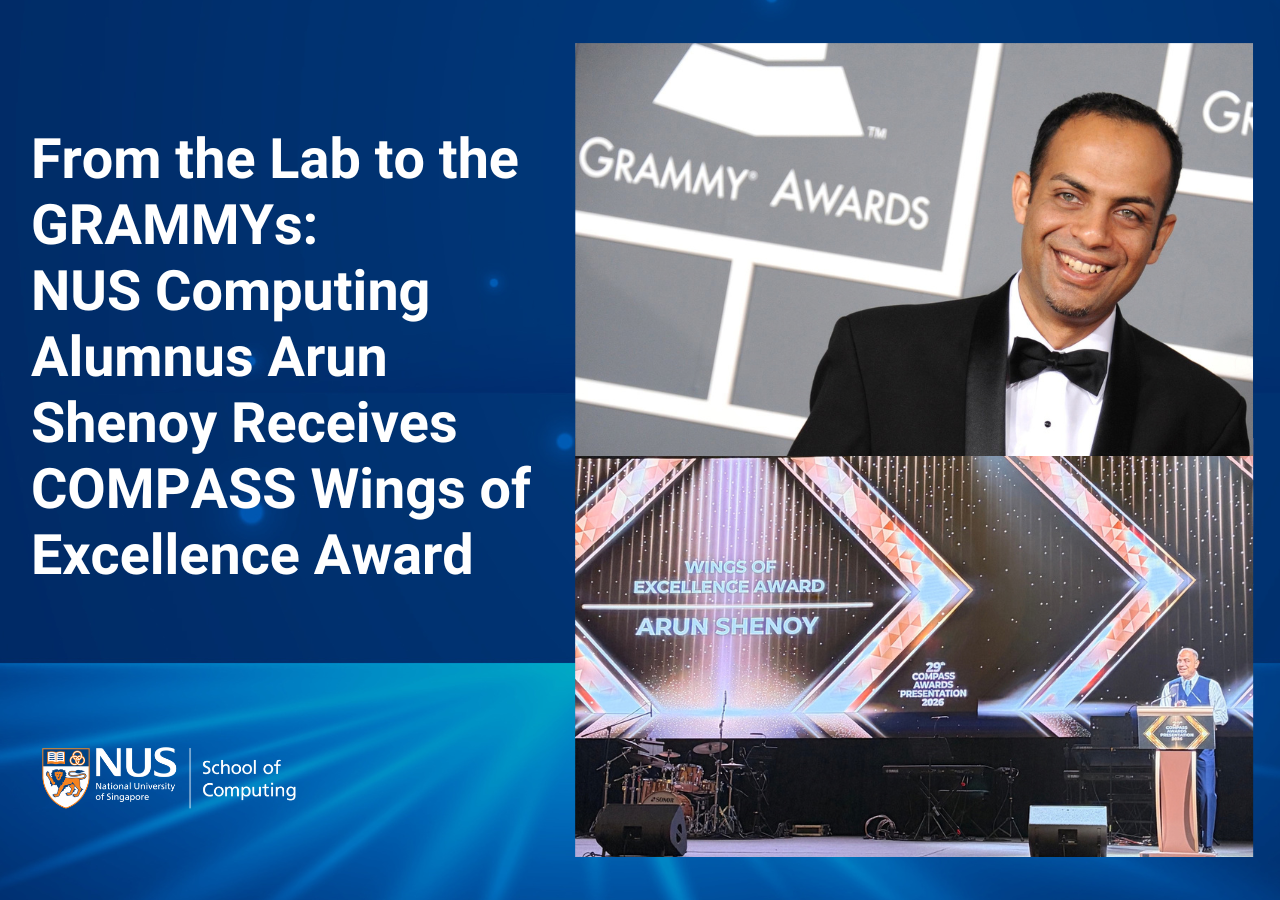
From the Lab to the GRAMMYs: NUS Computing Alumnus Arun Shenoy Receives COMPASS Wings of Excellence Award
The GRAMMY-nominated artist and NUS Computing alumnus talks about his research roots, voicing his own headphones, and what it takes to make art alongside a degree.
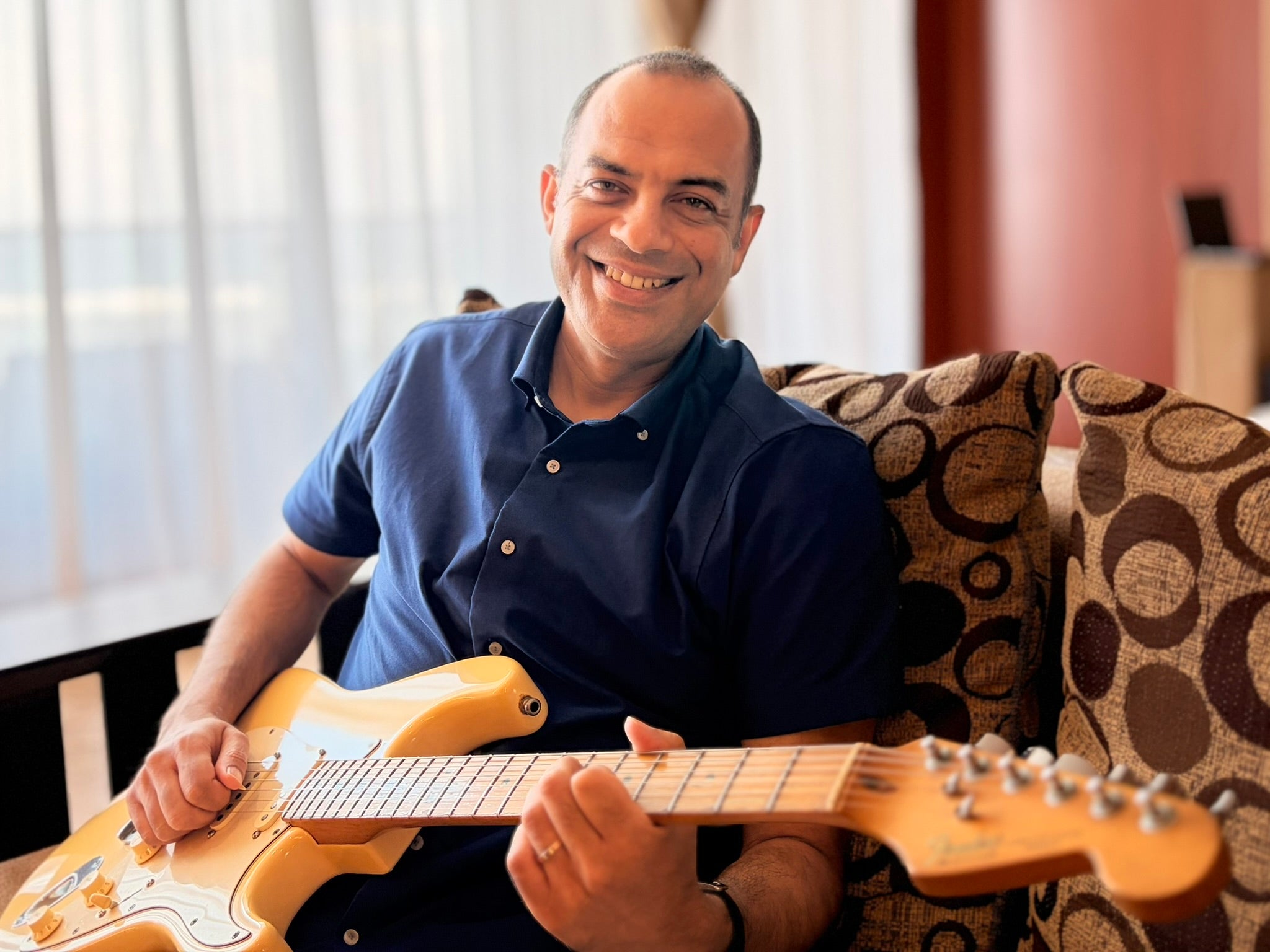
“Success looks instant from the outside, but it’s built slowly, relentlessly, over years,” Arun Shenoy says. “An overnight success is usually a decade in the making.”
He says this to NUS Computing students who have something creative running alongside their degree. His own version of that started here. He arrived in January 2003 on an NUS Research Scholarship, which covered his fees and gave him a living allowance, and finished a Master of Science by research in 2004 with a thesis on tracking key, chord and rhythm in recorded music.
Eight years later, his debut album Rumbadoodle was nominated for Best Pop Instrumental Album at the 55th Annual GRAMMY Awards.
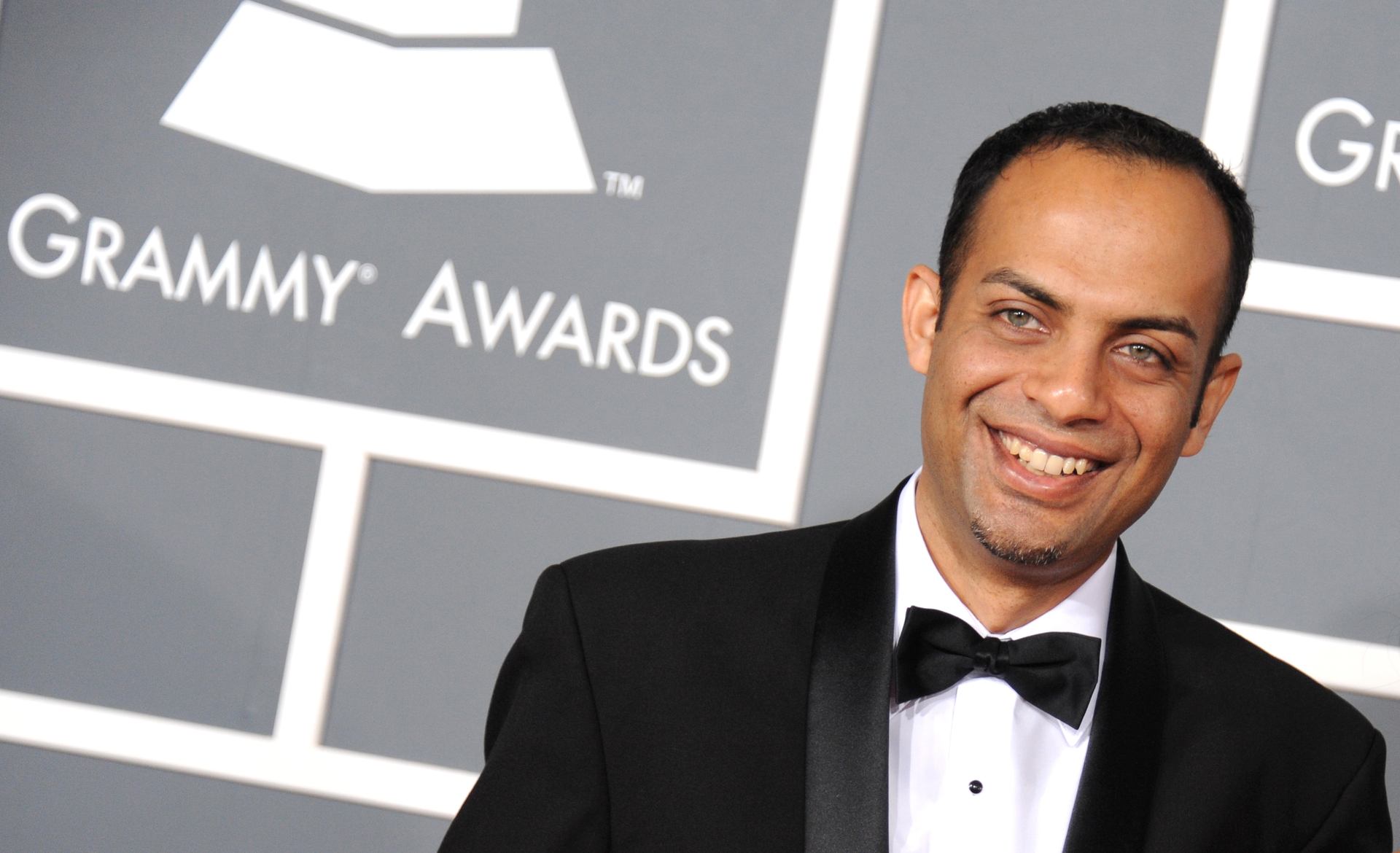
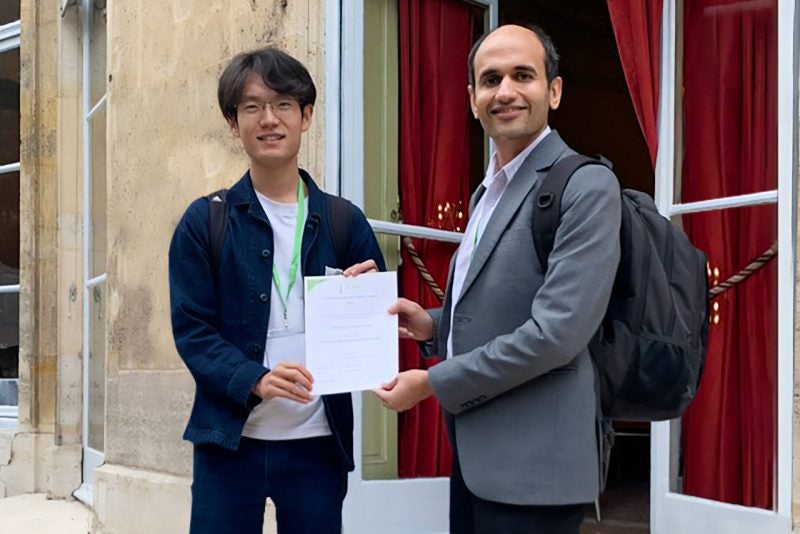
On 13 September 2026, the Composers and Authors Society of Singapore (COMPASS) presented Arun with its Wings of Excellence Award at the 29th COMPASS Awards, held at Marina Bay Sands. The award recognises Singapore music creators for their achievements internationally. Homegrown musicians Dick Lee and JJ Lin entered the society’s inaugural Hall of Fame the same night.
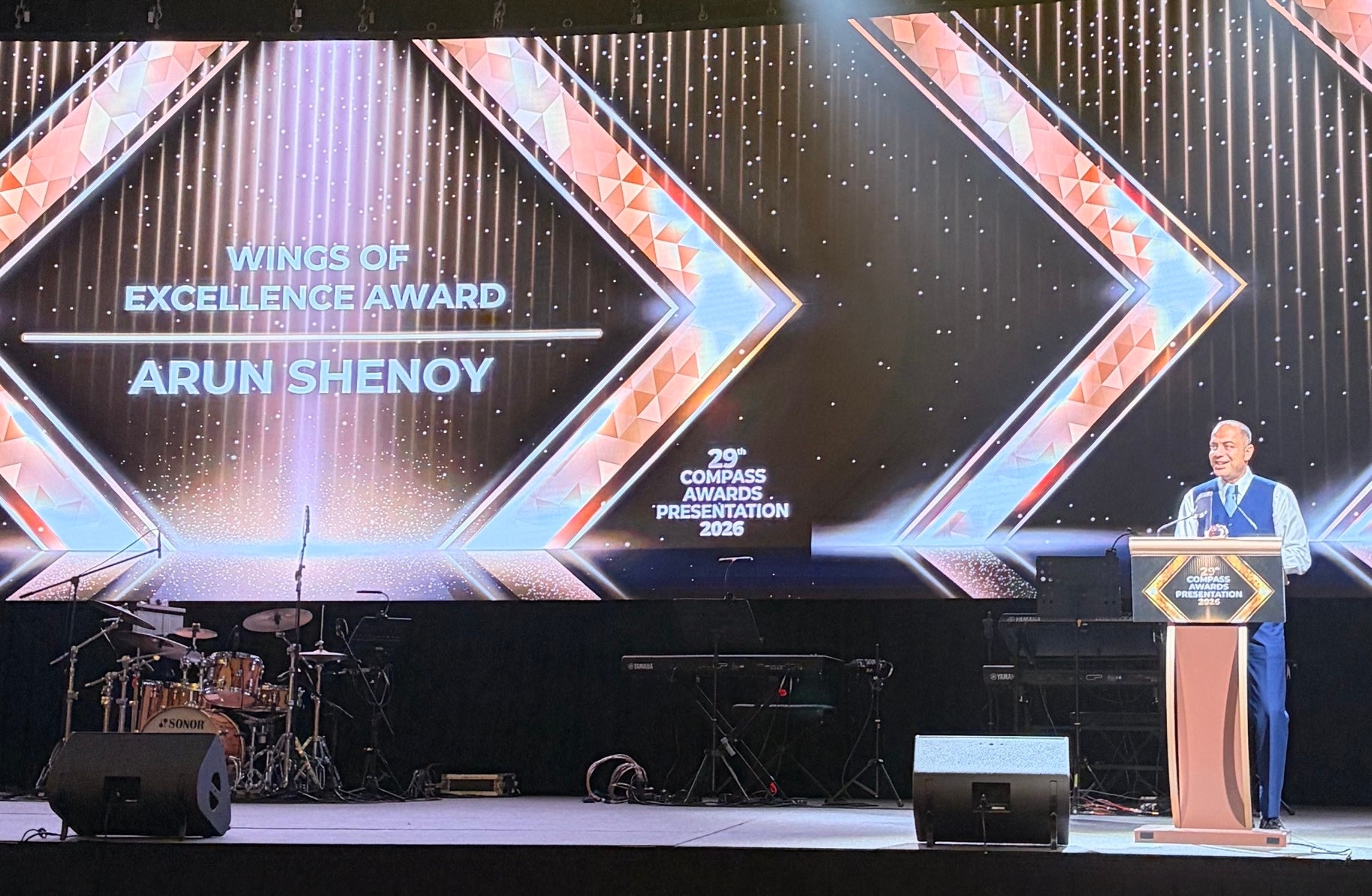
“In all honesty, it was a pleasant surprise,” Arun says. “For the past few years, I have kept a rather low profile, preferring to spend time honing my craft and putting out more music.”
What the degree gave him
“Music and math are deeply related through shared structures like rhythms, frequencies and patterns,” he says. “Understanding the science behind it really helped me hone the artistic side.”
It still shows up in his work. When the EQ filters on his signature headphones came out wrong, he reverse-engineered them: a cascade of biquads, five coefficients apiece, stored in the DSP chipset, together shaping how a listener hears every note. “Gosh. So geeky!” he says.
His supervisor was Associate Professor Wang Ye, “whom I am eternally indebted to for taking me under his wing and believing in me.” Provost’s Chair Professor Mohan Kankanhalli, Associate Professor Kan Min-Yen, Associate Professor Terence Sim, and Associate Professor Gary Tan come to mind too when he looks back.
Ask when he left research for music and he disputes the question. “I don’t think I ever really did move,” he says. He still wonders occasionally what the other path held. “I have no clue, but for sure it would have been anything but boring!”
The work since
Making the music is one part of the job. The rest is marketing, promotion, PR, and failing repeatedly.
Most of his audience is in the US, Europe, Australia and Japan, where contemporary and world jazz draw their biggest crowds. Most of his collaborators are abroad too. “I have always promoted my personal brand as a proud Singaporean on the global stage,” he says. “To receive this accolade in the place I call home truly means a lot.”
Shenoy’s catalog of original music is spread across 6 full length albums, 11 stand alone Singles, 2 EPs, and a handful of collaborations for Lo-Fi and House remixes of his work. In August came Bliss Part II, a world jazz single recorded with Ravichandra Kulur and Soul’d. Shenoy Audio makes his headphones. Shenoy Guitars carries his name on instruments, and he traces that to Leo Fender, Les Paul and Paul Reed Smith, “who all spent their lives crafting instruments that could inspire other musicians.”
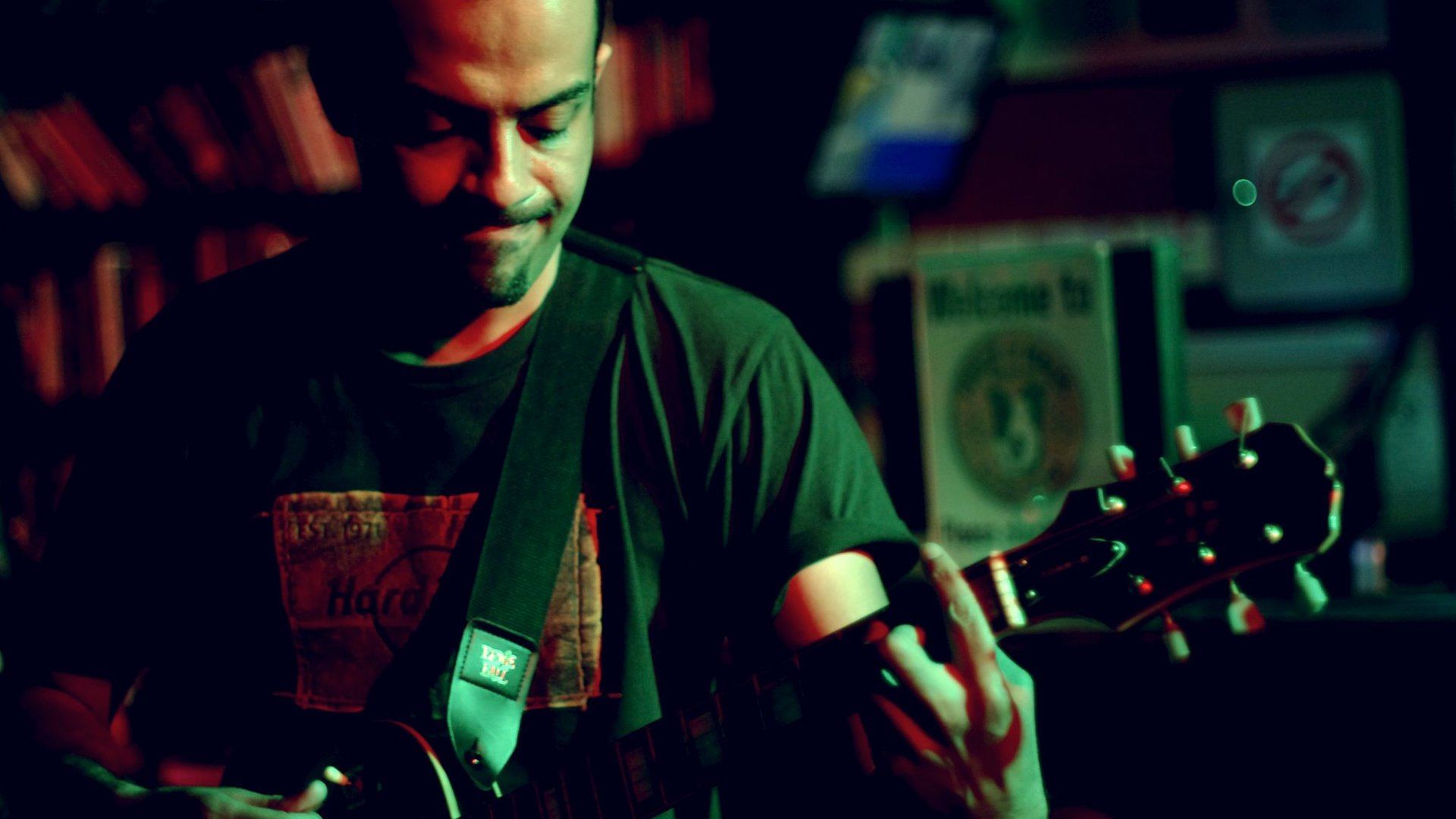
None of it involves AI. Almost everything he records is played live, again and again until it sits right. What worries him is what AI-generated music is doing to other artists on streaming platforms, where he sees human work being buried and the difference growing harder to hear.
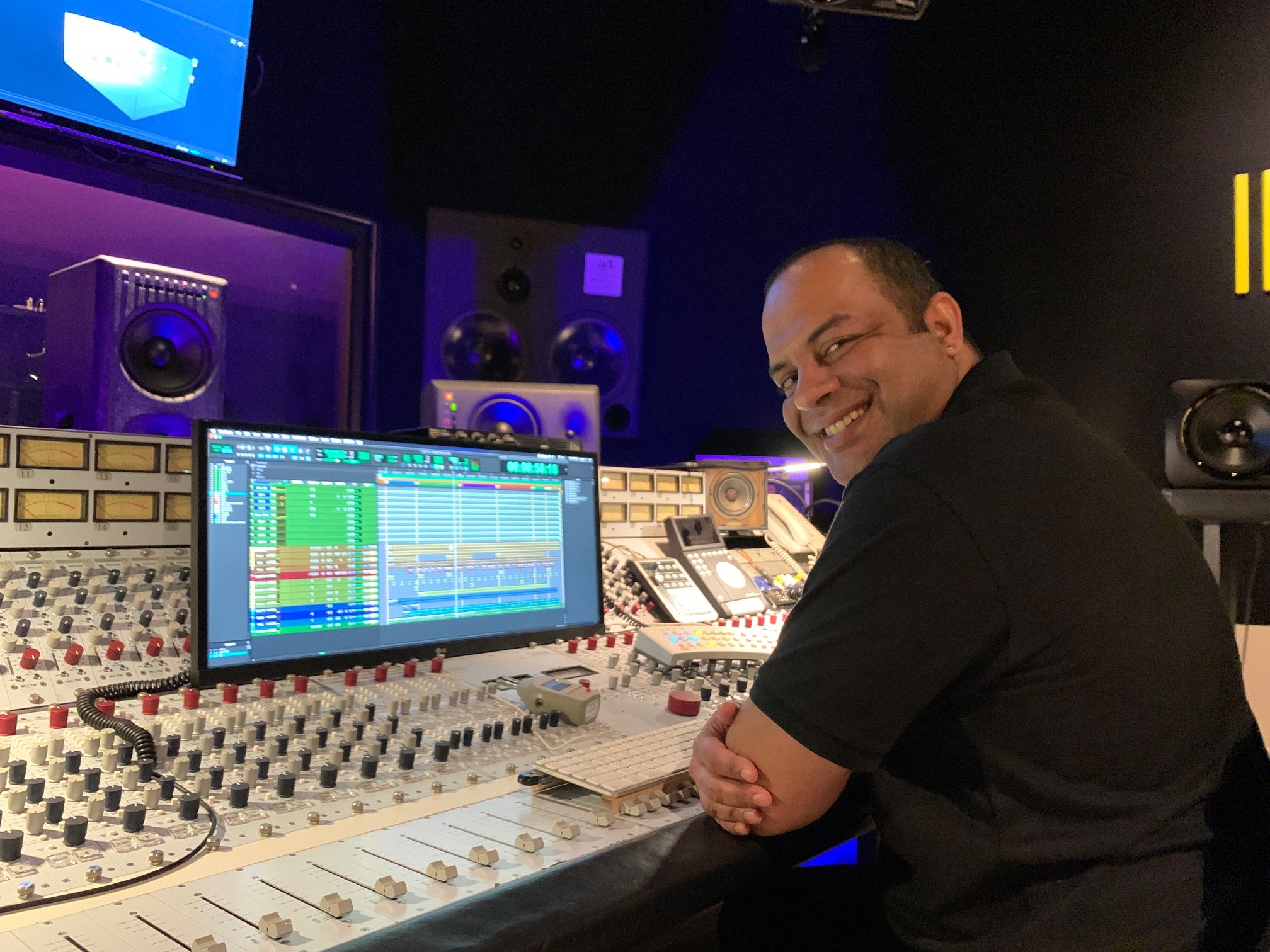
“If you decide to go for it, know that your discipline and determination can take you further than you imagine,” he says. “Every stumble is just proof that you’re moving. What matters is that you rise stronger each time and keep pushing toward the future you want.”